
Last updated November 4, 2026
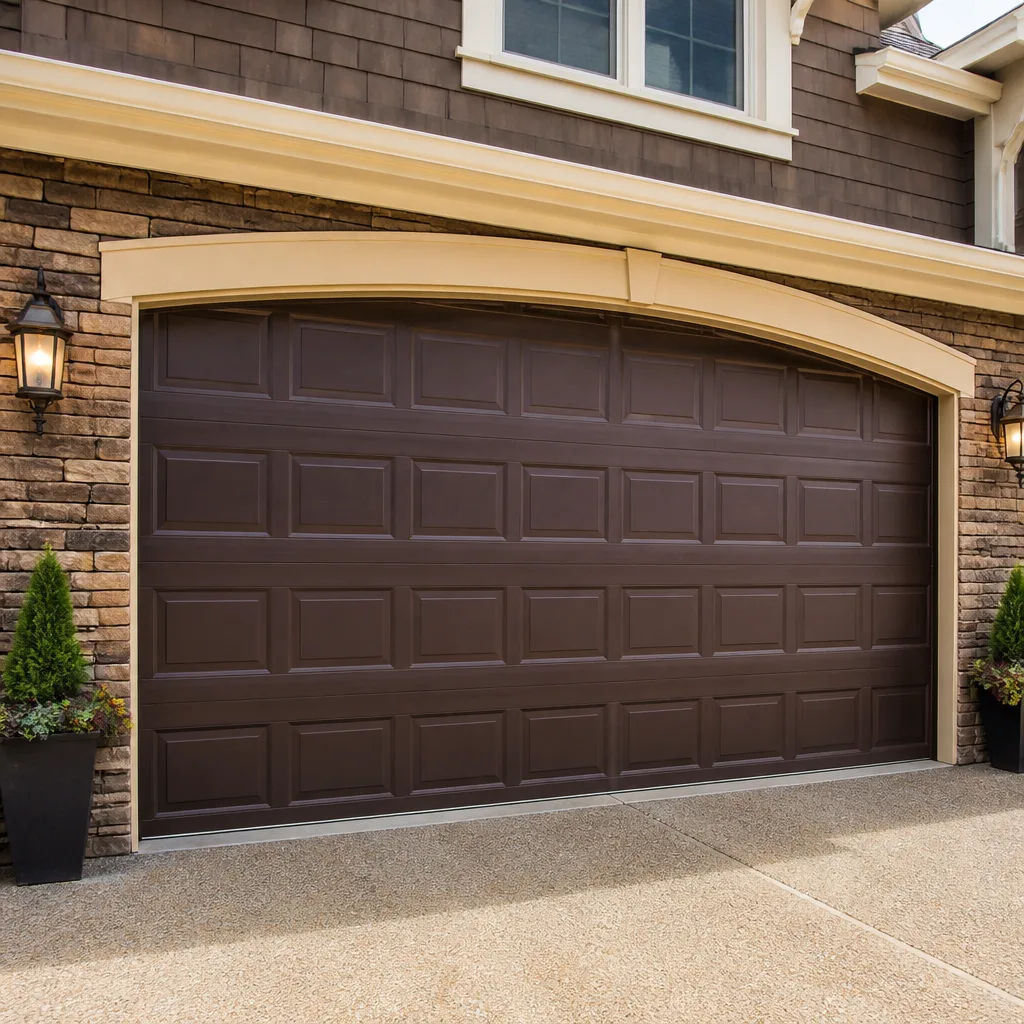 Raised-panel steel
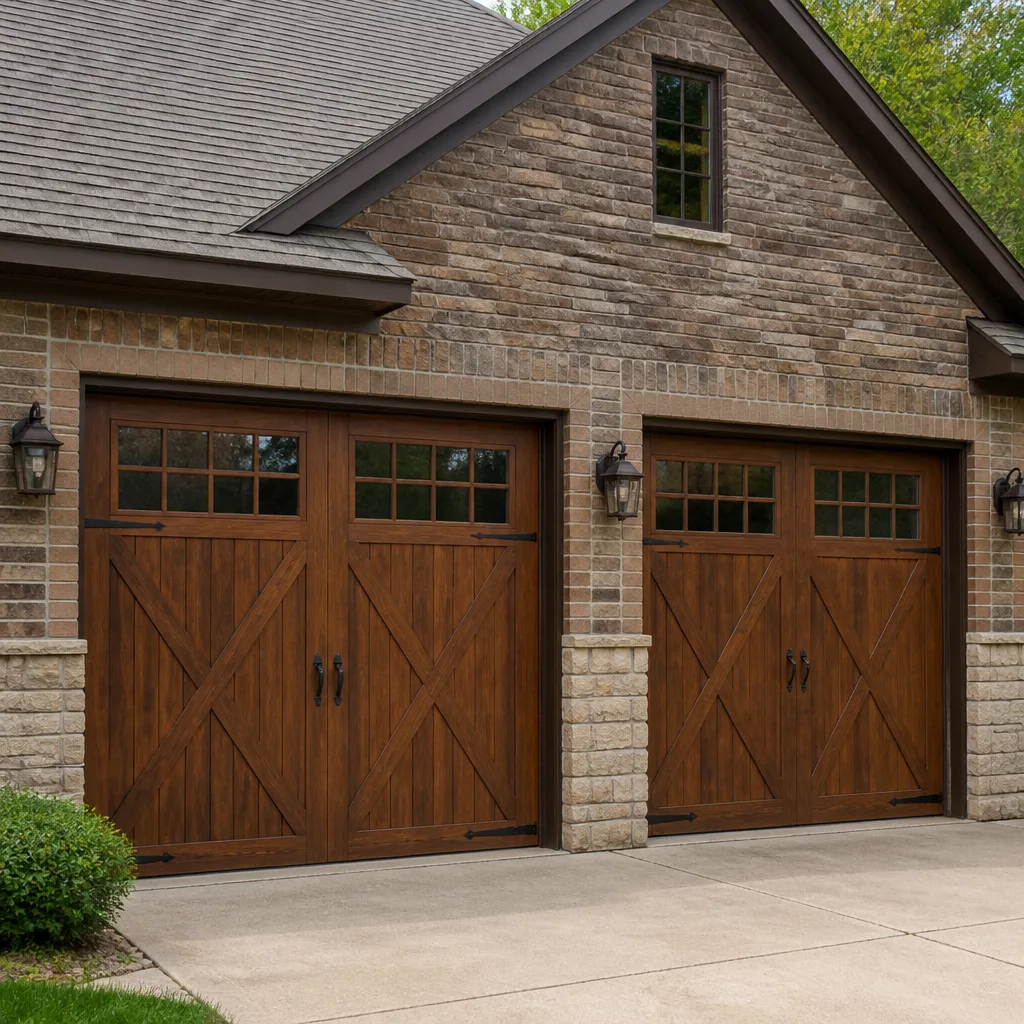 Carriage house
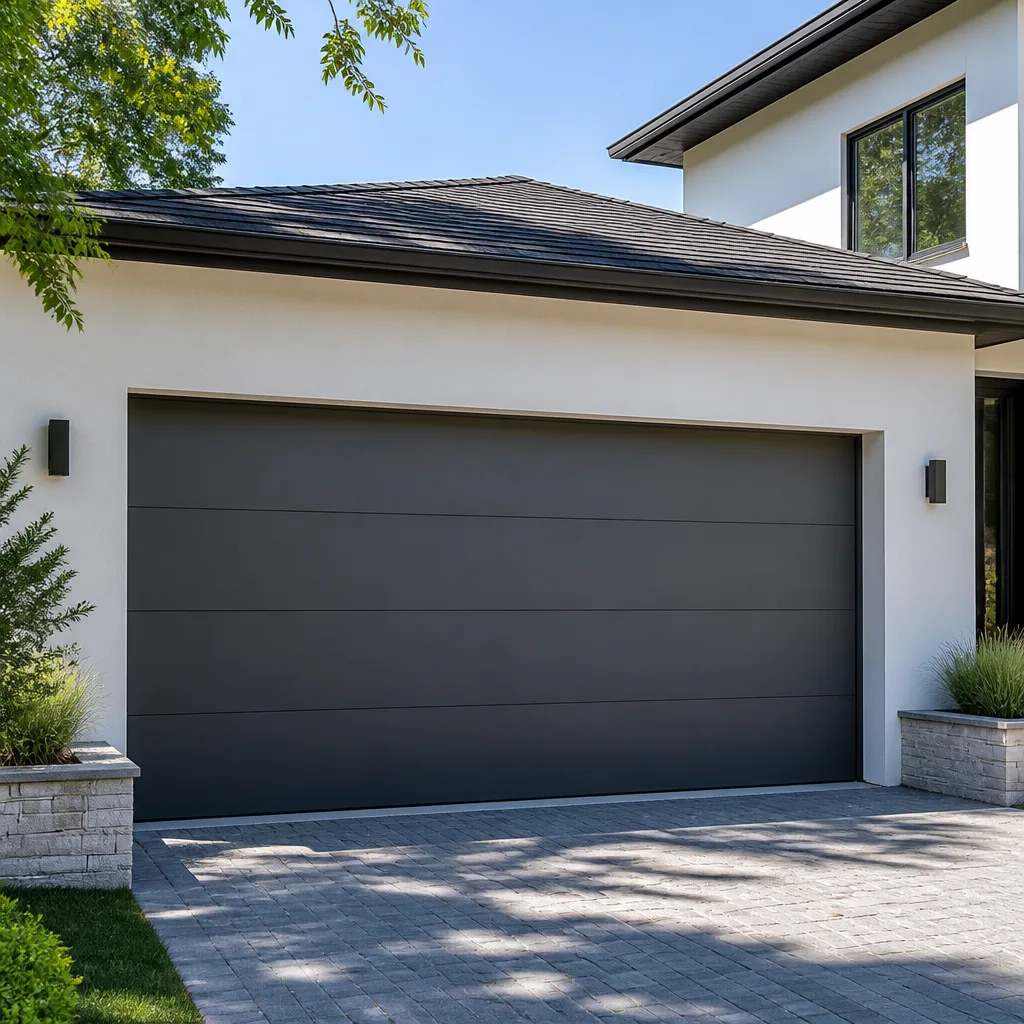 Modern flush
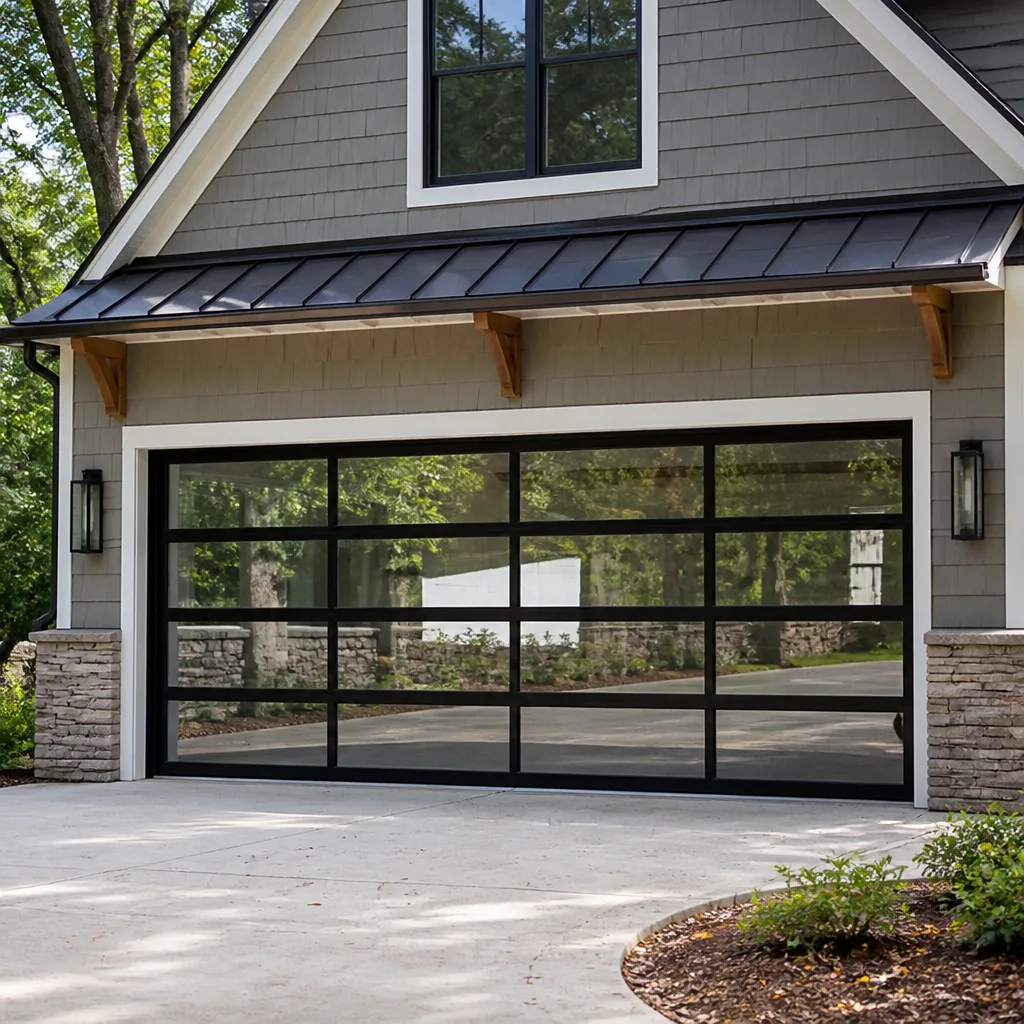 Full-view glass
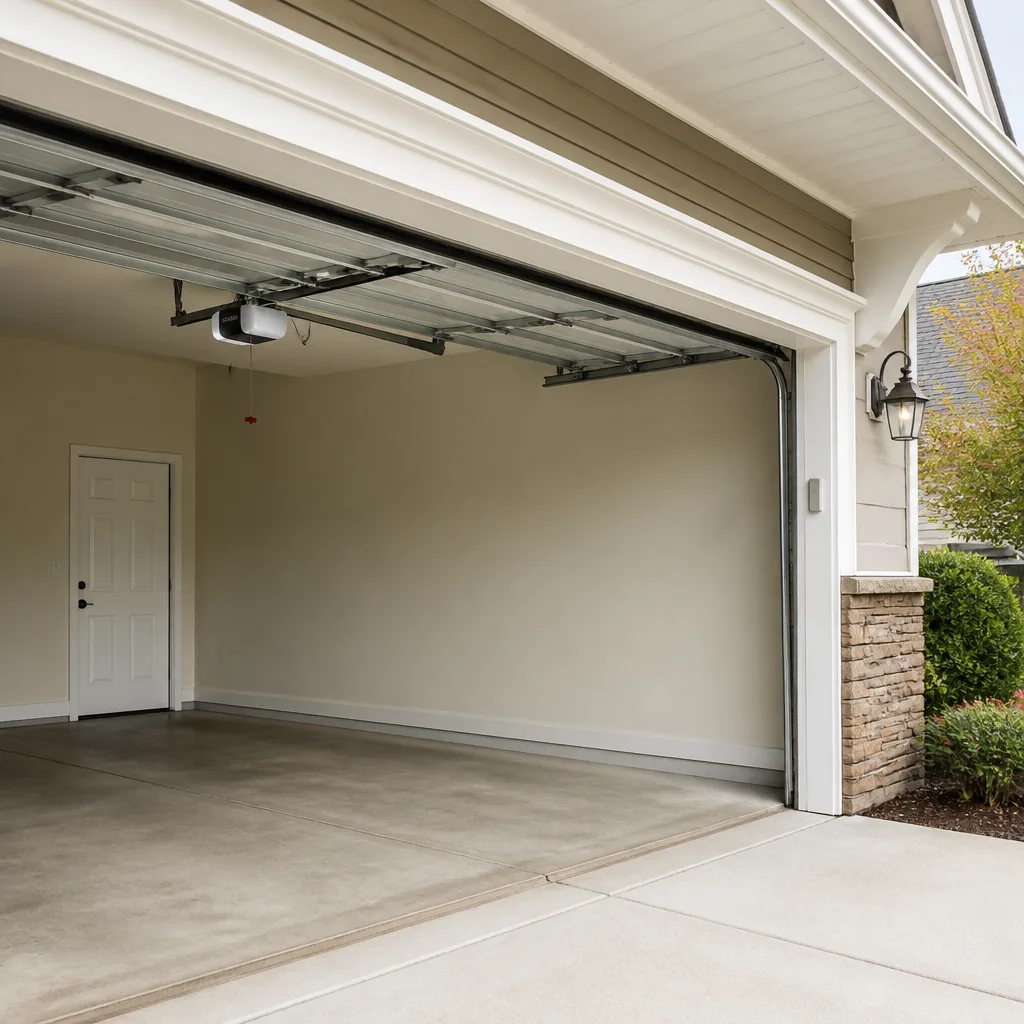 LiftMaster openers
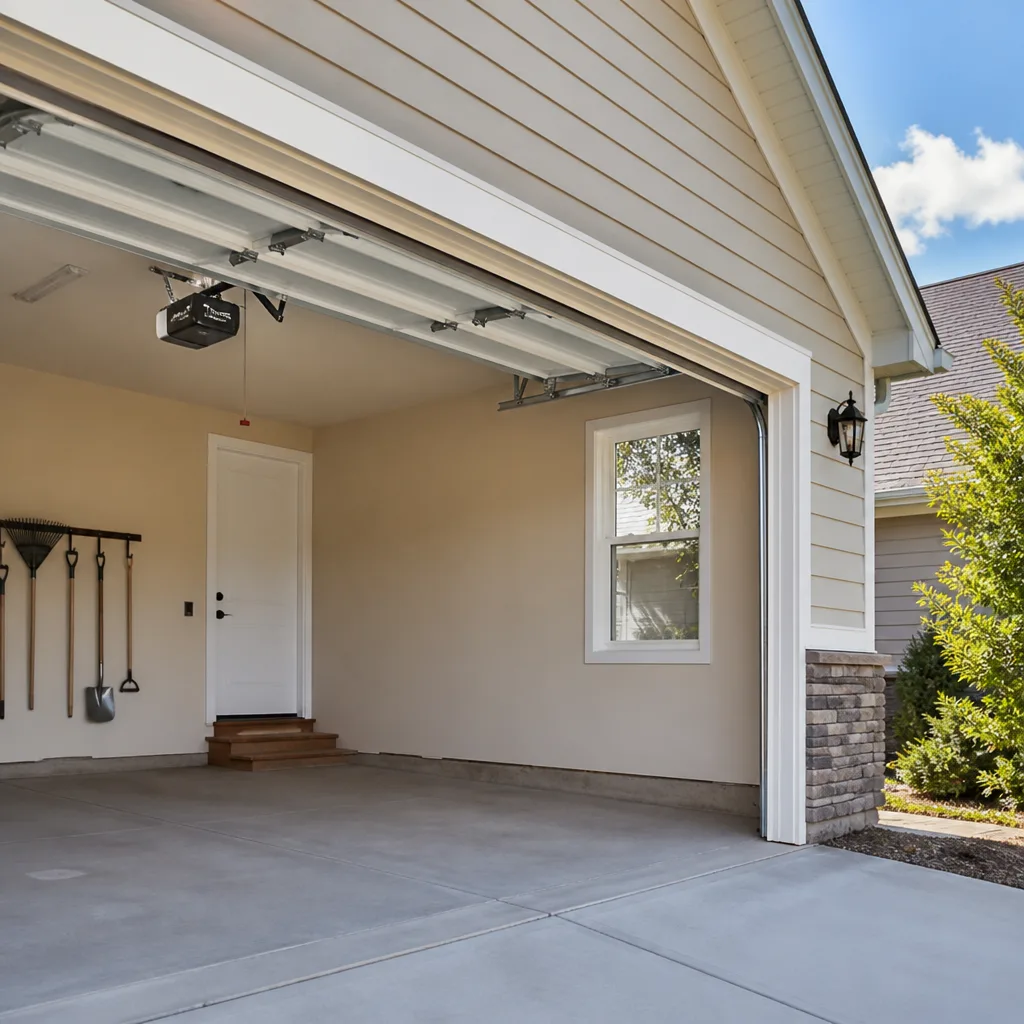 Chamberlain openers
Full 25-point door and opener safety check with every visit - springs, cables, rollers, tracks, and your LiftMaster or Chamberlain opener included
You get a price before we start. It does not change when the truck arrives.
Get your free estimateSeasonal Garage Door Care for Yorba Linda: Year-Round Homeowner’s Guide
Yorba Linda doesn’t get hard winters, so most homeowners assume their garage door skips seasonal wear. The truth runs the other direction. Our climate punishes doors through thermal cycling, UV fatigue, and Santa Ana wind stress, and it does it on a schedule you can plan around. This guide breaks down what actually happens to your door each season here, what to check, and what you can safely leave alone. If you own a home in Yorba Linda, the next fifteen minutes will save you a preventable service call.
Styles & brands we work with
- Raised-panel steel
- Carriage house
- Modern flush
- Full-view glass
- LiftMaster openers
- Chamberlain openers
Quick Answer
Seasonal garage door care in Yorba Linda means adjusting your maintenance around three local patterns: October-November temperature swings that stress torsion springs, summer heat that expands tracks and softens seals, and Santa Ana winds that torque panels and loosen hardware. A monthly visual inspection, targeted lubrication in spring and fall, and a post-wind check after any 40+ mph event covers most of what your door needs year-round.
Table of Contents
- Why Yorba Linda’s Climate Is Harder on Garage Doors Than It Looks
- Month-by-Month Maintenance Map for Yorba Linda
- Spring: Post-Rain Inspection and Lubrication
- Summer: Heat, Expansion, and Seal Failure
- Santa Ana Season: Wind Stress and Hardware Checks
- Why October-November Is the Highest-Risk Spring-Break Season
- Rainy Season Prep: Clay Soil, Slab Movement, and Bottom Seals
- Common Mistakes to Avoid
- When to Call a Professional
- Frequently Asked Questions
- The Bottom Line
Why Yorba Linda’s Climate Is Harder on Garage Doors Than It Looks
A garage door in Yorba Linda doesn’t face snow, ice, or salt spray. What it does face is a daily temperature range that works metal harder than most people realize. In October and November, it’s common to see daytime highs near 90°F and overnight lows around 55°F. That 35-degree swing happens in a single day, and it happens dozens of times each fall.
Metal expands when it heats and contracts when it cools. On a garage door, the parts that feel this most are the torsion springs above your door opening. Those springs hold tension every second of every day, even when the door isn’t moving. Add daily expansion and contraction cycles on top of that constant load, and you get metal fatigue that accumulates quietly. By late fall, springs that have been through several years of Yorba Linda seasonal swings are primed to snap when you least expect it.
UV exposure is the second quiet threat. Summer sun in this part of Orange County beats down on west-facing and south-facing garage doors for hours each afternoon. That radiation breaks down paint, fades finishes, and accelerates cracking in vinyl weatherstripping and rubber seals. None of it looks urgent. All of it shortens the service life of your door if you don’t address it seasonally.
And then there’s the wind. Santa Ana events bring sustained gusts well past 40 mph several times a year, usually between September and January. That wind pushes directly against a sectional garage door’s face, flexing panels, rattling rollers in their tracks, and loosening hinge bolts. A door that survives ten mild Santa Ana seasons may still show cumulative wear at the hinge points.
The takeaway: Yorba Linda’s climate doesn’t fail garage doors through dramatic weather events. It fails them through repetition. The same expansion cycle, the same afternoon sun, the same wind gust, over and over, until a small issue becomes the reason your door won’t open on a workday morning.
Month-by-Month Maintenance Map for Yorba Linda
Here’s a month-by-month task map built for Yorba Linda’s actual seasonal patterns. This is not a generic national checklist. It’s specific to what our climate does and when it does it.
January
- Inspect the bottom seal for gaps that opened during December rains. Clay soil movement often shows up as a visible gap under one corner.
- Test the auto-reverse safety function on your opener. This is a year-round task, but wet months bring more people and pets into the garage.
- Wipe down tracks with a dry cloth. Rain and humidity leave residue that attracts grit.
February
- Lubricate rollers, hinges, and the torsion spring. Use a garage door-specific lubricant, not WD-40, which displaces the grease you need.
- Check the opener’s drive belt or chain for slack. Temperature swings in early spring cause metal and rubber to shift.
- Listen for grinding or squealing during a full open-close cycle. Small noises now are cheaper than a service call later.
March
- Inspect weatherstripping around the top and sides of the door frame. After winter rains, this is when you’ll see cracks or peeling.
- Check door balance by disconnecting the opener and lifting the door manually. It should stay in place halfway up. If it falls or rises, the springs need attention.
- Clear drain channels along the garage floor if your home sits on the flatter, clay-heavy lots in the northern sections of Yorba Linda.
April
- Clean the door face with mild soap and water. Pollen and dust from spring winds leave a film that holds moisture against the paint.
- Inspect panel seams for hairline cracks. These start small and expand in summer heat.
- Check the opener’s safety sensors for alignment. Spring ground shift can move a sensor just enough to stop the door mid-cycle.
May
- Start the summer heat prep: inspect the bottom seal for softness. Once temperatures consistently hit 85°F plus, hard, cracked seals begin failing fast.
- Check the emergency release cord. It should pull smoothly and reset without binding.
- Test the opener’s force settings. A door that reverses too easily in May will be a problem when summer expansion tightens the tracks.
June
- Inspect track alignment. This is the month when thermal expansion starts pushing tracks slightly outward on south-facing doors.
- Check all hinge bolts and track brackets with a wrench. Do not overtighten – a quarter turn past snug is enough.
- Verify the door closes completely and the bottom seal compresses evenly along the full width. A visible gap on one side means the track is out of square.
July
- Keep an eye on the door’s color. Fading is normal, but chalky residue means the paint has lost its protective film and needs resealing or a new coat.
- Lubricate lightly mid-summer if the door squeaks. Heat accelerates lubricant breakdown.
- Check for warped panels on doors that face direct afternoon sun. A panel that bows outward is under thermal stress.
August
- This is peak heat season. Check the door’s balance again. Springs lose tension faster in sustained high temperatures.
- Inspect the rubber seal at the bottom for melting or flattening. Seals that sit against hot concrete all day deform permanently.
- Make sure the garage stays ventilated on days above 95°F. Excess heat shortens the life of opener circuit boards.
September
- Santa Ana season begins. Test that all panels are securely connected to their hinges. Loose screws let wind flex panels against each other.
- Clear any debris from the tracks. Dry leaves and twigs from early Santa Ana gusts end up exactly where they shouldn’t.
- Check the opener’s backup battery if your unit has one. Power outages during Santa Ana events are common in the hillside neighborhoods of Yorba Linda.
October
- This is the highest-risk month for spring failure. Do a careful visual inspection of both torsion springs, looking for any gap in the coils, surface rust, or deformation.
- Lubricate the springs this month even if you did it in February. The fall temperature swings are hard on spring metal.
- If your door is 7 or more years old and still on its original springs, schedule a professional inspection. The cost of prevention is a fraction of an emergency spring replacement.
November
- Continue the daily temperature-swing vigilance. Listen for any new noise on cold mornings. A spring crack often gives an audible warning before it fails completely.
- Check the bottom seal again before winter rains arrive. Any gap now means water intrusion during December storms.
- Test the opener’s force and travel limits. Colder mornings make the opener work harder, and a mis-set limit can cause the door to reverse mid-cycle.
December
- Rainy season is here. Check the seal under the door after every heavy rain – Yorba Linda’s clay soil moves, and the gap will show up somewhere.
- Keep the tracks dry if possible. A quick wipe after a wet week prevents surface rust on exposed steel.
- Review the year: if you’ve had multiple service calls, or the door is making more noise than it used to, it may be time to plan for a replacement rather than another round of patching.
This map covers the year without overwhelming your weekends. Most tasks take under ten minutes. The point is consistency: a door that gets ten minutes of attention each month doesn’t surprise you with a $400 repair bill on a Tuesday morning.
Spring: Post-Rain Inspection and Lubrication
Spring in Yorba Linda is short and mild. The main seasonal event is the tail end of the rainy season and the beginning of real heat. That makes March and April the right time for the year’s first deep inspection and lubrication cycle.
Start with the door’s balance. Disconnect the opener by pulling the emergency release cord, then lift the door manually to the halfway point. A properly balanced door should stay where you put it. If it drops more than a few inches, the springs have lost tension. If it rises on its own, the springs are over-tensioned. Both conditions force your opener motor to work harder than it should, and both are correctable by a trained technician.
Lubrication comes next. The parts that need it most are the rollers, hinges, the torsion spring, and the opener’s rail. Use a spray lubricant made for garage doors. You want something that penetrates and leaves a light film, not something that collects dust. Avoid greasing the tracks themselves – rollers don’t run on grease, and a greasy track just becomes a magnet for grit and debris.
After lubrication, run the door through a full cycle. Listen for anything that sounds like grinding, scraping, or popping. These sounds are easy to ignore when the door still works, but in our experience, they’re the first sign of a problem that will become urgent inside of three to six months.
Spring is also the right time to check the weatherstripping after winter’s rain. The bottom seal, in particular, takes a beating from wet concrete and expanding clay soil. In Yorba Linda, the soil under many homes is heavy with clay, and when it absorbs winter moisture, it swells. That swelling pushes against the slab in ways that can open a gap under your door. A seal that fit perfectly in October may show a quarter-inch gap by March. That gap is where rainwater, dust, and insects get in. It’s also a signal that the concrete has shifted, which means the track may need a slight adjustment to keep everything square.
If you find issues during the spring inspection that go beyond basic lubrication, this is the time to call a professional for garage door repair. Small spring corrections are straightforward for a trained technician, and they’re far cheaper than an emergency call when the door finally gives up.
Summer: Heat, Expansion, and Seal Failure
Summer is the season most homeowners assume is easy on a garage door, and for most parts of the country, that might be true. In Yorba Linda, summer is when thermal expansion does its quiet damage.
The physics is simple. Steel tracks and aluminum panels expand in direct sun. A south-facing door in July can reach surface temperatures well above 120°F. The metal expands. The tracks that were perfectly aligned at 7am are suddenly a few millimeters narrower at 3pm. The rollers bind. The door fights its own frame every time it opens or closes.
You’ll notice this as a door that hesitates halfway up, or one that makes a scraping sound on warm afternoons but runs fine in the morning. It’s not your imagination. It’s the metal moving.
The practical response is not to loosen the bolts and guess. Track adjustment is precise work. The tracks need to be square to the door and parallel to each other, with just enough clearance for the rollers to move without slop. Overtightening the brackets doesn’t fix the problem, and loosening them too much creates a bigger one. If you’re seeing afternoon binding, the right move is a professional track alignment, and it’s one of the most common calls we handle during Yorba Linda summers.
The other heat-related failure is the bottom seal. That rubber strip along the bottom edge of your door sits directly on concrete. In summer, the concrete radiates heat into the rubber for hours each day. Over a season or two, the rubber loses its flexibility, flattens out, and eventually cracks. Once that happens, the seal no longer makes full contact with the slab. The gap lets in dust and insects, but more importantly in Yorba Linda, it lets in the late-summer monsoon humidity that sits in the garage and accelerates rust on tools and stored items.
Check the seal on the first hot day of June and again in August. Run your hand along the bottom edge while the door is closed. If you feel daylight or air movement, the seal has failed and needs replacement. Seal replacement is a low-cost fix that prevents much more expensive water intrusion problems down the line.
Finally, summer heat is hard on opener electronics. If your garage isn’t ventilated, daytime temperatures above 100°F can push the opener’s circuit board past its rated operating range. The symptom is usually an opener that works fine in the morning but refuses to respond at 4pm, then works again after sunset. If you see that pattern, the opener’s logic board is overheating. A service call for garage door opener repair is the right step, and a technician can tell you whether the unit itself needs replacement or just better ventilation.
Santa Ana Season: Wind Stress and Hardware Checks
Santa Ana winds are the most predictable weather event in Yorba Linda, and the least appreciated by homeowners when it comes to garage doors. These winds arrive every year, usually starting in September and continuing into January, with the strongest sustained gusts typically between October and December.
The issue isn’t that a single wind event will tear your door off its hinges. It’s that repeated gusting against a large, flat surface flexes every connection point on the door. A sectional garage door has anywhere from 12 to 20 hinges connecting the panels, plus brackets at the tracks, rollers at each side, and a strut or two for reinforcement. Every one of those connections is a point where repeated flexing can loosen a bolt or stretch a fastener.
After any Santa Ana event where winds exceed 40 mph for more than a few hours, walk through this single inspection. It takes five minutes and catches the damage that becomes expensive later:
- Close the door fully and look at the panel alignment from the inside. Any panel that sits proud of the one next to it means a hinge has started to loosen.
- Run your hand along the inside face of each panel. You’re feeling for raised fasteners or gaps at the hinge points. Loose screws will back out slowly over the season.
- Check the horizontal track where the rollers sit. A track that’s loose from its bracket will show a visible gap at the bracket mounting point.
- Test the door manually halfway up. If it feels heavier on one side than the other, a roller may have jumped partially out of the track.
- Listen to the door during its next full cycle. A clicking or rattling sound during wind season almost always means hardware is loose somewhere.
The fix for most of these issues is straightforward: tighten the fasteners, re-seat the roller, square the track. But do not try to tighten every bolt you see without knowing which ones need it. Garage door hardware is balanced. Overtightening one side can throw the whole door out of square and make the problem worse. If the wind has done visible damage, a professional inspection is the safer call.
One more note on Santa Ana season: these winds carry fine dust and debris that coats everything in the garage, including the door’s moving parts. That grit works into roller bearings and hinge pins, accelerating wear. A quick wipe-down of exposed metal parts after a heavy wind week goes a long way toward preserving the hardware.
Why October-November Is the Highest-Risk Spring-Break Season
Ask any garage door technician in Yorba Linda what time of year they replace the most torsion springs, and they’ll tell you the same thing: late October through early November. It’s not a coincidence.
The reason goes back to thermal cycling. Torsion springs are thick coils of hardened steel that hold enormous tension. They’re rated for a certain number of cycles – typically 10,000 for standard springs – but that rating assumes normal operating conditions. The daily expansion and contraction from Yorba Linda’s fall temperature swings puts stress on the spring beyond what the cycle rating accounts for.
In October, we routinely see daytime highs in the upper 80s and overnight lows in the mid-50s. That’s a 30-degree swing every single day. The spring expands in the afternoon heat and contracts overnight. The process is microscopic, measured in fractions of a millimeter, but it happens at the molecular level where the steel’s fatigue life is determined. After enough years of those daily cycles, the spring reaches its fatigue limit. When it gives, it does so suddenly and usually while the door is in motion, because that’s when the stress is highest.
What makes this season particularly dangerous is that the warning signs are easy to miss. A spring doesn’t send you a text before it snaps. The visual signs – a gap in the coils, surface rust, slight deformation – are subtle and require a trained eye or a careful homeowner to spot. By the time the spring actually fails, the door won’t open, and you’re calling for emergency service on a morning when you need to leave for work.
Here’s what to look for during October’s monthly inspection:
- Any visible gap between the coils of the spring, especially near the center or the winding cone
- Rust spots or pitting on the spring surface, which indicate the protective coating has worn through
- A spring that looks slightly stretched or elongated compared to what you remember
- Any grease or oil leaking from the spring’s center bearing
- A door that feels heavier than it did a month ago when you lift it manually
If your door is more than 7 years old and still running on its original springs, October is the right time to have them inspected. A spring inspection costs far less than a replacement, and a replacement scheduled at your convenience is less expensive than an emergency call. The tradeoff isn’t close.
Rainy Season Prep: Clay Soil, Slab Movement, and Bottom Seals
Yorba Linda’s rainy season runs roughly December through March, and while the annual rainfall total is modest by national standards, the way our soil handles that rain creates a specific problem for garage doors.
Much of Yorba Linda sits on clay-heavy soil. Clay behaves differently from sandy or loamy soil when it gets wet. It expands. When it dries out, it contracts. Over the course of a rainy season, the soil under and around your garage slab goes through multiple expansion and contraction cycles, and those cycles apply uneven pressure to the concrete above.
The practical result is that garage slabs in Yorba Linda move slightly. A slab that was perfectly level in October can be out of level by an eighth of an inch in February. That’s not enough to crack your foundation, but it is enough to break the seal between the bottom of your garage door and the slab. When that seal breaks, you get a visible gap under one corner of the door. Rainwater runs under it. Leaves, insects, and dust come in with it. The garage stops being weather-tight.
Preparing for this season starts before the rain does. In November, check the bottom seal for full contact along its entire length. Run your hand under the closed door and feel for any gap, no matter how small. If you find one, replace the seal before the first storm. A new seal costs less than the water damage that comes from ignoring it.
Once the rain starts, check the seal again after every significant storm. The soil moves gradually, so a gap that appears in January may not have existed in December. If the gap appears mid-season, the right fix is usually a combination of re-leveling the door and adjusting the tracks, not just slapping a thicker seal under the door. A door that’s properly adjusted will maintain seal contact even as the slab moves fractionally.
If your garage door has been in service for more than a decade and the slab movement is visible to the naked eye – you can see daylight under the door, or the floor slants noticeably toward one side – the issue may go beyond the door itself. In those cases, a professional evaluation is the right first step, and Sierra Garage Door Service can assess whether the door can be adjusted to work with the existing slab or whether a different approach is needed.
Common Mistakes to Avoid
- Oiling the tracks. Tracks should stay dry. Grease or oil on a track collects dust and debris, which then grinds against the rollers. The only parts that need lubrication are the rollers, hinges, springs, and opener rail.
- Ignoring a noisy door because it still opens. A door that’s gotten louder is telling you something. The longer you wait, the more expensive the fix becomes. Address new noises within a few weeks, not a few months.
- Skipping the fall spring inspection. October and November are the highest-risk months for spring failure in Yorba Linda. A ten-minute visual check each October catches problems before they strand you.
- Replacing only one spring when a pair fails. Torsion springs wear at roughly the same rate. When one breaks, the other is close behind. Replacing the pair costs more up front but saves you a second service call inside of a year.
- Assuming a bottom-seal gap is “just the way the house settled.” A visible gap under your door is not normal, even in clay soil. It means the seal has failed or the door is out of square, and both are fixable.
- Tightening track bolts without checking alignment first. Overtightening a misaligned track locks the misalignment into place. The door runs worse, and the next repair costs more because the track now needs to be re-aligned from scratch.
- Putting off opener maintenance until it fails on a weekday morning. Opener problems are the most common failure point in a garage door system, and they rarely fail at a convenient time. If your opener is making unusual sounds, running more slowly, or stopping mid-cycle, that’s your invitation to address it now rather than later.
When to Call a Professional
Some garage door work is safe for a homeowner. Lubrication, cleaning, visual inspections, and tightening an obviously loose hinge bolt all fall into that category. Other work is not, and knowing the line matters.
Any job involving torsion springs requires a trained professional. These springs hold hundreds of pounds of tension, and when they release unexpectedly, they can cause serious injury. If your door is heavy to lift, if the spring looks stretched or rusted, or if the door won’t stay in place halfway up, do not attempt a repair yourself. Call a technician.
Track realignment is another job that seems simpler than it is. The tracks have to be square to the door and parallel to each other, and the adjustment has to account for the door’s full travel. A track that’s off by a fraction of an inch shows up as a door that scrapes, binds, or reverses mid-cycle. It’s precise work, and the tools and experience matter.
Opener issues, especially electrical or logic board problems, are also professional territory. We work on openers from LiftMaster, Chamberlain, Genie, and other major brands, and the diagnosis usually requires specific testing equipment. A guess-and-replace approach costs more than calling us first.
Sierra Garage Door Service offers free estimates in Yorba Linda. Call (866) 282-5613 and tell us what your door is doing. We’ll give you a straight diagnosis, no pressure, and a written price before any work starts. Your door, your brand, our expertise.
Frequently Asked Questions
Twice a year: once in February and once in October. The fall application is the more important one because the temperature swings of October and November are the hardest on your springs. Use a garage door-specific lubricant on the rollers, hinges, springs, and opener rail.
Yes, but not in a single dramatic event. Repeated gusts above 40 mph flex the panels and loosen hardware at the hinge points. After every significant Santa Ana event, check your door for loose screws, shifted panels, and new rattles. Tightening a few bolts now prevents more costly damage later.
October and November are the highest-risk months for spring failure in Yorba Linda because of the daily temperature swings. The spring expands in afternoon heat and contracts overnight, and after enough of those cycles, the metal reaches its fatigue limit. If your door is on its original springs and more than 7 years old, an October inspection is a wise investment.
Close your door and run your hand along the bottom edge from inside the garage. If you feel daylight, air movement, or a visible gap, the seal is no longer making full contact with the slab. This is common in Yorba Linda’s clay soil, which expands and contracts through the rainy season and opens gaps under the door.
A door that scrapes in the afternoon but runs fine in the morning is suffering from thermal expansion in the tracks. The fix is a precise track realignment, not loosening the bolts and hoping. This is a job for a professional, and it’s one of the most common summer service calls we handle in Yorba Linda.
We work on LiftMaster, Chamberlain, Genie, and other major opener brands. Our technicians handle whatever is already installed in your garage, not just a preferred line. If your opener is acting up, call us at (866) 282-5613 and describe the symptoms. We’ll tell you what’s likely wrong and what it will cost to fix.
The Bottom Line
Seasonal garage door care in Yorba Linda is about understanding what your climate actually does. It’s not snow or ice that fails your door. It’s daily temperature swings, UV exposure, Santa Ana wind stress, and clay soil movement. Each of these forces has a season, and each season has a small set of maintenance tasks that keep the door working properly.
Consistency beats intensity. Ten minutes a month, a fall spring inspection, a post-wind check after every Santa Ana event, and a rainy-season eye on the bottom seal covers nearly all of what a Yorba Linda homeowner needs. When something goes beyond your comfort level, call a professional. The best time to fix a garage door is before it fails, not after. Call (866) 282-5613 for a free estimate. We answer 24/7. Fast dispatch from 7am to 7pm, Sunday through Friday.
Written by the team at Sierra Garage Door Service, serving Yorba Linda since 2014.
See the difference
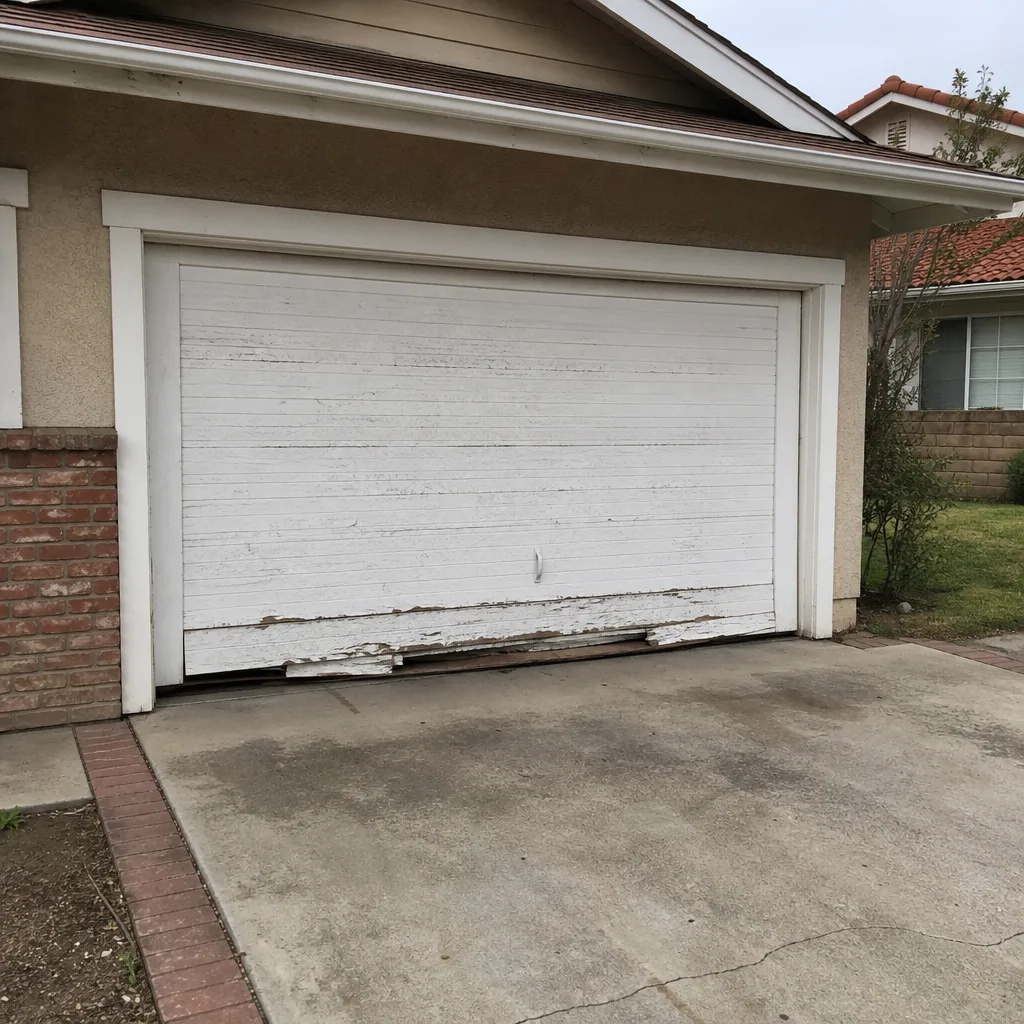 Before
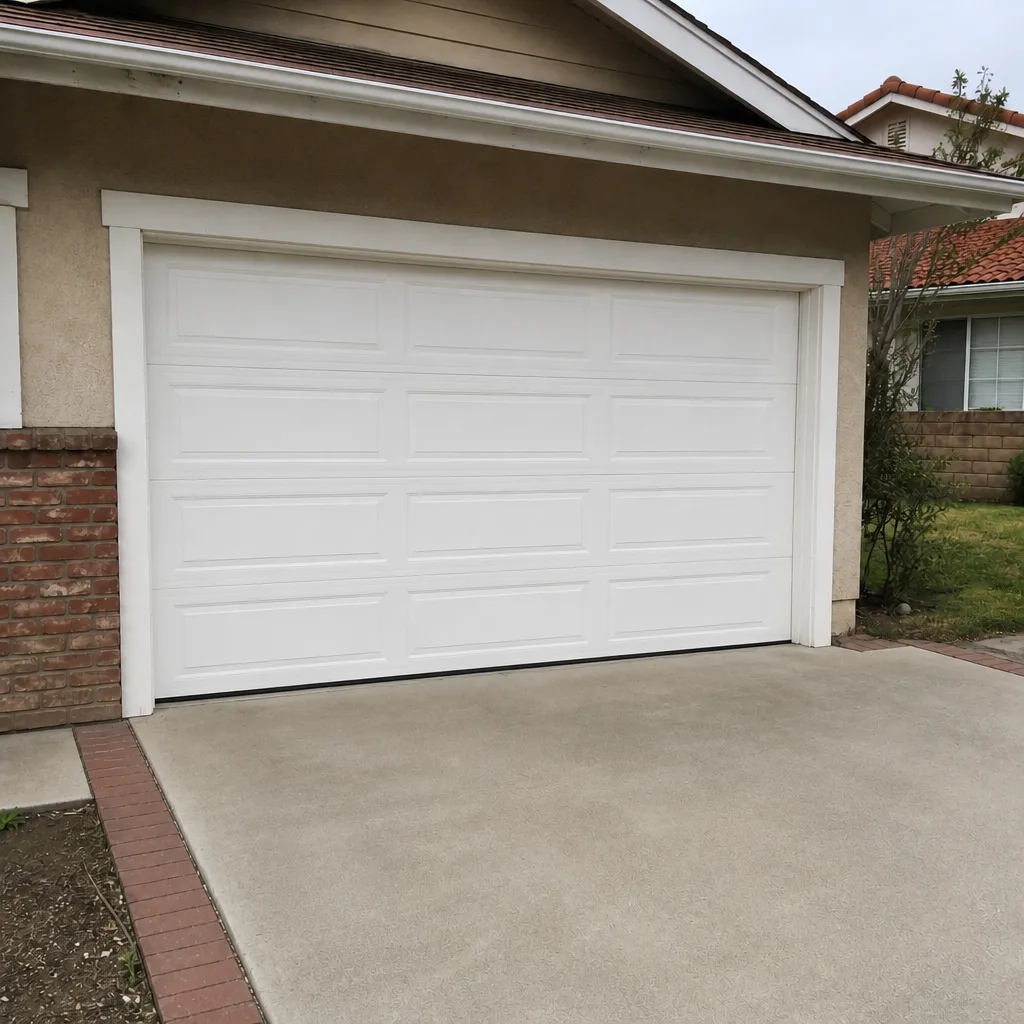 After
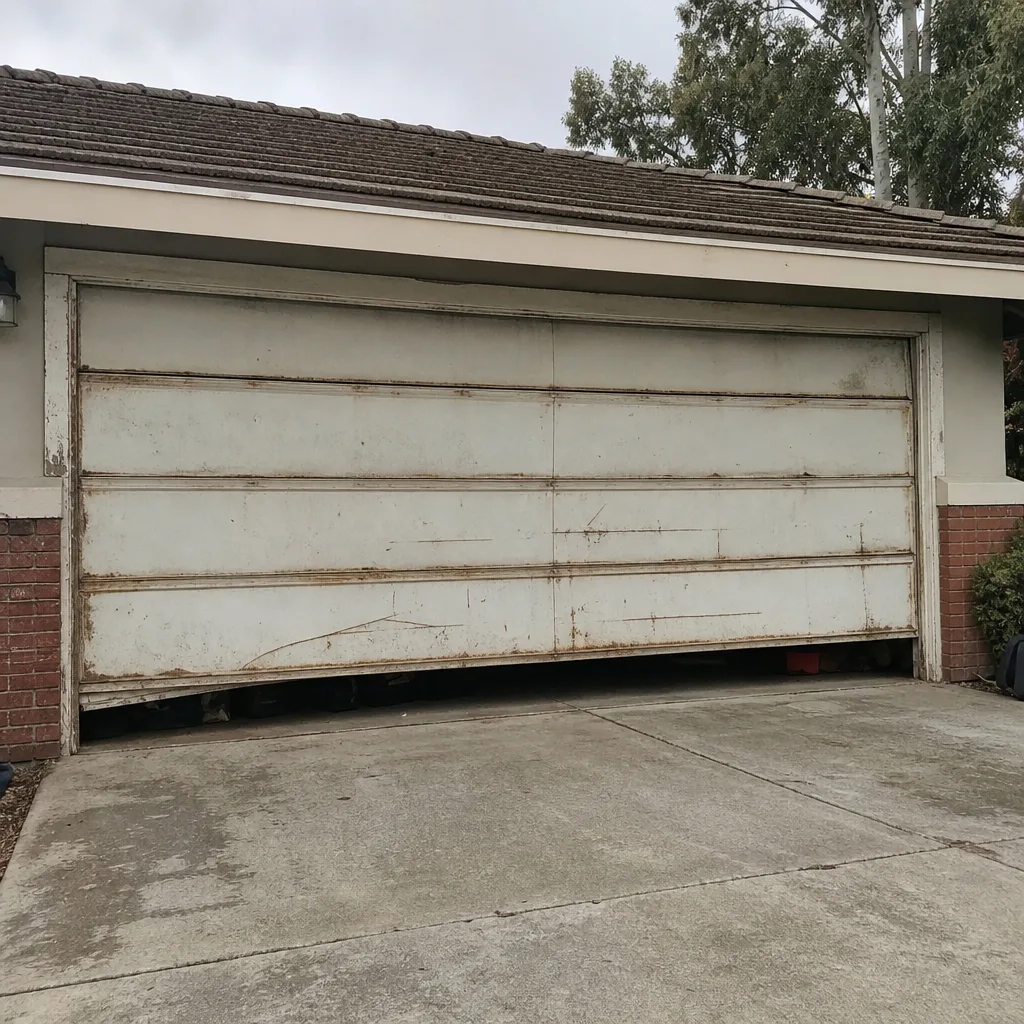 Before
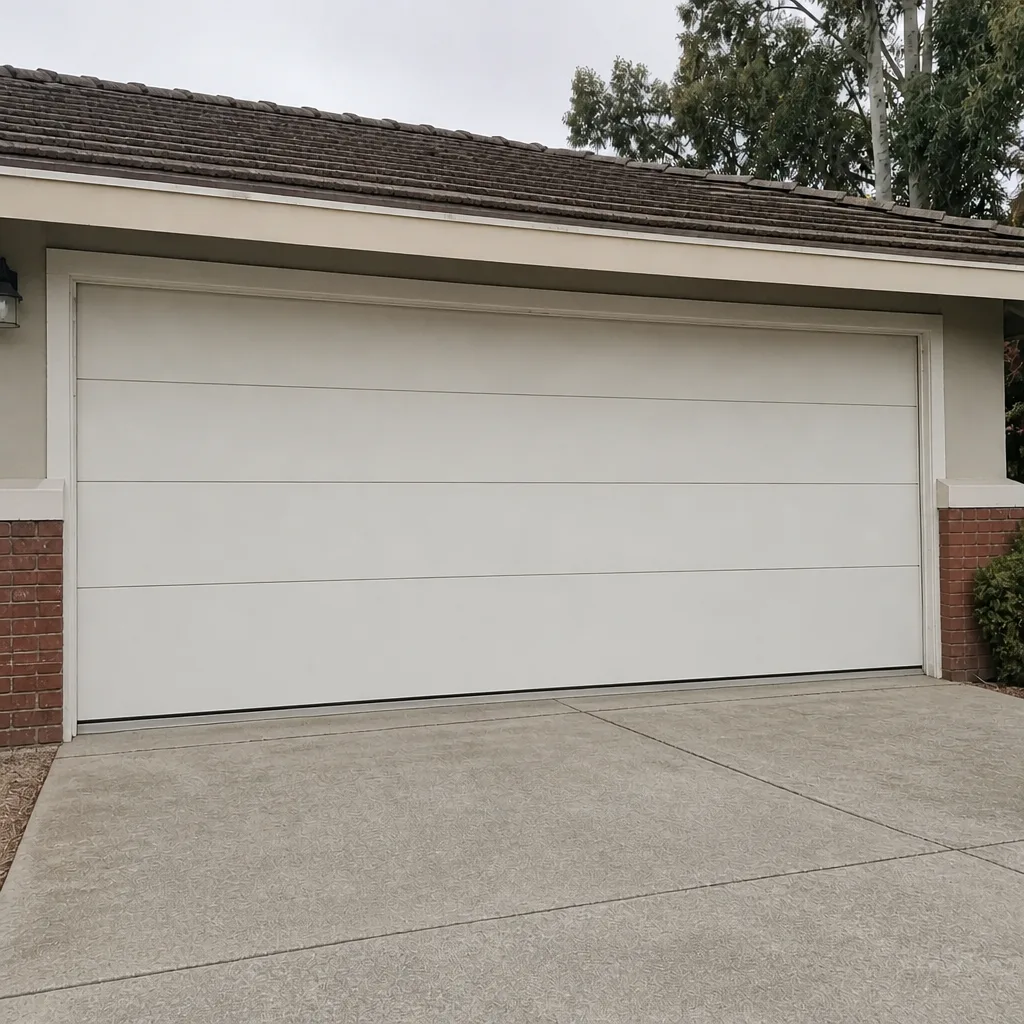 After
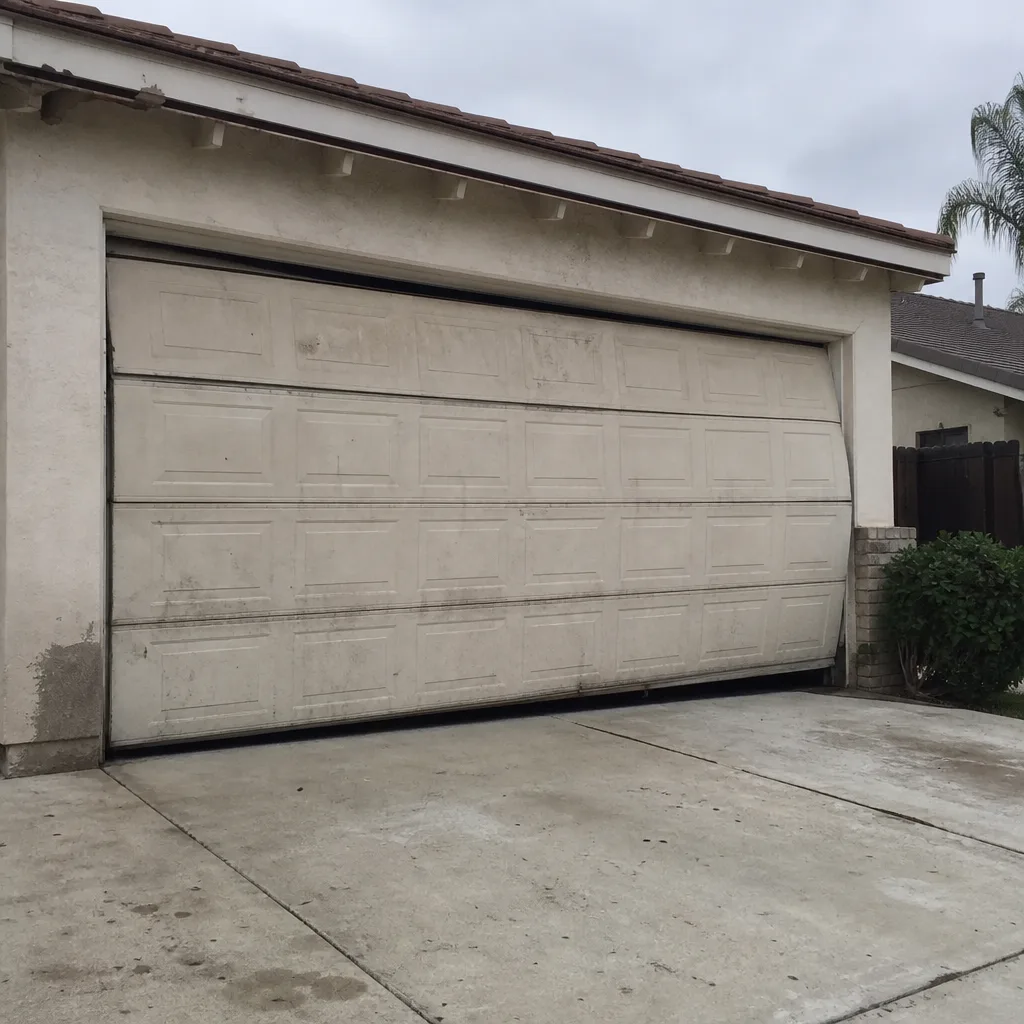 Before
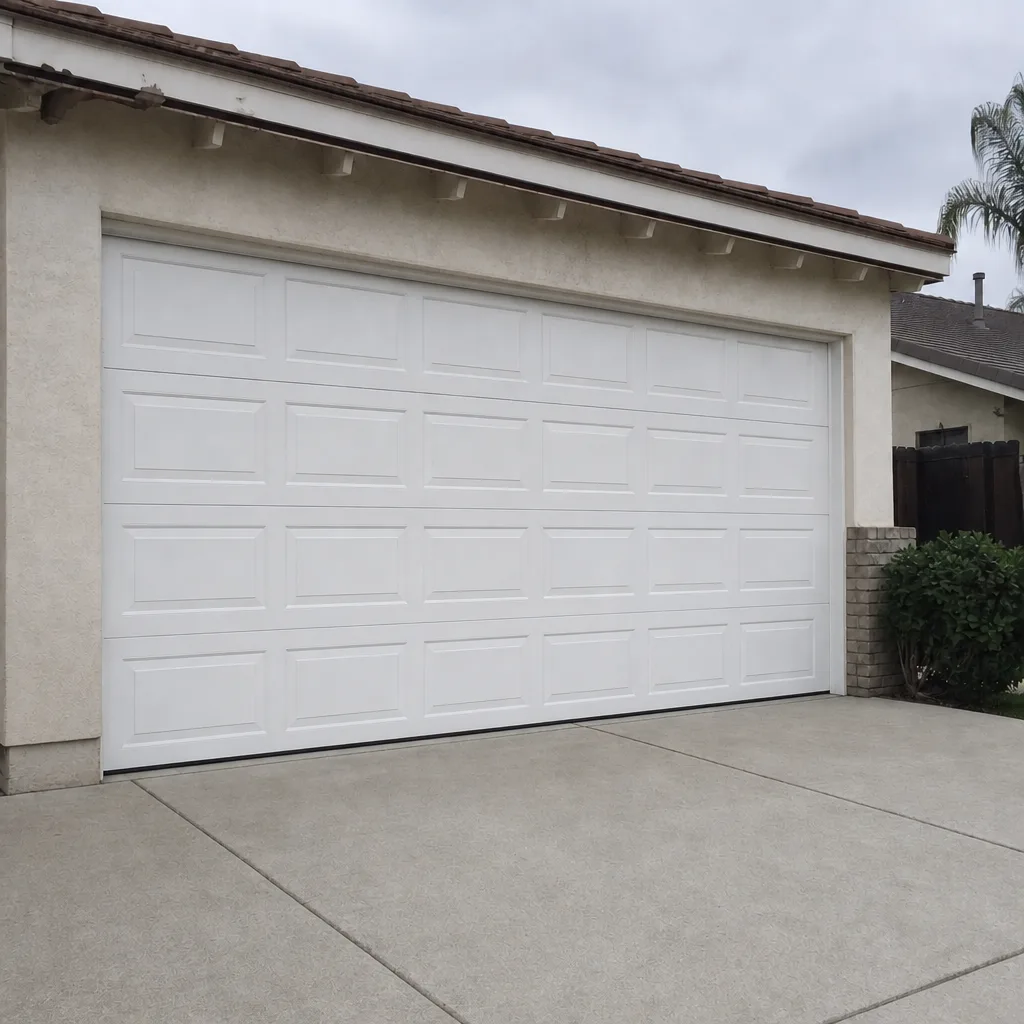 After