
Last updated November 4, 2026
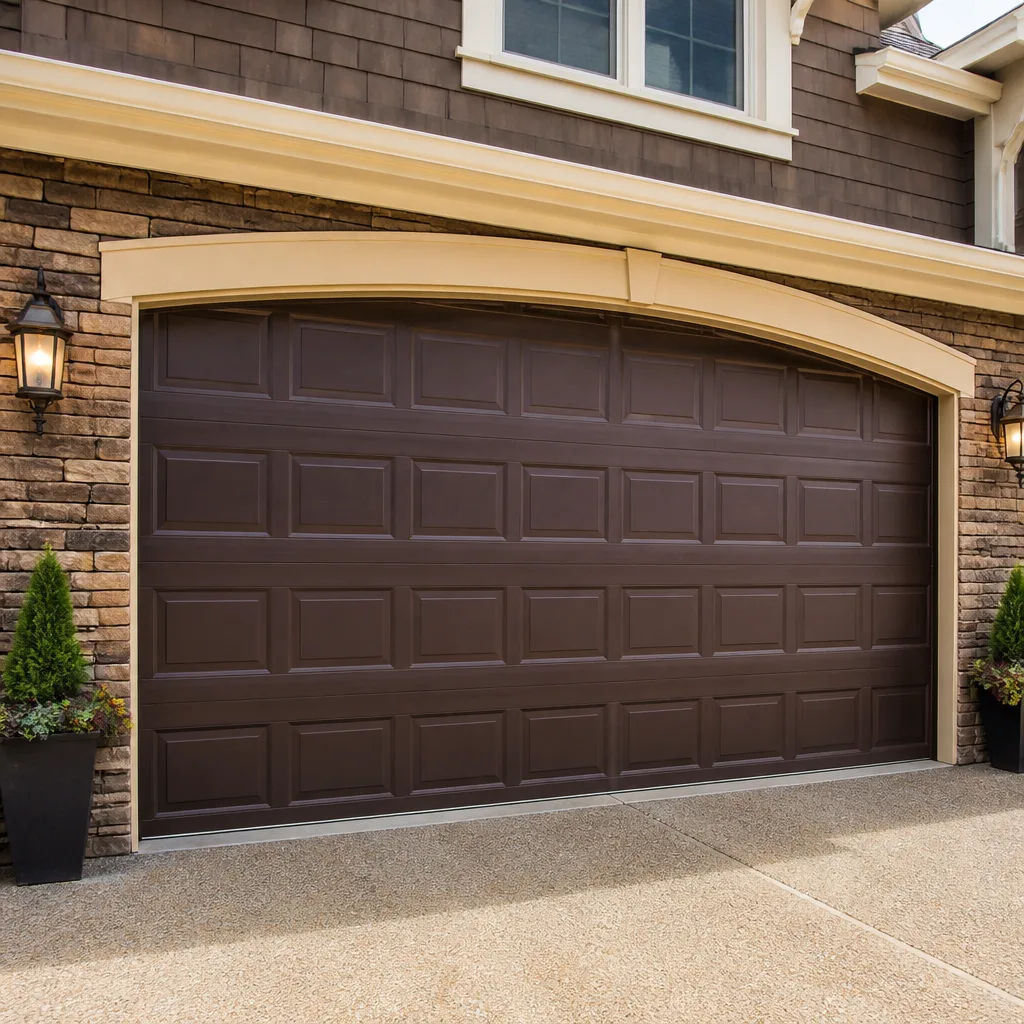 Raised-panel steel
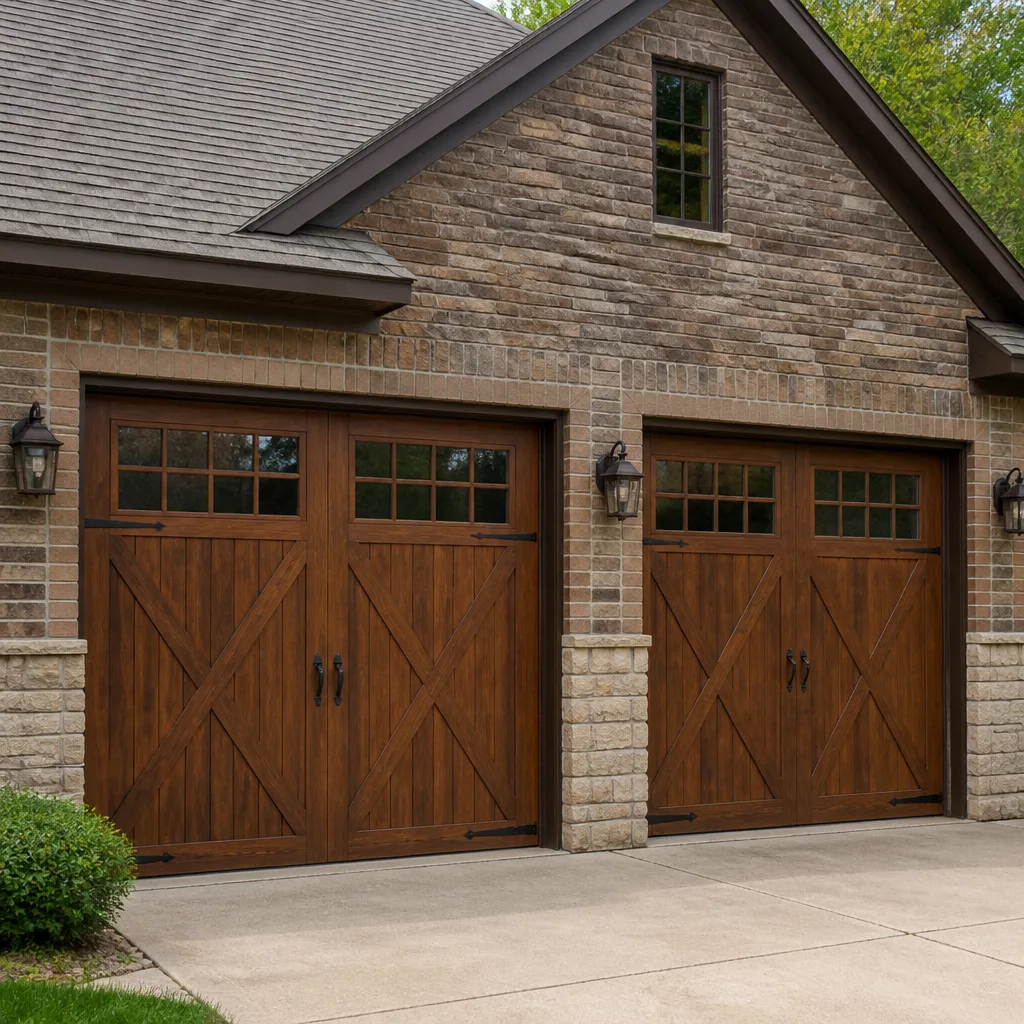 Carriage house
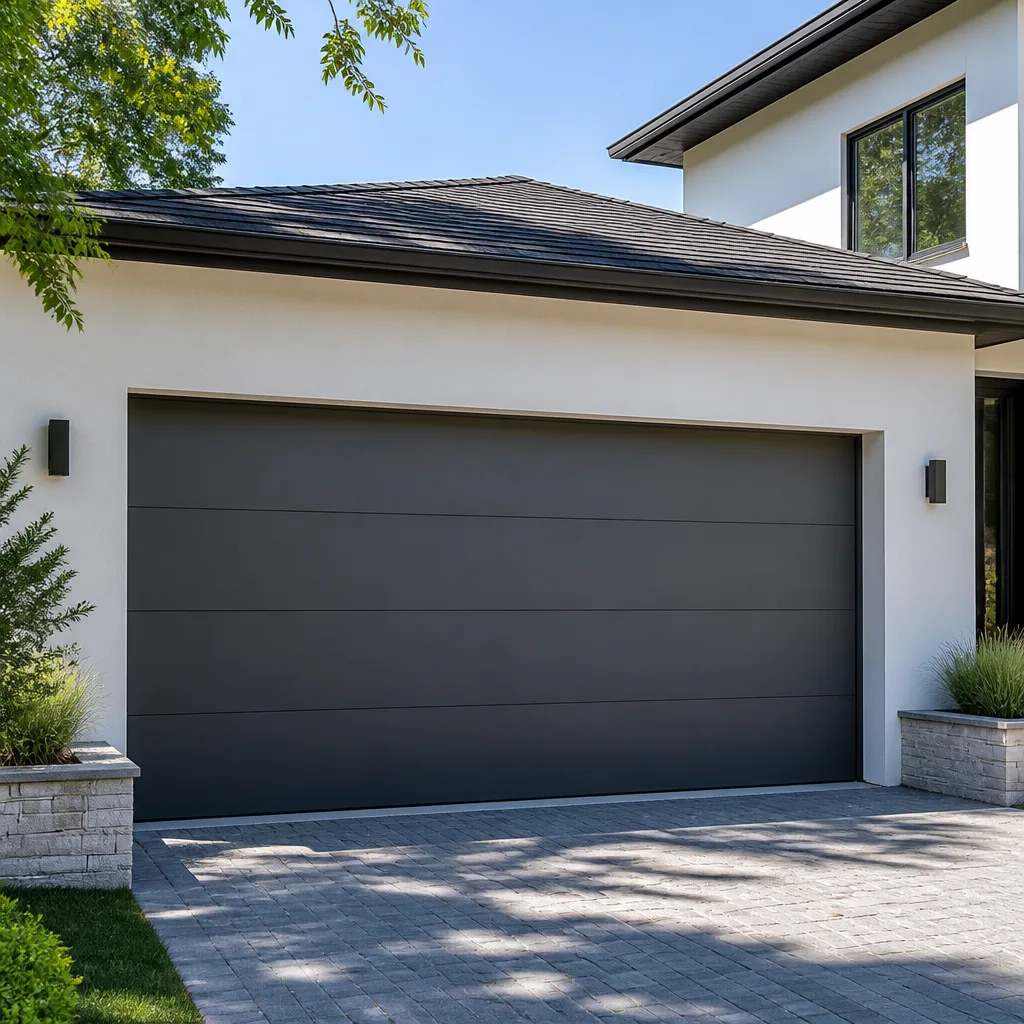 Modern flush
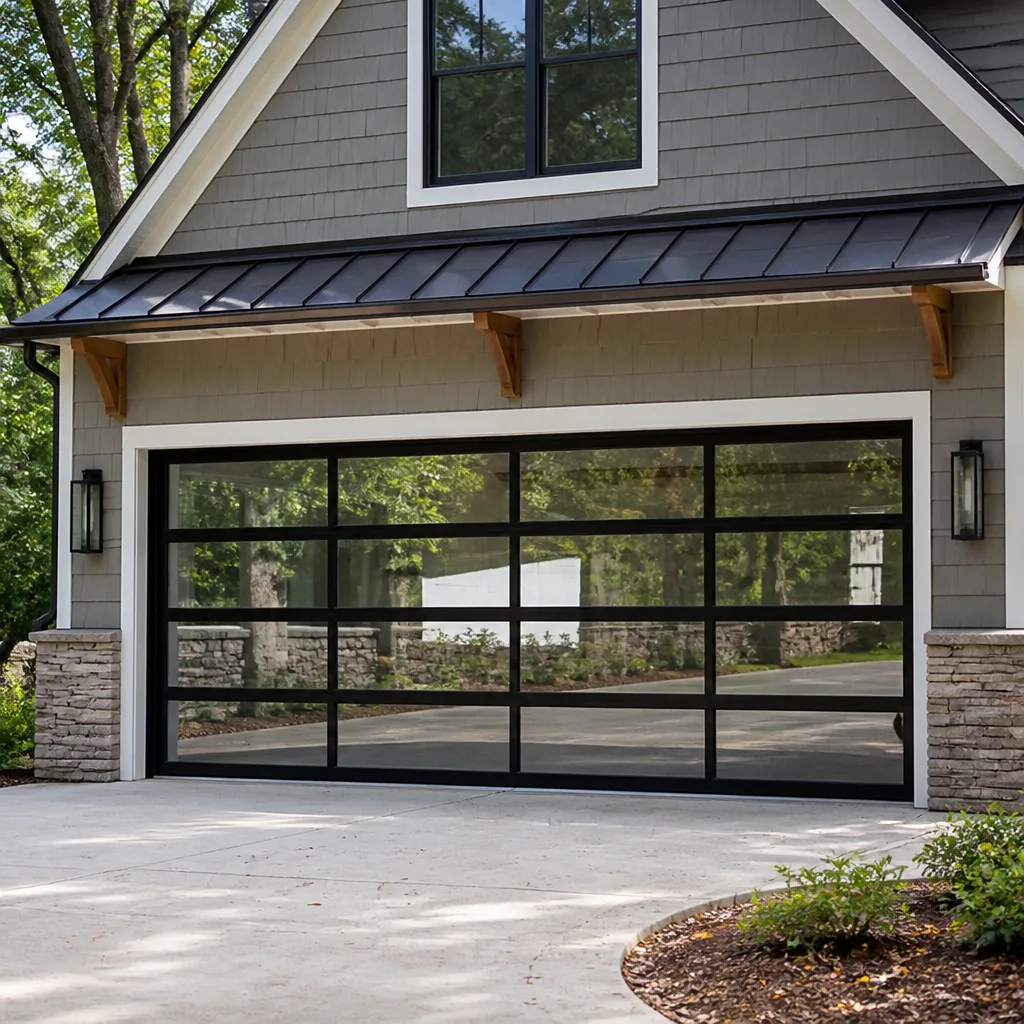 Full-view glass
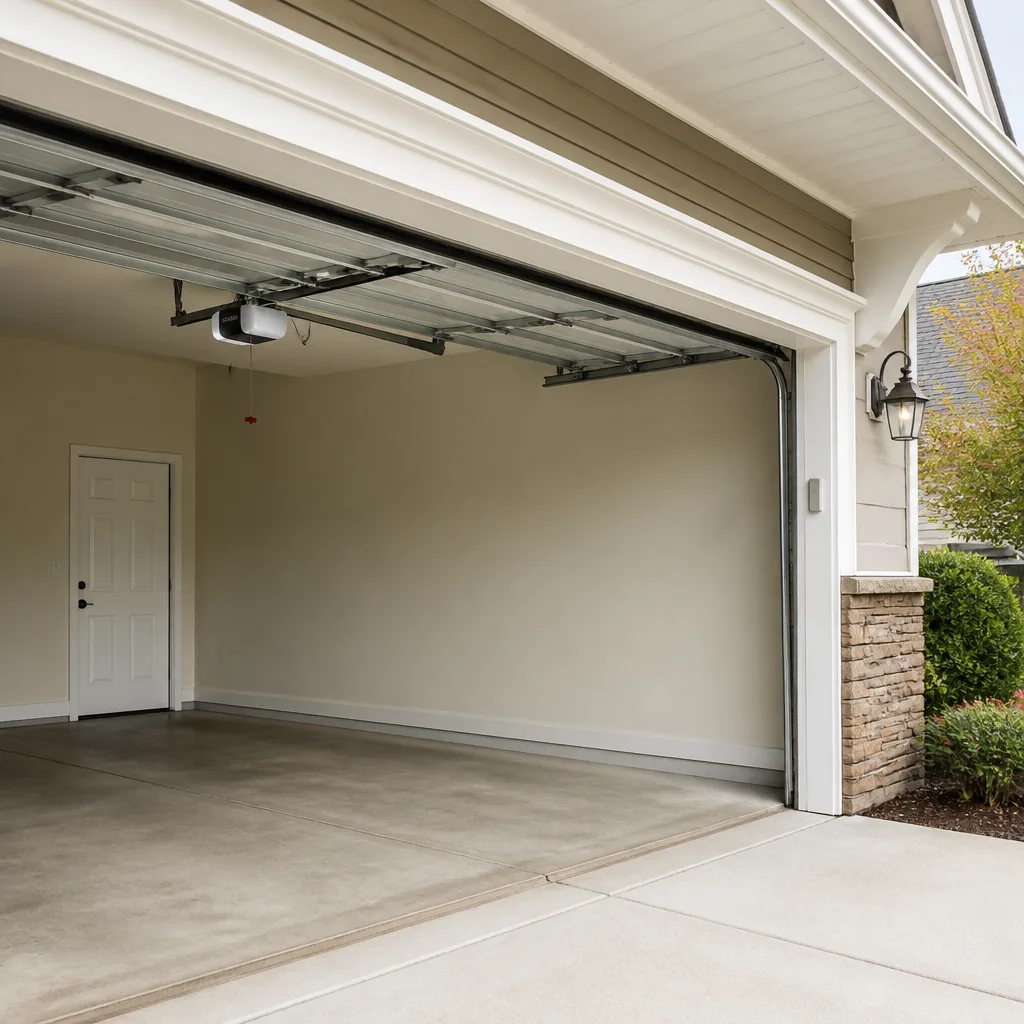 LiftMaster openers
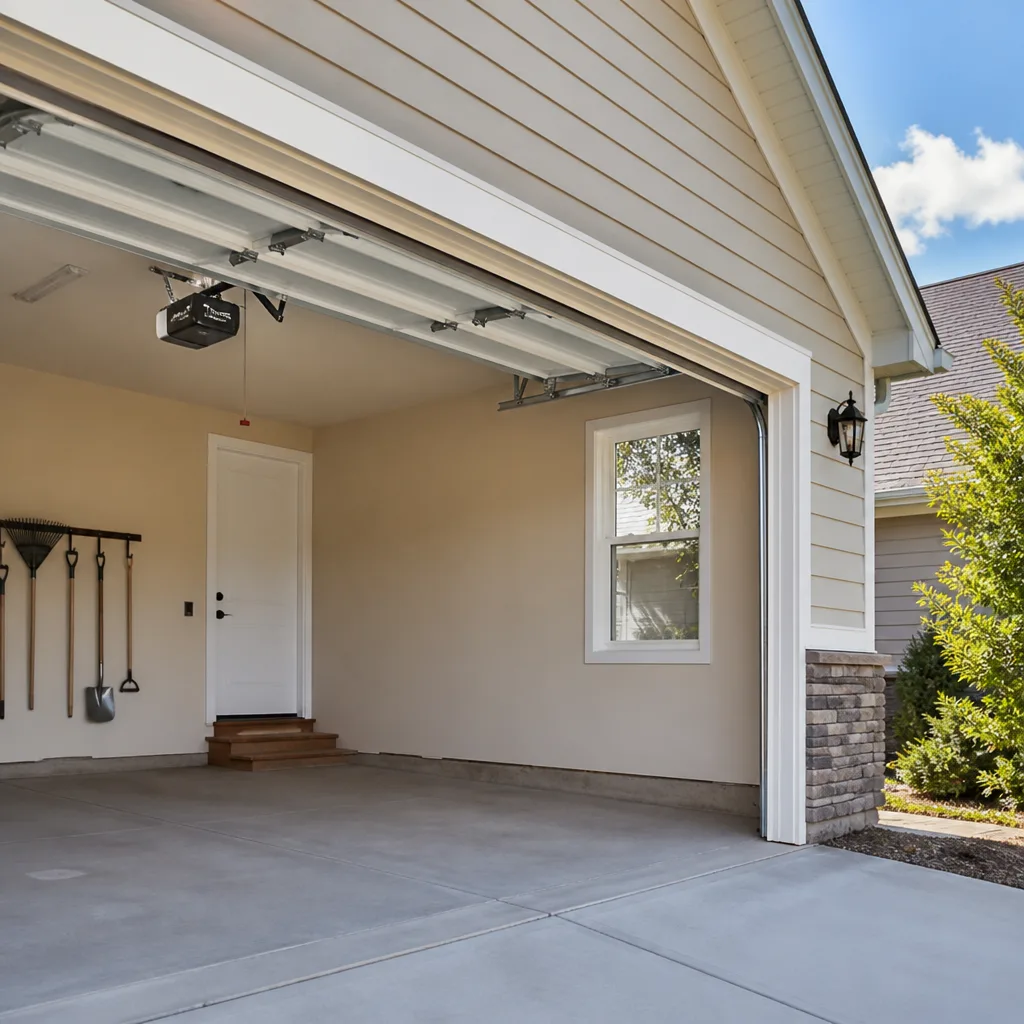 Chamberlain openers
Full 25-point door and opener safety check with every visit - springs, cables, rollers, tracks, and your LiftMaster or Chamberlain opener included
You get a price before we start. It does not change when the truck arrives.
Get your free estimateThe Complete Guide to Garage Doors in Yorba Linda
Yorba Linda sits in a wind corridor that regularly hits 50+ mph gusts during Santa Ana season, yet most garage doors installed here are rated for standard residential loads. That mismatch shortens spring life and warps panels faster than homeowners expect, and it is rarely discussed in generic online guides. This page explains how Yorba Linda’s specific conditions affect your garage door, what you should know before repairing or replacing one, and how to think about the door as an interconnected system rather than a single product. By the end, you will know what actually matters for a garage door in this city.
Styles & brands we work with
- Raised-panel steel
- Carriage house
- Modern flush
- Full-view glass
- LiftMaster openers
- Chamberlain openers
Quick Answer
A garage door in Yorba Linda needs to be evaluated as a system: the door weight, spring rating, opener torque, weather sealing, and wind exposure all affect each other. Most repairs in this area involve torsion springs, bottom seals, and opener logic boards, and the right fix often depends on which brand is already installed. Sierra Garage Door Service works on LiftMaster, Chamberlain, Genie, Clopay, Amarr, Wayne Dalton, Craftsman, and Raynor systems, so one call covers whatever you have.
Table of Contents
- How Santa Ana Winds Affect Garage Doors in Yorba Linda
- East Side vs. West Side: Why Location Within Yorba Linda Changes Door Performance
- Yorba Linda HOA Requirements and Which Door Styles Usually Pass
- Torsion Springs: The Part That Fails Most Often
- Garage Door Openers: Torque, Weight, and Brand Compatibility
- How to Read a Wind-Load Rating Label
- The Interconnected System View: Why One Part Affects Everything
- Common Mistakes to Avoid
- When to Call a Professional
- Frequently Asked Questions
- The Bottom Line
How Santa Ana Winds Affect Garage Doors in Yorba Linda
Santa Ana wind events in Yorba Linda are different from the coastal breeze most door guides assume. The gusts come from the northeast, channel through the canyons, and hit garage doors head-on with sustained force rather than occasional buffeting. A standard residential garage door is built to handle normal wind loads, but repeated exposure to 50+ mph gusts does three things over time.
First, torsion springs take on more work. When wind pushes against the outside face of the door, the springs resist that added load every time the door opens. This builds fatigue faster than typical daily use would. A spring that might last seven to nine years in a sheltered neighborhood can fail in five or six here, especially on north-facing and east-facing elevations that catch the strongest Santa Ana flow.
Second, bottom seals wear unevenly. Wind-driven dust and debris from the foothills get pushed under the door edge during gusts. The rubber seal along the bottom gets scuffed, compressed, and in some cases torn along one side. You will notice the wear pattern is rarely symmetrical on a Yorba Linda door. One corner frays before the rest.
Third, panel flex matters more. When a garage door faces sustained side pressure, any panel that is slightly loose, any hinge that has worn, or any track that is out of alignment gets amplified. The door still opens and closes, so the problem hides, but the stress concentrates at those points. We recommend checking the balance and listening for creaks during the first Santa Ana event of the season rather than waiting for a loud failure.
What helps in Yorba Linda specifically: heavier-duty torsion springs are a common upgrade on doors that face open space or sit on ridgelines, and a double-layer bottom seal holds up better against driven dust. Neither is necessary for every home. A door on a sheltered cul-de-sac in the central part of the city does not need the same spec as one backing up to the hills on the east side. The point is to match the hardware to the exposure, not to default to whatever the last house had.
East Side vs. West Side: Why Location Within Yorba Linda Changes Door Performance
Yorba Linda is not one climate. The east side and the west side of the city sit at different elevations, face different sun angles, and experience different afternoon heat patterns. That changes how the same garage door brand and model performs.
On the west side, closer to the 57 and into the lower foothills near the Santa Ana River side, afternoon sun is the dominant factor. South-facing and west-facing garage doors soak heat for hours in the summer. Steel panels expand and contract daily. Paint on older doors fades unevenly, and insulation inside steel panels breaks down if the door has direct sun for most of the afternoon. A Clopay or Amarr door with a standard steel back plate will survive, but a door with a polyurethane-insulated core holds its shape and flatness better under that sustained heat. The insulation is not just about energy; it is about keeping the panel rigid as the metal expands.
On the east side, toward Bryant Ranch and the higher elevations near the Chino Hills boundary, the temperature swings more from day to night. The door cools faster in the evening, and the hardware contracts. Hinges and rollers that were fine at 3 p.m. can bind slightly at 10 p.m. This is the side of Yorba Linda where we see more roller wear and more intermittent opener strain. The door feels heavier in the evening, and the opener has to work harder. That can shorten the life of an opener’s drive gear, especially on a Chamberlain or Genie unit that was installed to match a lighter door. If your garage faces northeast toward the hills, the door gets hit by the early sun and the Santa Ana wind, a double load that influences spring sizing.
The practical takeaway: when we evaluate a garage door in Yorba Linda, the first question is not just what brand it is. It is which side of the city the house sits on, which way the door faces, and whether the afternoon sun or the evening cool-down dominates. Those facts change the recommendation.
Yorba Linda HOA Requirements and Which Door Styles Usually Pass
Yorba Linda has a high concentration of HOAs, and many of them govern garage door appearance as part of the architectural review process. If you are replacing a door, the board usually cares about three things: panel profile, color, and whether the door matches or complements the home’s overall exterior style. They rarely care about the spring rating or the opener brand. That distinction matters because homeowners sometimes spend time researching the wrong requirements.
The panel profiles that most Yorba Linda HOA boards accept without pushback are flush, long raised panel, and recessed panel designs in muted colors. A flush door in a warm white or tan works almost anywhere and rarely draws a comment. Long raised panels read as traditional and fit the mid-century and ranch-style homes common across the older central neighborhoods. Recessed panels can add detail, but the board may ask for a color sample if the door is anything beyond a neutral earth tone.
What often gets rejected is the carriage-house or barn-style door with ornamental hardware. It can be a beautiful door, but in a HOA-governed neighborhood, individual character that stands out from the street triggers review. If you have your heart set on that style, check with your HOA before ordering. Some boards approve it if the hardware is painted to match, and others reject the shape outright. We have seen both outcomes in Yorba Linda.
The other common HOA requirement in this city is that the replacement door matches the color of the original or stays within the approved palette. If your existing door is white and the board approved white at the time of construction, moving to a dark bronze can trigger a violation letter. That is not a garage door issue as much as an architecture issue, but it delays a project. Before you buy, walk the neighborhood and look at what your neighbors have. If every house on the street has a white or tan door, plan for the same unless you have written approval otherwise.
One more thing: some Yorba Linda HOAs require that garage doors remain closed except during active entry and exit. That matters because an opener with a timer-to-close feature becomes genuinely useful in those neighborhoods. If your opener is older and lacks the feature, a replacement with a Chamberlain or Genie unit that supports timer-to-close can save you from HOA warnings. It is a small thing that generic guides never mention.
Torsion Springs: The Part That Fails Most Often
In our experience, torsion springs are the most common garage door repair in Yorba Linda. They do the heavy lifting, literally, and when one breaks, the door becomes dangerous to open manually and hard on the opener if it tries to lift the unbalanced weight.
A door uses either one spring or a matched pair. The standard recommendation is that matched pairs be replaced together. If one spring just failed, the other has the same age and wear count. Replacing only one means rebalancing the door with uneven spring tension, which produces a crooked door, faster wear on the opener, and a second repair call in the near future. This is one of the few things in garage door work that is genuinely predictable.
Spring life in Yorba Linda depends heavily on exposure. A door facing the Santa Ana wind corridor on an east-facing elevation will go through springs faster than a door on a protected interior lot. The added wind load during open cycles, combined with the daily thermal expansion from inland heat, degrades the steel in the spring. Homeowners sometimes assume a spring should last ten years minimum, which may be true in a coastal climate. Here, seven years is often a realistic upper bound for a standard spring on an exposed door. That is not a defect; it is the environment.
Safety note: torsion springs are under high tension and can cause serious injury if mishandled. We recommend a trained technician for any spring work, including diagnosis. The winding and unwinding procedure requires specific tools and technique, and a mistake sends stored energy through the hardware. If the spring breaks, leave the door closed, avoid using the opener, and call a professional. The call is free; the emergency room is not.
What to check: if the door refuses to lift more than a few inches, or if the opener strains and stops, or if you see a visible gap in the spring coil above the door, those are spring failures. If the door is heavy in the middle of the panel and the cables look loose, same thing. A quick visual inspection from the floor tells you enough.
Garage Door Openers: Torque, Weight, and Brand Compatibility
The opener is the most failure-prone component of any garage door system. In Yorba Linda, the inland heat and the daily temperature swing put real load on the opener’s motor and drive gear. The issue is usually not the brand. It is that the opener was sized for the original door and never re-evaluated.
When a door gets replaced with a heavier model, an older opener may not have the torque to handle it. This happens frequently when a homeowner swaps a basic steel door for an insulated door with a wood-look finish. The new door might weigh 40 to 60 pounds more than the original. The opener still lifts it, but the motor runs hot, the drive gear wears, and the logic board eventually fails. A better approach is to consider the opener and the door together at the time of replacement.
Brand compatibility is less about the door than about the type of drive. A Chamberlain opener with a belt drive runs quieter and handles heavier doors better than a chain drive of the same horsepower. A Genie unit with a DC motor manages variable speed and soft starts more smoothly than an older AC model. None of this is exclusive to one brand. It is about matching the opener’s output to the door’s weight and the household’s usage pattern.
If you have an opener that works, keep it. If you have an opener that is misbehaving, the first step is a proper diagnosis rather than a default replacement. Many garage door opener repair calls in Yorba Linda turn out to be sensor misalignment, travel-limit drift, or a worn gear, all of which are repairable. The repair makes sense when the motor is still healthy and the logic board responds. When the motor is exhausted or the board is fried, replacement is the honest answer. We service openers from LiftMaster, Chamberlain, Genie, Craftsman, and Raynor, so we work on what is already in your garage.
How to Read a Wind-Load Rating Label
Garage doors sold in California carry a wind-load rating label, often located on a door panel edge or on the documentation that came with the door. The label indicates the design pressure the door is rated to withstand, expressed in pounds per square foot. Understanding the label helps you know whether the door on your Yorba Linda home is actually suited to the exposure it faces.
- Locate the label. On most doors it is printed on a sticker near the bottom panel edge or inside the track area. If you cannot find it, the model number can be looked up through the manufacturer.
- Look for the design pressure number, often listed as “DP” followed by a figure. A standard residential door is usually rated for a positive and negative pressure range. The positive number is the push from outside; the negative is the suction from wind passing over.
- Check whether the label includes a “windborne debris” notation. That only applies to hurricane zones, which Yorba Linda is not in, so do not worry if it is absent. You are looking for wind pressure only.
- Compare the rating to the exposure. A door on an east-facing elevation that catches full Santa Ana gusts is at higher load than a south-facing door shielded by a neighbor’s house. A door rated for standard residential exposure is fine in many central Yorba Linda lots but may be undersized on exposed ridgelines.
- If the door is old and the label is gone, a technician can identify the model and check the manufacturer’s published rating. That matters when you are deciding between repair and replacement.
Most homeowners in Yorba Linda do not need a wind-rated door in the hurricane sense. But a door engineered with a slightly higher positive-pressure rating and a reinforced center stile will hold its shape longer on the windiest streets. The upgrade is modest, and it extends panel life in ways you can see on doors that have been through several Santa Ana seasons.
The Interconnected System View: Why One Part Affects Everything
A garage door is not a collection of independent parts bolted together. It is a balanced system. The springs offset the door’s weight. The opener provides the motion. The rollers and hinges guide the panels. The cables transfer load. The seals manage air and debris. When one component changes, the load on the others changes.
Here is a simple sequence we often walk homeowners through in Yorba Linda:
- The original door gets replaced with a heavier insulated model from Clopay or Amarr.
- The installer leaves the original springs, which were rated for the lighter door.
- The springs now carry more load than designed, and they fatigue early.
- The opener, also sized for the old door, strains against the heavier panel and the stiffer springs.
- The drive gear wears, and the travel limits drift because the door moves differently.
- The homeowner calls about an opener issue, but the root cause is the mismatched system.
This is not rare. It is the most common chain of failure we see when doors are replaced without evaluating the whole setup. The fix for a new door is to verify the spring rating, check the opener’s horsepower and drive type, set the travel limits correctly, and confirm the balance with a manual lift test. When all four things are done at once, the system settles and stays reliable.
For an existing door, the system view applies to repair as well. A noisy door is not just noisy; it is telling you that rollers are worn or hinges are loose. A slow opener is not just slow; it is telling you the motor is working against friction or excess weight. The best diagnosis looks at the whole door, not just the symptom. That is how a specialist approaches it, and that is the same lens we use whether the door is a Wayne Dalton, a Raynor, or any other major brand.
Common Mistakes to Avoid
- Replacing only one spring on a matched pair. The other spring is the same age and will fail soon. More importantly, the door will not balance correctly, and the opener will suffer. Always replace pairs together.
- Ignoring the wind exposure when choosing a replacement door. A door that works fine on the west side of Yorba Linda may not hold up the same way on an east-facing lot with full Santa Ana exposure. Match the panel reinforcement to the location.
- Choosing a door style without checking the HOA. The carriage-house look may get rejected on architectural review. Walk the neighborhood and ask before you order. A rejected door delays the project and costs money.
- Associating the brand with the reliability of the system. A Chamberlain opener on an unbalanced door will fail regardless of brand. Most “bad brand” stories are actually bad installation or mismatched hardware. Diagnose the system, not the logo.
- Oiling the door to fix a loud problem. Noise usually comes from worn rollers, loose hinges, or a track out of alignment. Lubricant masks the symptom briefly and throws oil on the track where the rollers need friction. Fix the mechanical issue instead.
- Waiting until the door stops working entirely. A slow opener, a crooked door, a creak that appears at the same point every cycle: these are early warnings. The repair is smaller and cheaper before a spring snaps or a gear strips.
- Treating the opener as an isolated component. If the opener is struggling, the first question is whether the door is balanced and the springs are correct. Replacing the opener without checking the door often leads to a second failure.
When to Call a Professional
Call a professional whenever the failure involves high-tension springs, cables, or a door that will not open safely. A snapped torsion spring is not a DIY repair. Neither is a cable that has jumped off a drum. Both involve stored energy and the risk of serious injury. Call if the door opens unevenly, if the opener runs but the door does not move, or if there is visible damage to a hinge, track, or panel that affects balance.
For everything else, a professional evaluation still saves time. A door that is noisy or slow usually has more than one contributing factor, and guessing at which part to replace gets expensive. Yorba Linda homeowners can get a free estimate on any repair or installation. Sierra Garage Door Service offers free estimates in Yorba Linda, call (866) 282-5613. We answer 24/7. Fast dispatch from 7am to 7pm, Sunday through Friday.
Frequently Asked Questions
A torsion spring replacement in Yorba Linda typically runs between $180 and $340 for a single spring, and most doors use a matched pair, so expect roughly double that for a full pair replacement. The exact number depends on the spring size, the door weight, and the labor involved. Call (866) 282-5613 for an exact quote, estimates are free.
Yes, we offer same-day service for most garage door repairs in Yorba Linda. We answer 24/7, and fast dispatch runs from 7am to 7pm, Sunday through Friday. Call (866) 282-5613.
We work on LiftMaster, Chamberlain, Genie, Clopay, Amarr, Wayne Dalton, Craftsman, and Raynor systems, and we take a brand-neutral approach. Tell us what you have, we know it. One call covers repair, openers, and full installation.
No. The price is quoted and agreed in writing before any work starts. If the job changes in scope because of something we find, we discuss it with you first. The written estimate sets the final price.
Repair is the right call when the door is structurally sound and the failure is in a replaceable component: springs, cables, rollers, hinges, or opener parts. Replacement makes sense when the panels are warped, the door no longer holds its shape, or the cost of repairing multiple components exceeds the value of the door. A technician can evaluate both paths in one visit.
In most HOA-governed neighborhoods in Yorba Linda, yes. The board usually reviews panel profile and color. Flush, long raised panel, and recessed panel doors in neutral colors are the safest options. Check with your board before ordering to avoid a rejection.
The Bottom Line
A garage door in Yorba Linda lives with Santa Ana wind, inland heat, and HOA rules that shape every replacement decision. The right approach treats the door as a system: springs matched to door weight, opener matched to both, seals built for wind-driven debris, and a panel profile your HOA will accept. The brand matters less than the fit. When the pieces are matched correctly, the door lasts longer and the repair calls are rare. When they are not, failures chain together. Sierra Garage Door Service handles repair, opener repair, and installation on eight major brands, so the entire system is covered under one roof. Your door, your brand, our expertise.
Written by the team at Sierra Garage Door Service, serving Yorba Linda since 2014.
See the difference
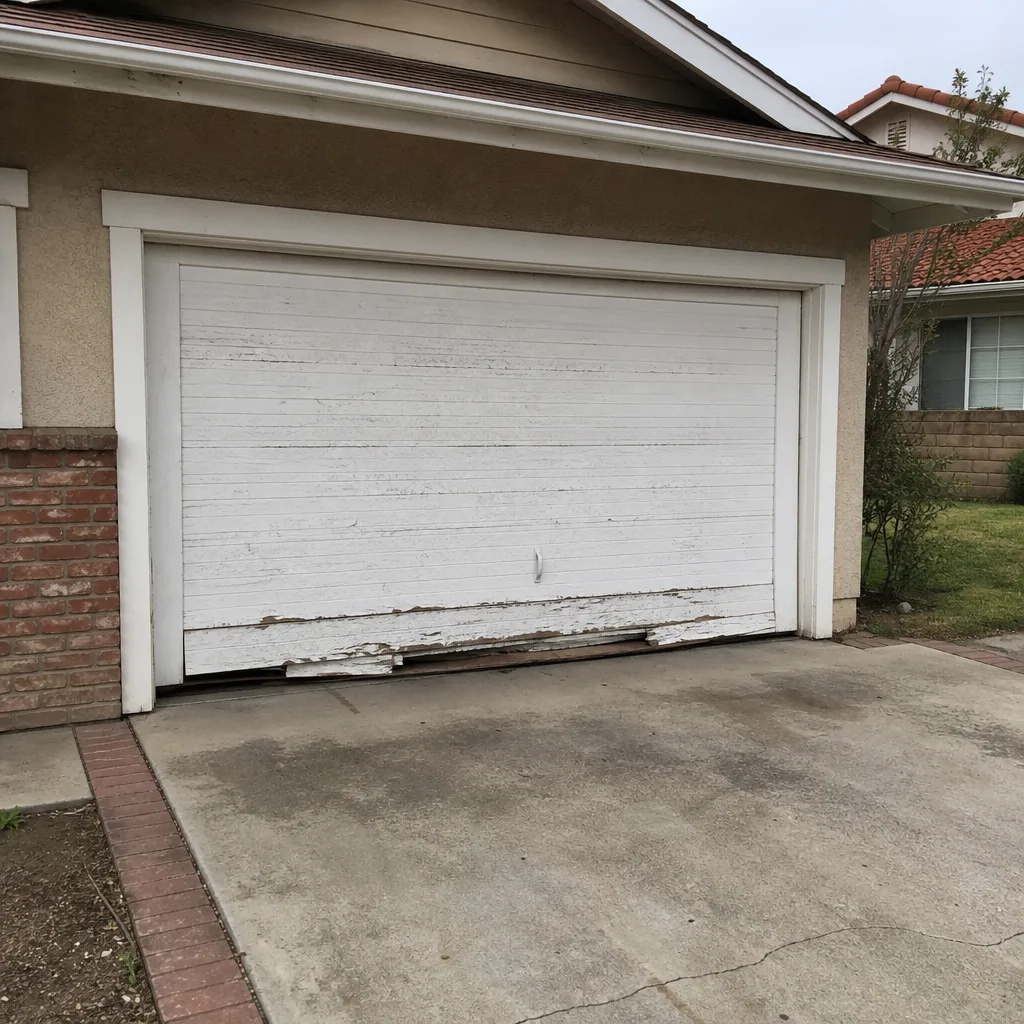 Before
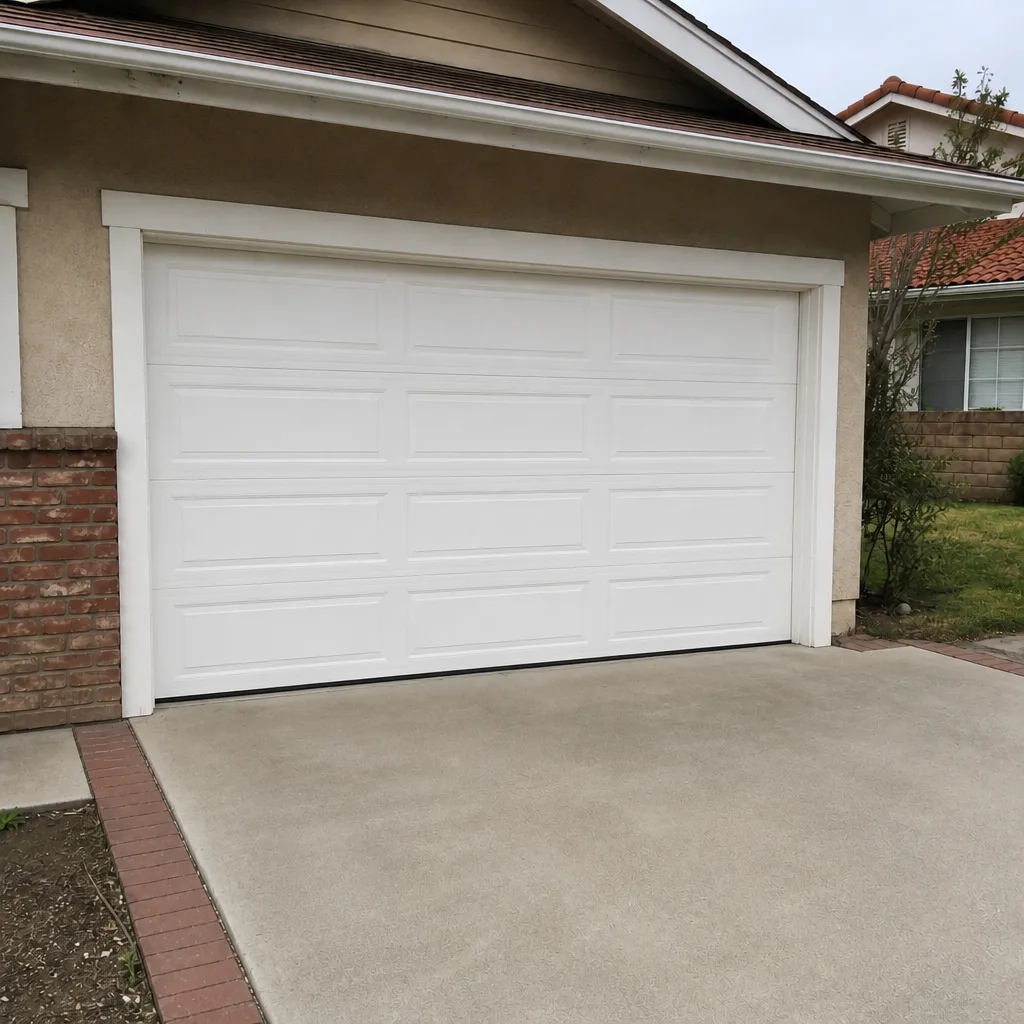 After
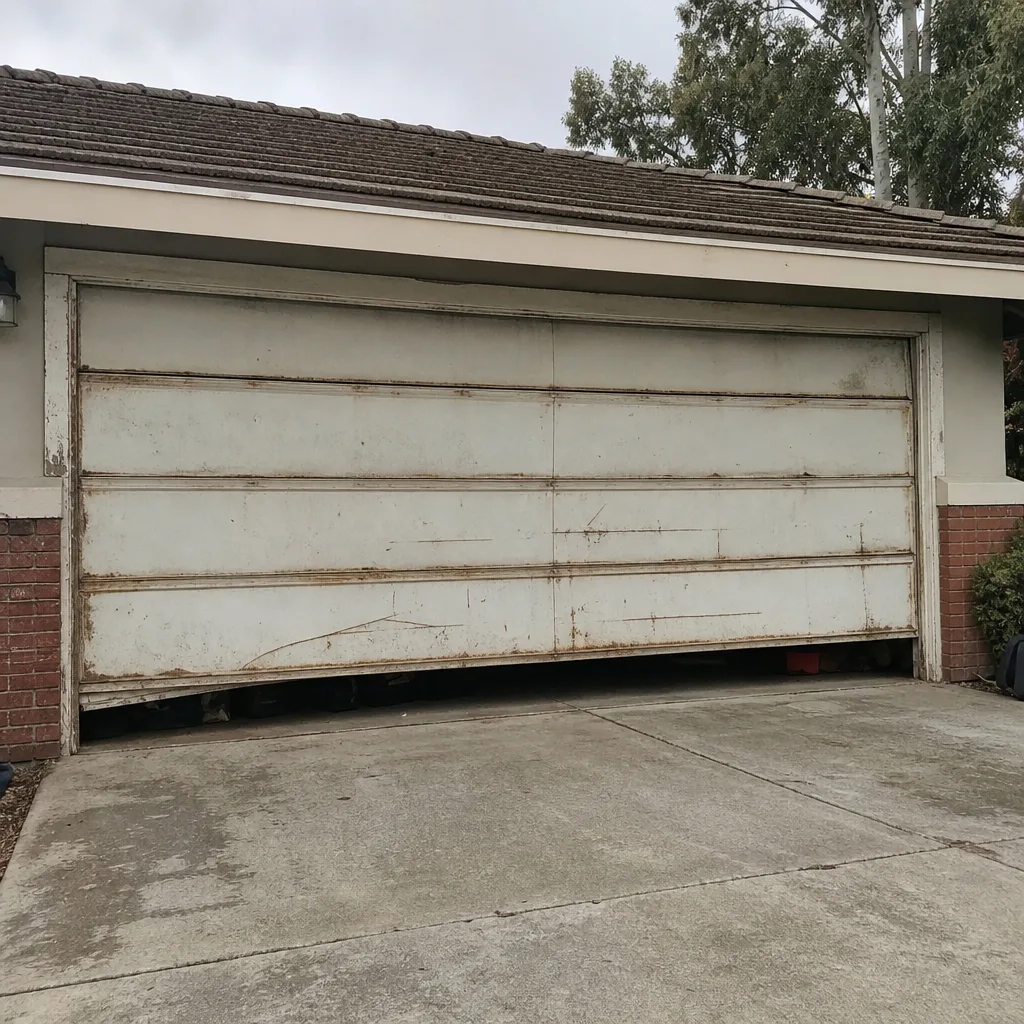 Before
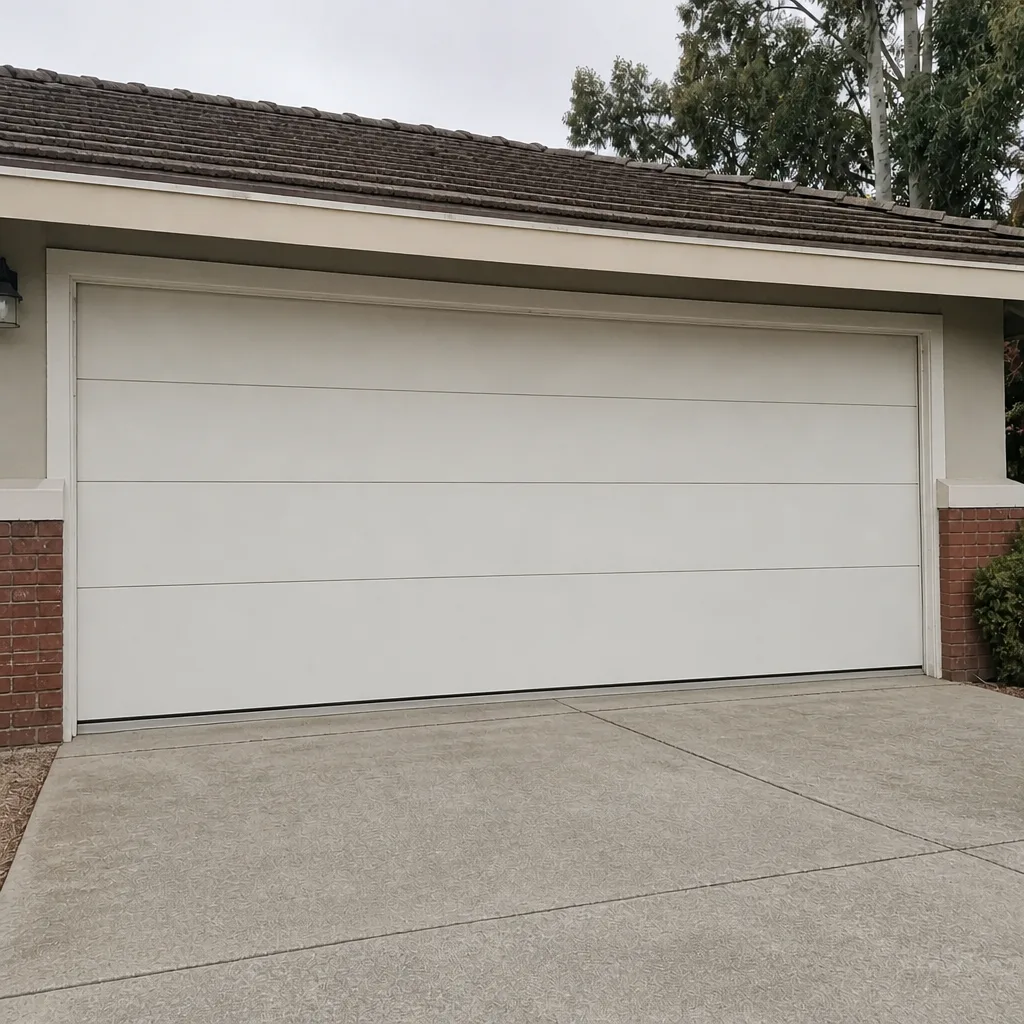 After
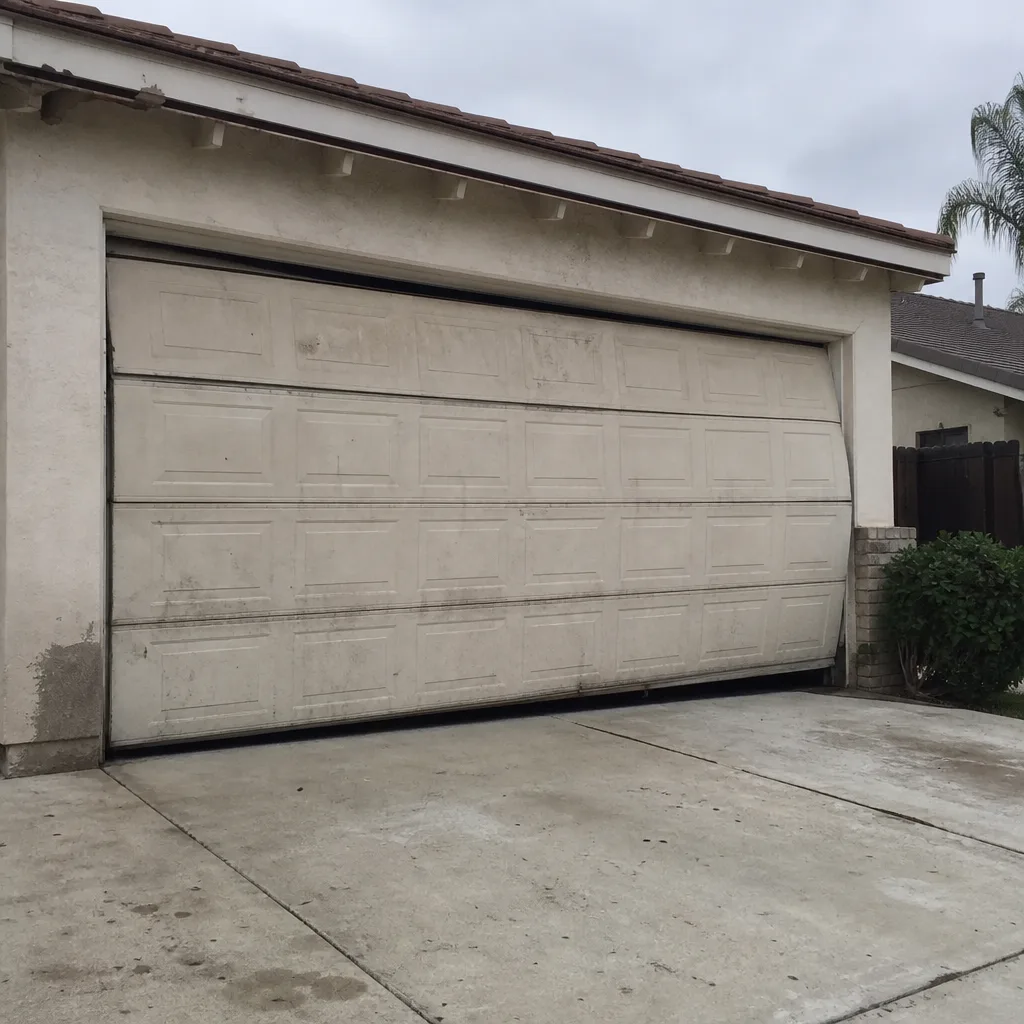 Before
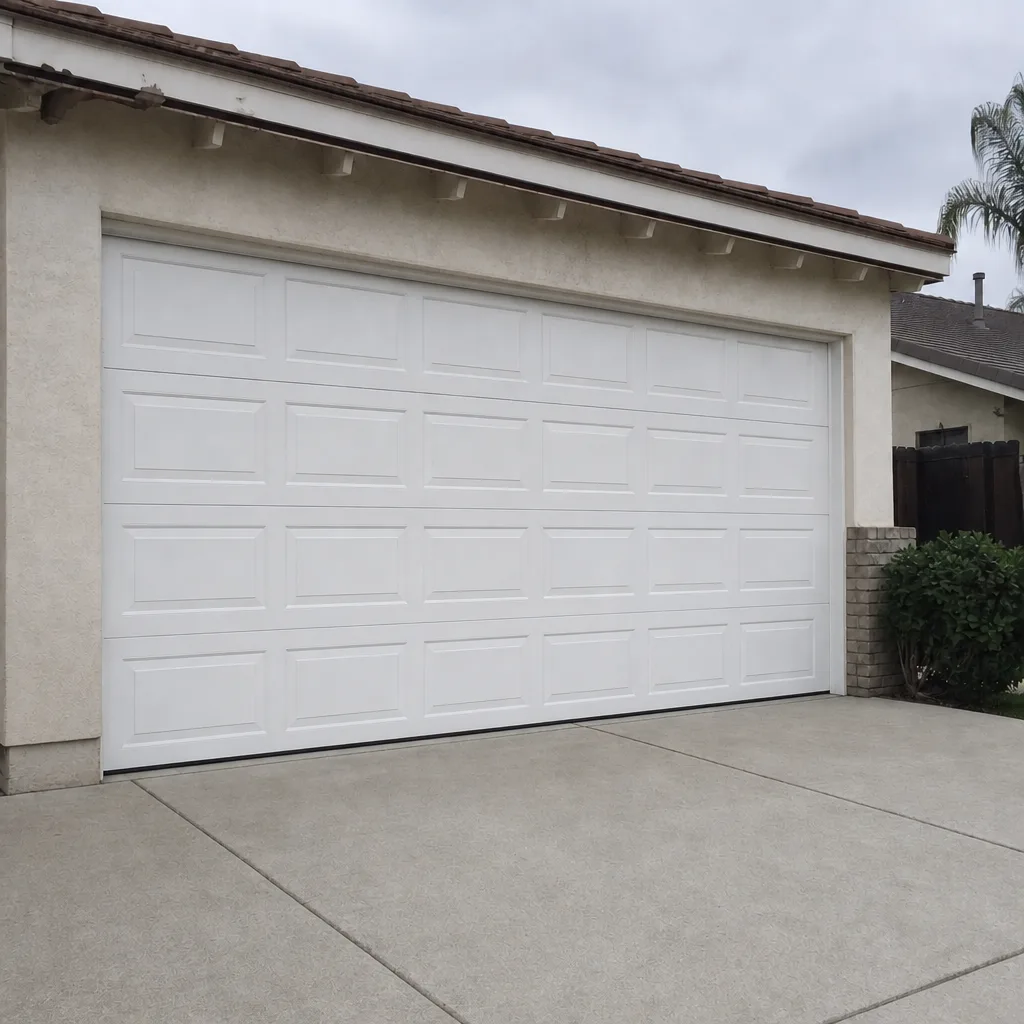 After