
Last updated November 4, 2026
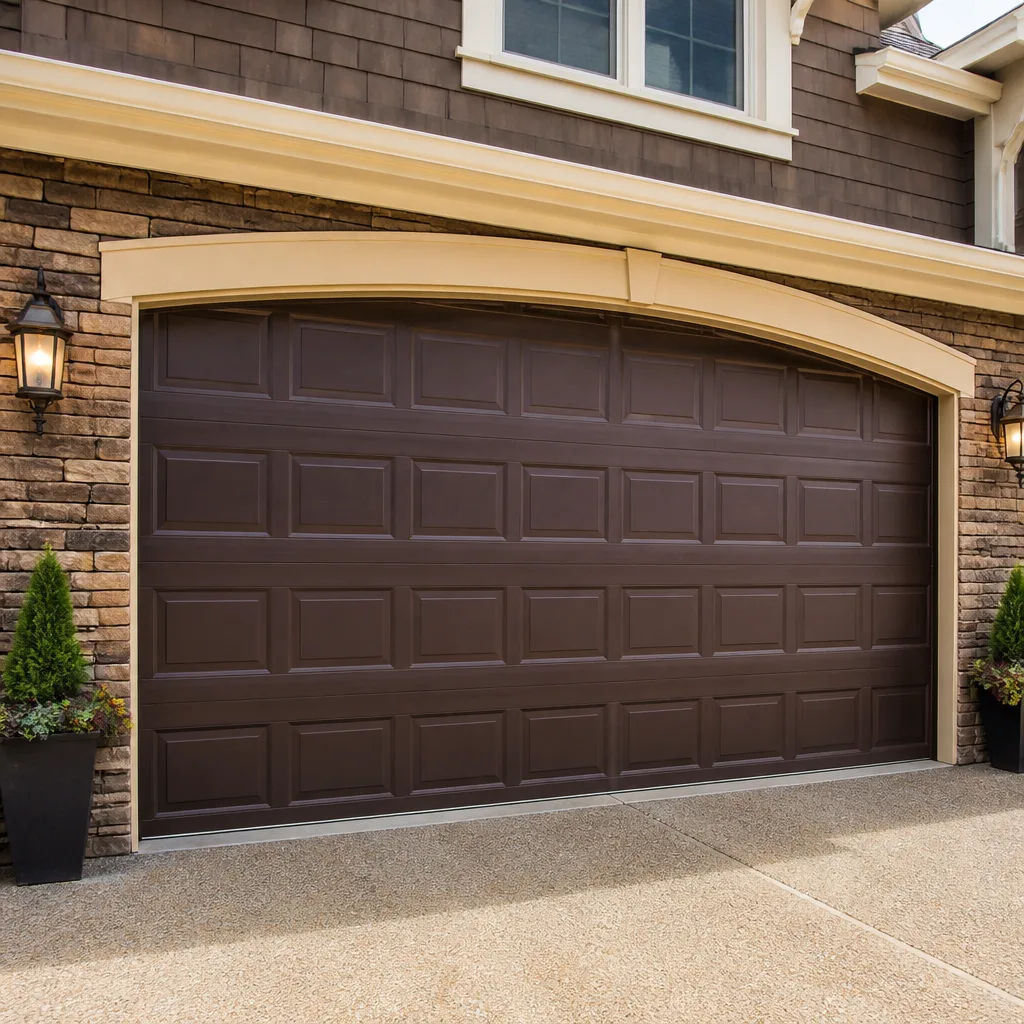 Raised-panel steel
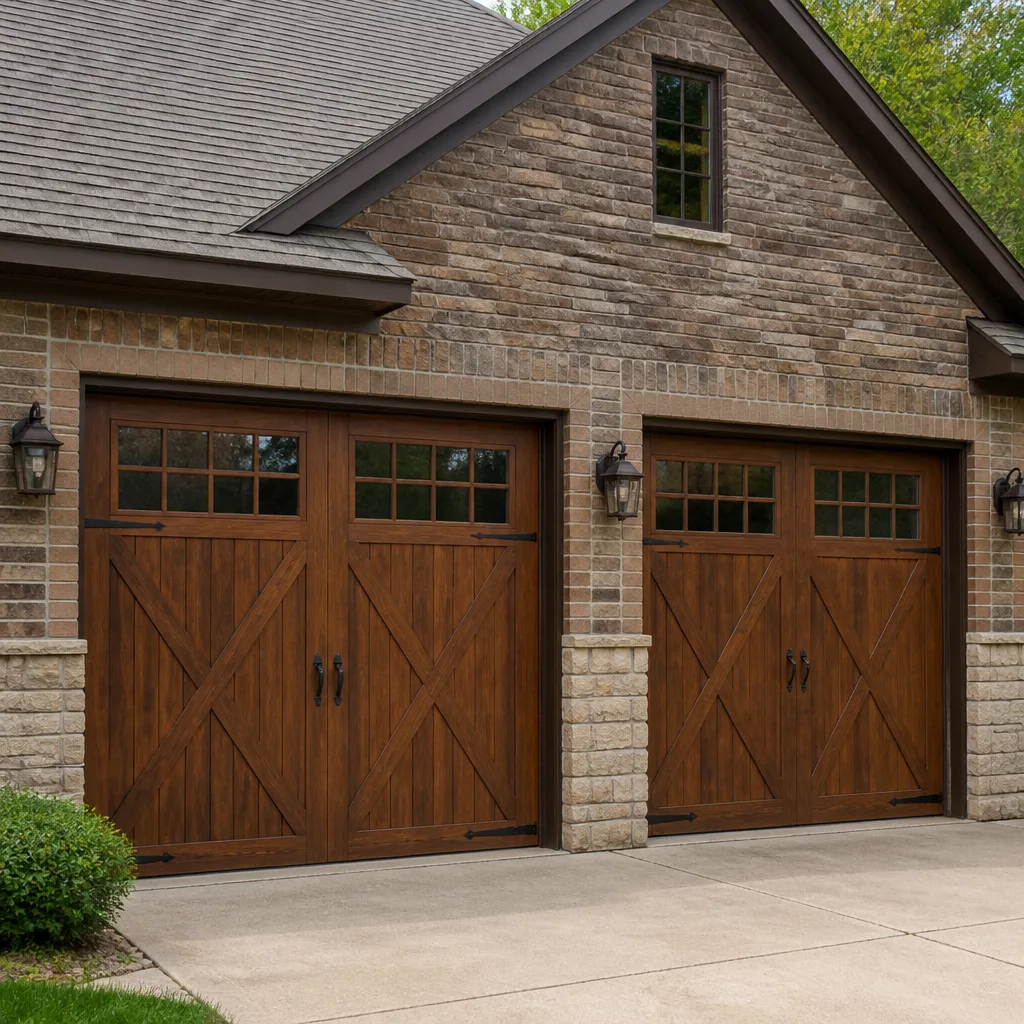 Carriage house
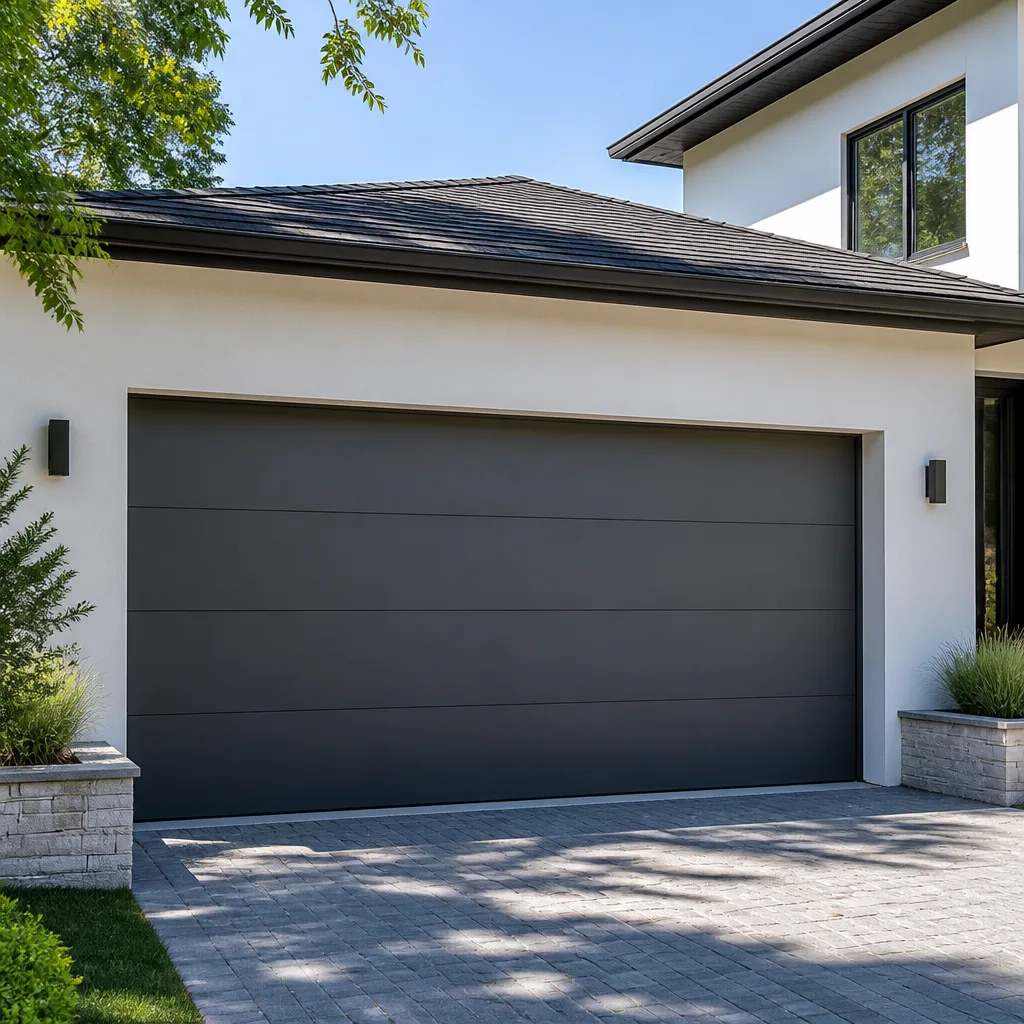 Modern flush
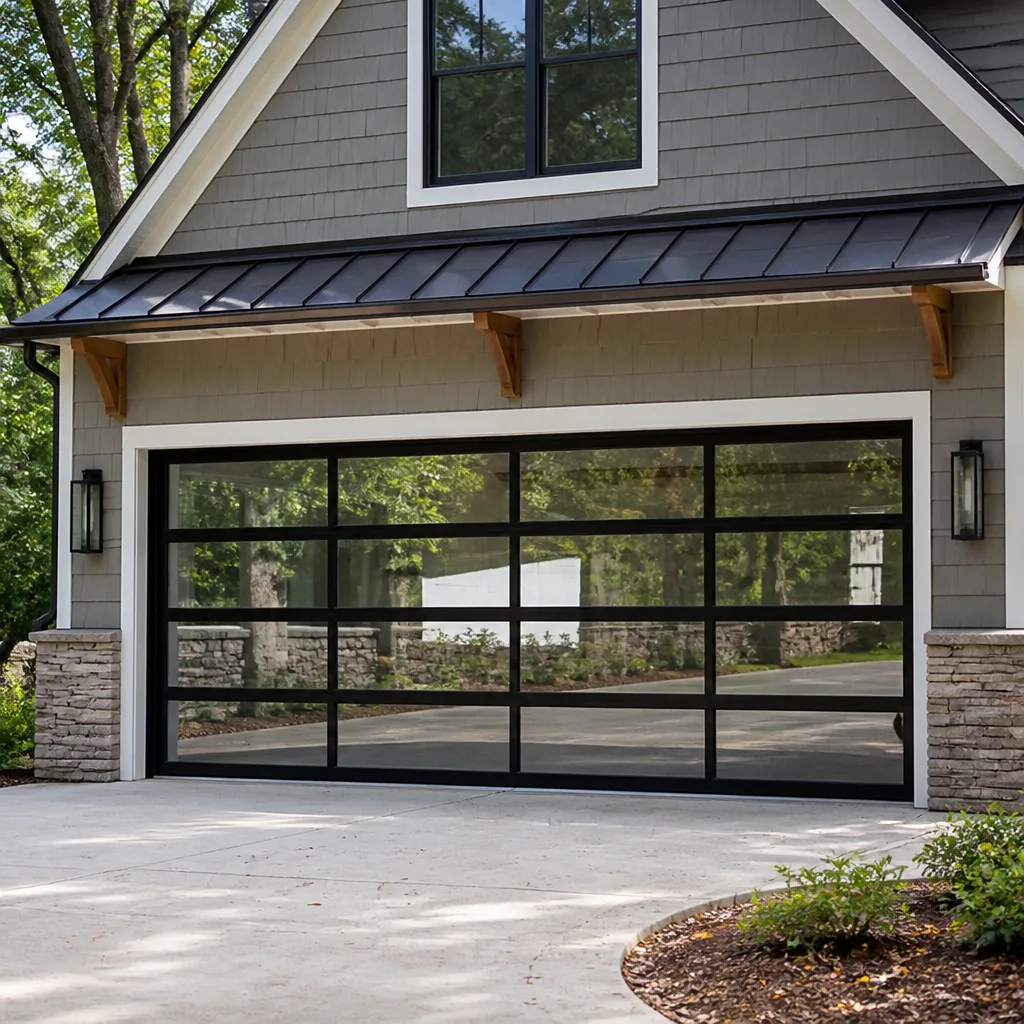 Full-view glass
 LiftMaster openers
 Chamberlain openers
Full 25-point door and opener safety check with every visit - springs, cables, rollers, tracks, and your LiftMaster or Chamberlain opener included
You get a price before we start. It does not change when the truck arrives.
Get your free estimateDIY vs Professional Garage Door: The Yorba Linda Homeowner’s Decision Guide
Most DIY garage door advice starts with the wrong question. It asks whether you’re handy enough. The better question is whether the specific task carries mechanical risk that a YouTube tutorial can’t show you. A torsion spring wound to balance a 150-pound door stores enough energy to break bone if the winding bar slips. Yet replacing weatherstripping or programming a remote is genuinely safe work any Yorba Linda homeowner can handle in an afternoon. This guide draws the line task by task, so you know exactly what to grab a ladder for and what to leave to a technician.
Quick Answer
Safe DIY garage door tasks in Yorba Linda include weatherstripping replacement, remote programming, track cleaning, and panel painting. Torsion spring replacement, cable work, and structural header changes belong with a professional because the stored mechanical energy and load-bearing risks aren’t apparent until something fails. Most homeowners can safely handle about a third of the typical repair list themselves, while the remaining two thirds carries a real injury risk or code implication that justifies the labor cost.
Styles & brands we work with
- Raised-panel steel
- Carriage house
- Modern flush
- Full-view glass
- LiftMaster openers
- Chamberlain openers
Table of Contents
- The Safe DIY List: What Any Capable Homeowner Can Handle
- Technician-Only Tasks: Where the Line Actually Is
- The Real Cost Comparison for Yorba Linda Homeowners
- How DIY Work Can Void Manufacturer Warranties
- California Liability and Insurance Context
- What Partial DIY Looks Like in Practice
- Yorba Linda-Specific Factors That Change the Math
The Safe DIY List: What Any Capable Homeowner Can Handle
Let’s start with what you can absolutely do yourself. These tasks share two qualities: no stored mechanical energy and no structural consequence if done imperfectly. If you make a mistake, the worst outcome is usually an ugly result or a trip back to the hardware store, not an injury or a damaged door.
Weatherstripping replacement tops the list. Yorba Linda’s dry summers and occasional Santa Ana winds let dust and heat creep under a worn bottom seal, and the fix is straightforward. You pull out the old strip, cut a new one to length, and slide it into the aluminum retainer. No springs, no cables, no risk. The same goes for the perimeter weatherstrip along the door frame, which keeps warm air out during peak summer afternoons.
Remote programming is another safe win. Whether you have a LiftMaster, Chamberlain, or Craftsman opener, the learning process usually involves holding a button on the head unit and pressing the remote. The owner’s manual tells you the exact sequence for your model. If you’ve lost the manual, most manufacturers post PDFs online by model number.
Track cleaning and inspection is preventive work that doesn’t require special tools. You wipe down the vertical and horizontal tracks, check that bolts are snug, and look for obvious dents or gaps. Keeping the tracks clean reduces friction and helps rollers last longer. This is the kind of task that pays off over years without ever putting you near a dangerous component.
Panel painting is cosmetic but worth doing correctly. Steel doors in Yorba Linda homes take direct sun on south-facing exposures, and repainting every few years prevents surface rust and keeps the door looking sharp. The key is using the right preparation: wash, lightly sand, prime any bare metal, then apply an exterior-grade latex. You’re not touching any mechanical system, so there’s no safety concern.
Lubrication of rollers and hinges falls into a gray zone we’ll clarify here. Using a spray lubricant on the rollers, hinges, and tracks is safe and useful. You should not lubricate the torsion spring itself, though. Winding or unwinding the spring, or cleaning it with anything that could affect its surface, is professional territory. For everything on this safe list, you need basic tools and an hour or two. None of it approaches the stored energy in a wound spring.
Technician-Only Tasks: Where the Line Actually Is
The line between safe and dangerous is drawn at stored energy and load path. Four tasks sit firmly on the professional side, and the reasons are mechanical, not skill-based.
Torsion spring replacement is the clearest example. When a torsion spring is wound to counterbalance a garage door, it stores rotational force. If a winding bar slips during adjustment, that force releases instantly. We’ve seen bars bend and lodge in drywall. Even experienced technicians treat this task with respect, using proper winding bars, never screwdrivers or makeshift tools. It’s not that a homeowner can’t learn the technique. It’s that the consequences of a single mistake are severe enough that the learning curve is too steep to be worth it.
Cable work is closely related. The lift cables run alongside the door and transfer tension between the springs and the bottom brackets. If a cable frays and snaps while the door is under tension, the released energy can whip the cable across the garage. Replacing cables requires de-tensioning the spring system first, which loops you back into the torsion spring hazard. There’s no way to safely replace a lift cable without working on the spring assembly.
Structural header changes belong with professionals for a different reason. If you’re widening a door opening or replacing the header beam above it, you’re altering the load path of your home’s framing. In Yorba Linda, this kind of work typically requires a permit, and a city inspector will want to see that the beam is sized correctly for the span and load. Getting this wrong doesn’t just risk a door that binds. It risks structural movement of the wall above the opening.
Opener motor replacement or logic board work straddles the line. Swapping the entire opener unit is something a capable homeowner can do with a helper, especially if the new unit uses the same mounting points. But diagnosing a failing logic board or replacing internal motor components is different. The time spent guessing at the fault often outweighs the cost of a professional diagnosis, and a miswired connection can create a fire hazard. If you’re comfortable with basic electrical work and the problem is clearly a worn motor, replacement is reasonable. If you’re unsure where the fault is, call a specialist.
The Real Cost Comparison for Yorba Linda Homeowners
The honest math on DIY versus professional isn’t just parts versus labor. It includes parts sourcing, tool requirements, time, and the cost of getting it wrong. Let’s walk through two examples a Yorba Linda homeowner might actually face.
Example one: weatherstripping. A replacement bottom seal for a typical 16-foot door costs $20 to $40 at a local hardware store. You need a utility knife and maybe a flathead screwdriver. Total time is under an hour. A professional doing the same job might charge $120 to $180 including the part and labor. The DIY savings are real, and the risk is essentially zero. This is a clear win for doing it yourself.
Example two: torsion spring replacement. A pair of torsion springs for a standard residential door might cost $60 to $120 at a parts supplier. But here’s what the parts price doesn’t tell you. You also need winding bars ($20 to $40), a second person for safety, and an hour or more of focused work with your hands near a fully wound spring. If you make an error in the number of turns, the door won’t balance correctly and the opener will work harder until it fails. If you lose control of a winding bar, the result can be an emergency room visit. A professional replacement for a pair of springs typically runs $180 to $340 in this market, including parts and labor. The $100 to $200 you’d save is cheap insurance against a real injury risk.
The pattern holds across most garage door tasks. Jobs where the professional’s quote is mostly for time you can supply yourself, like painting or cleaning, favor DIY. Jobs where the quote includes a danger premium, like springs and cables, favor a technician. We’ll walk you through the specific numbers on a garage door repair before any work begins, so you know what you’re comparing against before you decide to tackle it yourself.
How DIY Work Can Void Manufacturer Warranties
Here’s a point most DIY guides miss entirely. You can replace a part correctly, follow the instructions to the letter, and still void your door’s warranty. The issue is in the warranty language, not the workmanship.
Most major door manufacturers, including Raynor, Clopay, Amarr, and Wayne Dalton, include a clause requiring installation and repair to be performed by a qualified professional to maintain warranty coverage. The exact wording varies by brand and model. Some state this explicitly for spring and cable work. Others use broader language covering any component that affects door balance or safe operation.
What does this mean in practice? If your door is three years into a ten-year warranty and you replace a spring yourself, the manufacturer may deny a future claim on the door panels or track, even if your spring work had nothing to do with the panel failure. The warranty is a contract, and the contract says professional service is a condition of coverage.
Before you start any DIY repair on a warranted door, pull the paperwork and read the coverage section carefully. Look for words like “qualified technician,” “authorized service provider,” or “professional installation.” If you can’t find the original warranty, check the manufacturer’s website with your model number. If the language is ambiguous, call the manufacturer and ask directly. The five minutes you spend on the phone can save you from discovering after the fact that your door is no longer covered.
This cuts both ways for us. We service all eight major brands, so we’re familiar with the warranty requirements of each one. When a Yorba Linda homeowner calls us for a repair, we can tell them up front whether the specific work might affect their coverage and how to maintain it. We work on Chamberlain, LiftMaster, and the other major brands equally, so we have no incentive to steer you toward a replacement when a repair keeps your warranty intact.
California Liability and Insurance Context
California insurance law doesn’t usually name garage door repairs specifically, but it does care about unpermitted structural work, and that’s where DIY projects can create a problem.
If you replace a header beam or widen a door opening without a permit, and something later goes wrong, your insurer may have grounds to reduce or deny a claim. The reasoning is straightforward: the insurer priced your policy assuming the structure met code, and unpermitted alterations break that assumption. This is not a Yorba Linda-specific rule but a general California practice. A future buyer’s home inspection can also flag unpermitted work, which can delay a sale or force you to open the wall and expose the framing for a retrofit inspection.
Permit requirements for garage door work vary by scope. Replacing a spring, cable, roller, or opener typically does not require a permit in Yorba Linda. Structural changes to the opening, adding a new door where none existed, or altering the header, do. The city’s building department is the right source for a definitive answer before you start any structural project. Ask directly, get the answer in writing, and keep the permit on file when the work is done.
This is one area where a professional’s quote carries value beyond the labor. A licensed contractor who pulls a permit for structural work creates a paper trail that protects you later. That’s not a small thing when the alternative is a denied claim or a stalled sale.
What Partial DIY Looks Like in Practice
The DIY-versus-professional question has a third answer, and it’s often the right one. You don’t have to choose between doing everything yourself and hiring out the whole job. Partial DIY splits the task so you handle the safe, time-consuming parts and a technician handles only the high-risk middle.
Here are three examples from work we see regularly in Yorba Linda:
- Prep before a spring replacement. Before we arrive, you clear the garage area around the door, remove vehicles, and note everything you’ve observed about the door’s behavior so far. You’re not touching the mechanism, but you’re saving time and making the diagnosis faster.
- Finish after a cable replacement. Once a technician has replaced the cables and re-tensioned the springs, you can handle the cosmetic work: repainting the bottom panel, replacing the weatherstripping, and re-aiming the safety sensors. The dangerous part is done; what’s left is safe and straightforward.
- Cleaning and cosmetic work around an opener replacement. If you’re replacing an opener, have the technician handle the motor, rail, and wiring. You handle the track cleaning, the wall button relocation, and the new remote programming using the manual. The electrical work stays in professional hands while you own the finish work.
Partial DIY changes the math. The parts and labor you pay for are specifically the ones with risk attached. The time you spend yourself is on tasks where a mistake is cheap or irrelevant. It also gives you a finished system with the warranty intact on the components that matter.
Yorba Linda-Specific Factors That Change the Math
Yorba Linda’s climate and housing stock shape the DIY decision in ways a generic guide won’t mention. The city sits inland in northern Orange County, with dry summers, mild winters, and Santa Ana winds that can arrive quickly in the fall. None of that affects torsion spring tension, but it does affect which tasks are worth your time.
Sun exposure on south-facing doors is a real factor. Many homes in Yorba Linda have garage doors that face direct afternoon sun for hours. That exposure shortens the life of weatherstripping and fades painted steel panels faster than in shadier parts of the county. The DIY tasks with the highest payoff here are the ones tied to sun and heat: replacing bottom seals, repainting, and checking that the door remains square as temperature swings cause minor expansion and contraction.
The housing stock also plays a role. Yorba Linda includes a mix of larger homes on hillside lots and older single-story homes in the flatter central areas. Steeper driveways and heavier custom doors are more common on hillside properties, and those doors may use heavier springs or larger openers than a standard unit. If your home is on one of the steeper streets, treat the door as a heavier-duty system and be more conservative about DIY work on anything spring-related.
For Yorba Linda homeowners specifically, the strongest case for professional work is on hillside custom doors with non-standard springs. The strongest case for DIY is on flat-lot steel doors with standard parts and easy access. Know which you have before you start.
Common Mistakes to Avoid
- Using screwdrivers as winding bars. Winding bars are hardened steel made for the torsion spring cones. Screwdrivers bend, slip, and turn into projectiles. If you’re not using proper bars, you’re not doing the job safely.
- Replacing only one spring. Springs wear as a pair. If one has broken, the other is close to the end of its life. Replacing just the broken one leaves you with an unbalanced door and a second replacement in the near future.
- Skipping the permit on structural work. Widening an opening or changing a header without a Yorba Linda permit creates liability and resale problems. The building department is your friend here, not your adversary.
- Assuming a warranty covers DIY work. Many homeowners never read the warranty until after something breaks. Check the language before you start, especially for spring and cable work on a door under warranty.
- Lubricating the torsion spring. Spray lubricant on a torsion spring attracts dust and can mask surface wear. Lubricate rollers and hinges, leave the spring alone, and mention any spring noise to a technician instead.
- IGNORING A DOOR THAT’S SLIGHTLY OFF-BALANCE. A door that creeps up or down when released is trying to tell you something. The longer it runs out of balance, the harder the opener works and the faster everything else wears. An unbalanced door is a diagnostic clue, not a quirk to live with.
See the difference
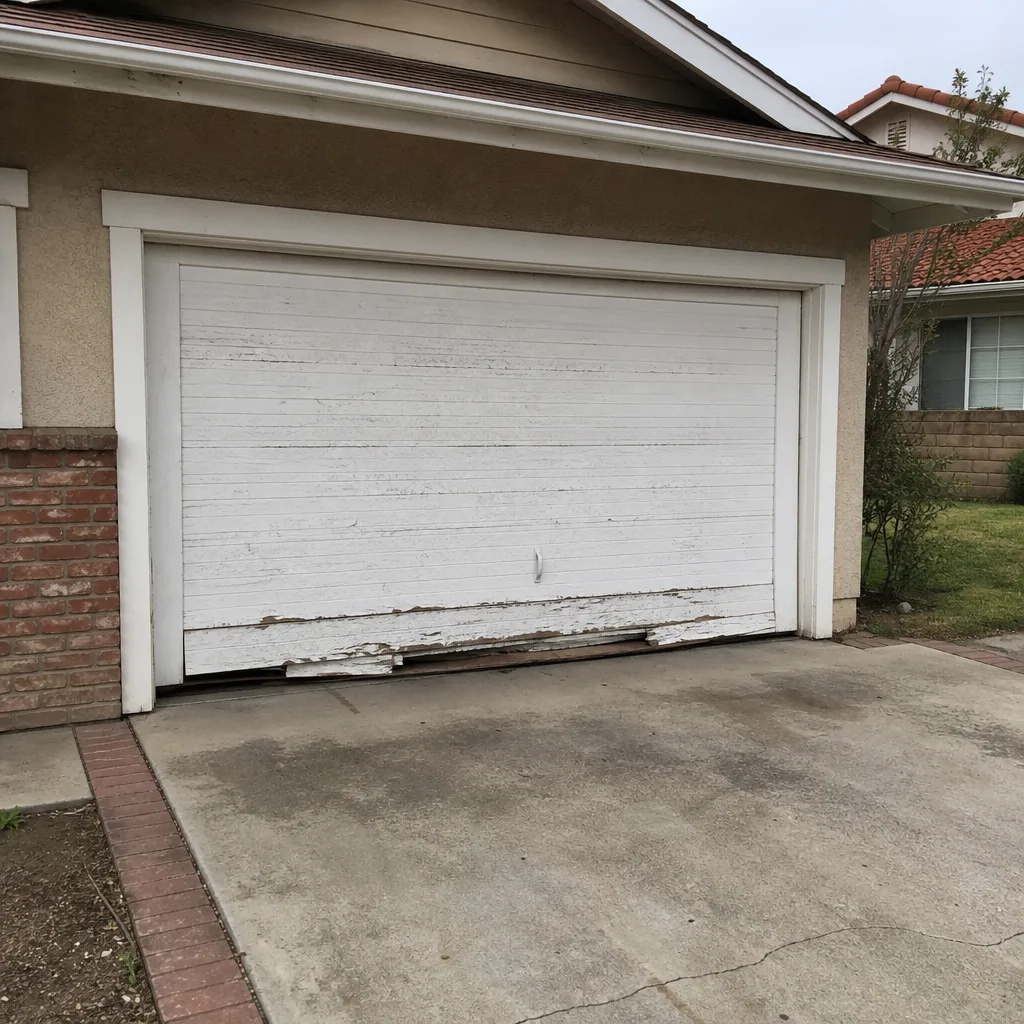 Before
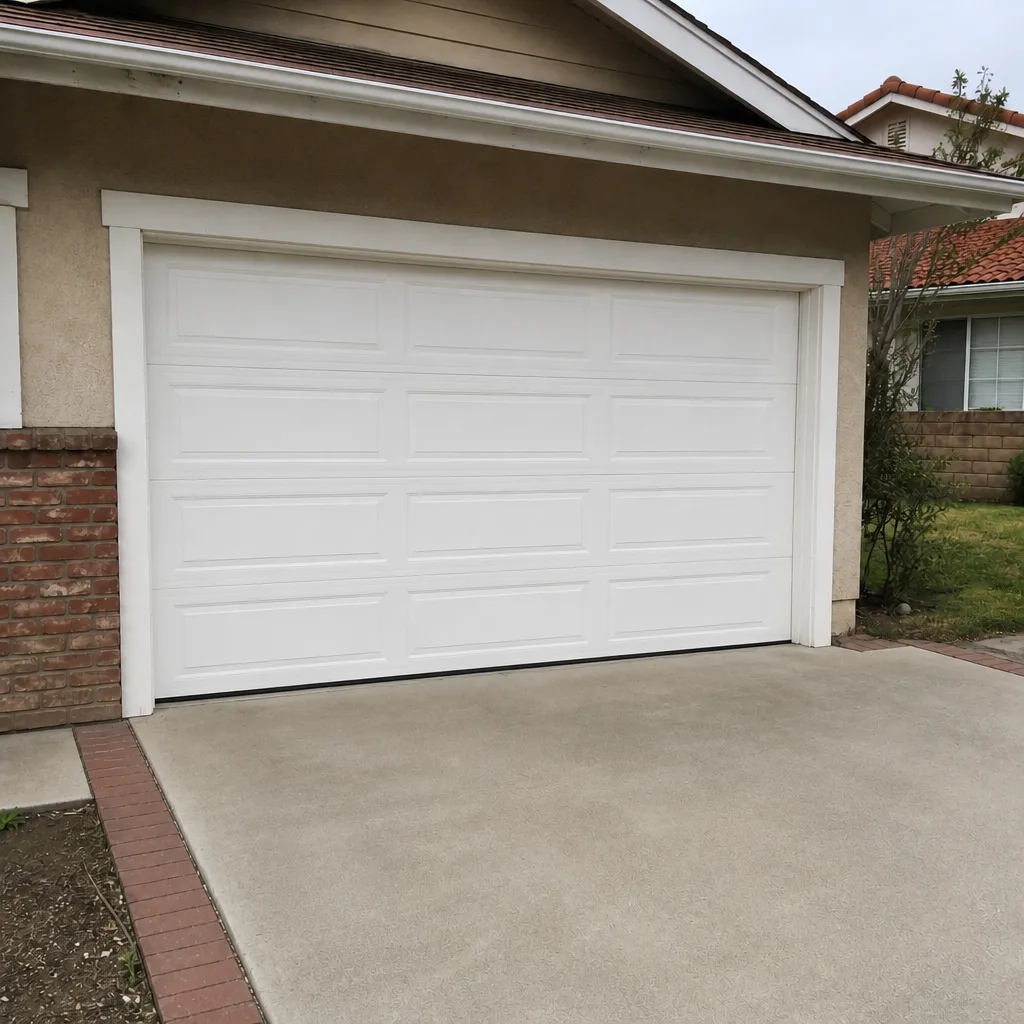 After
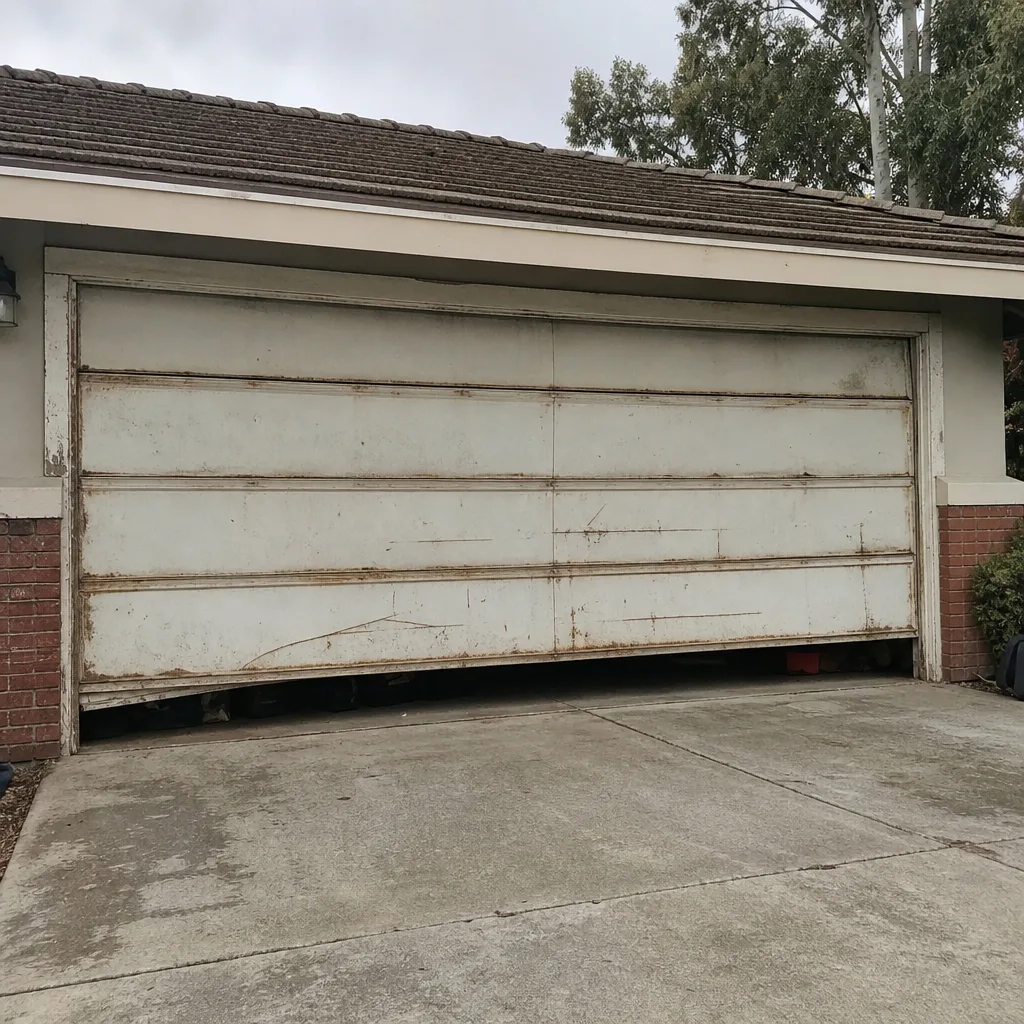 Before
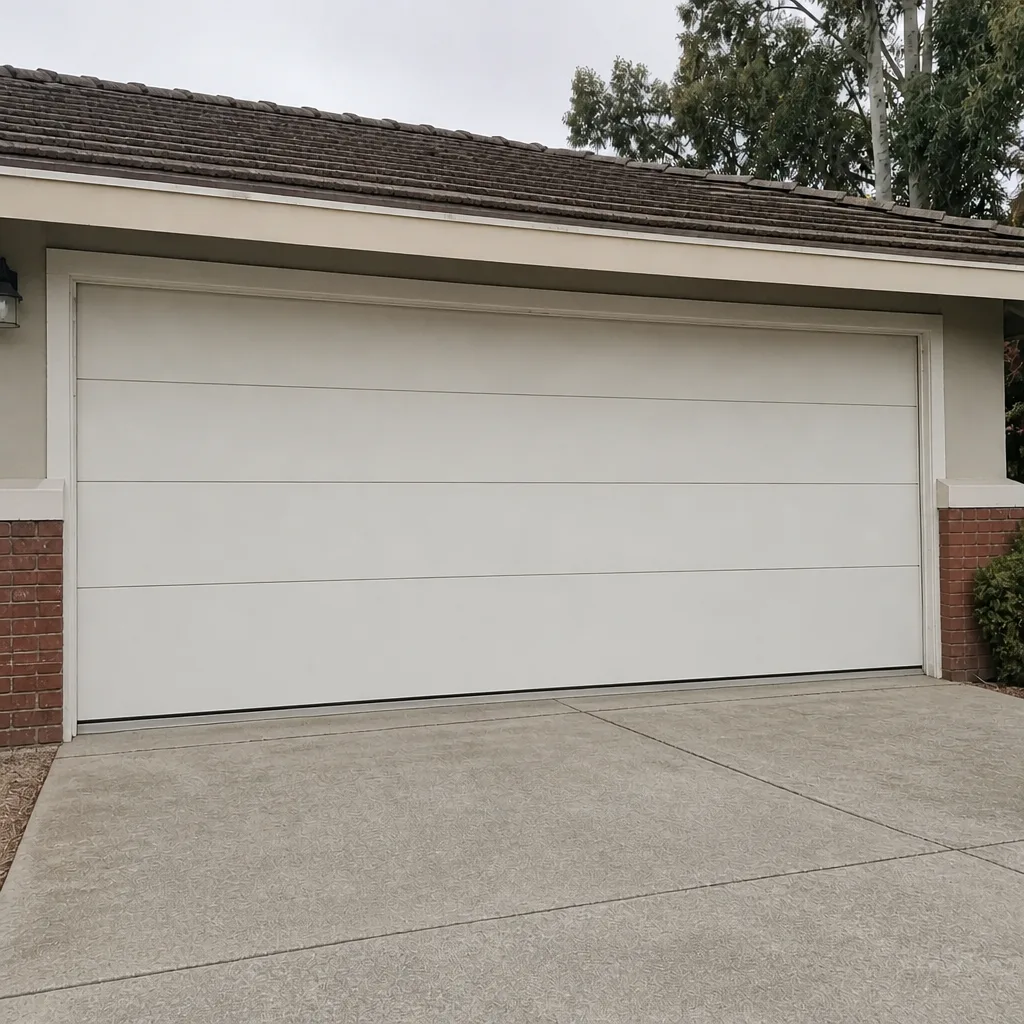 After
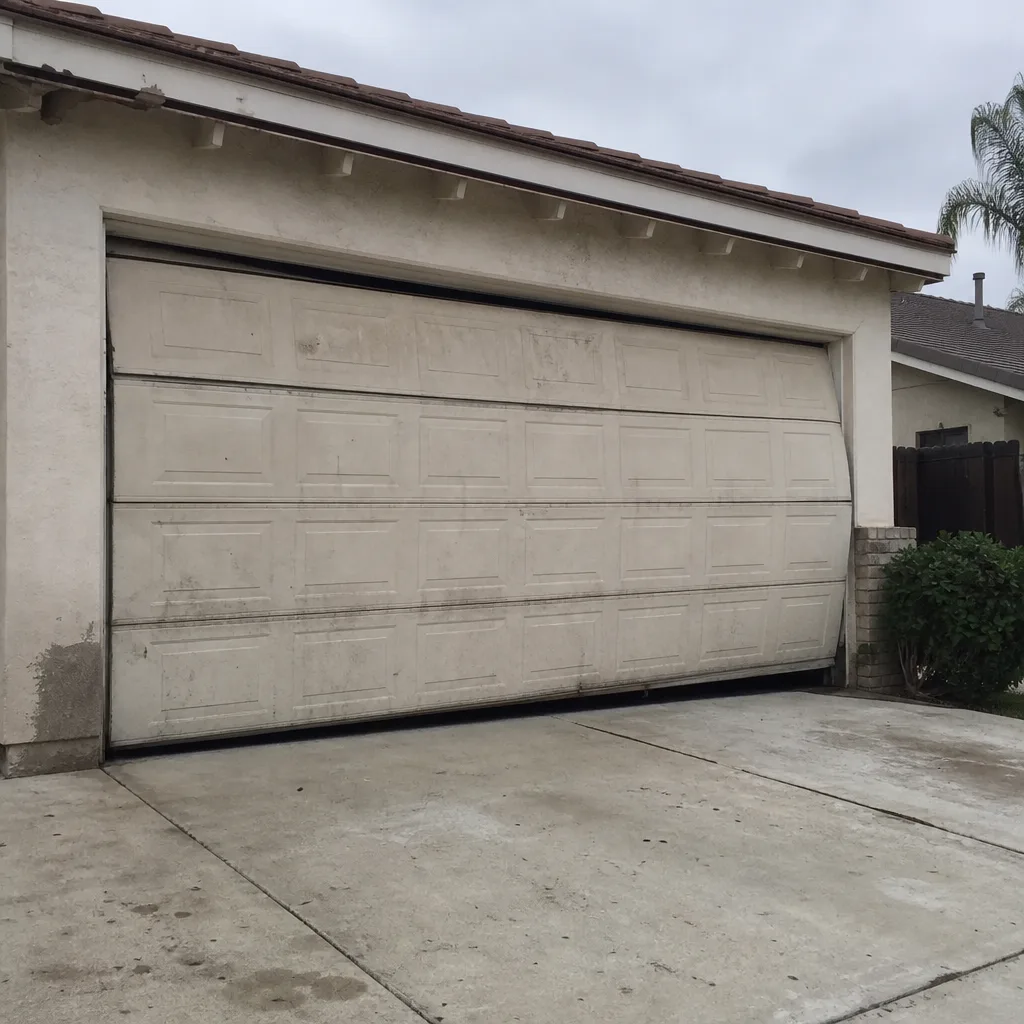 Before
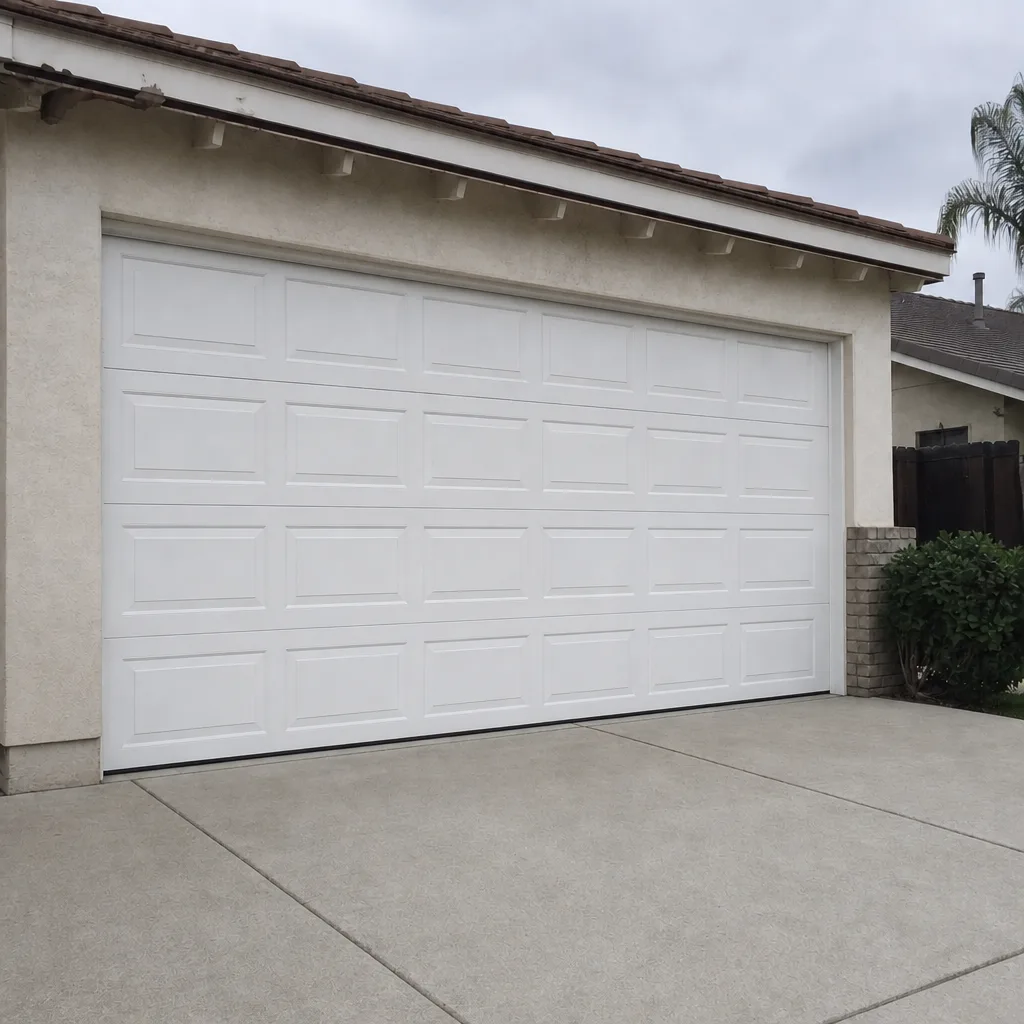 After
When to Call a Professional
Call a professional when the task involves torsion springs, lift cables, structural changes, or electrical diagnosis you’re not certain about. Also call when you’ve tried a safe DIY fix and the problem persists. A door that still sticks after you’ve cleaned the tracks, or an opener that keeps reversing after you’ve re-aimed the sensors, has a deeper problem. The sooner you get a diagnosis, the cheaper the fix usually is. Sierra Garage Door Service offers free estimates in Yorba Linda, and we handle garage door opener repair alongside spring work and full installations. Call (866) 282-5613 and tell us what you’re seeing. We answer 24/7. Fast dispatch from 7am to 7pm, Sunday through Friday.
Frequently Asked Questions
You technically can, but you should not. Torsion springs store enough energy to cause serious injury if a winding bar slips, and proper winding bars are not common household tools. A professional replacement typically costs $180 to $340 for a pair, and the labor you’re paying for is the safe handling of stored energy. Call (866) 282-5613 for a free estimate on your specific door.
Weatherstripping replacement, remote programming, track cleaning, panel painting, and roller lubrication are all safe for a capable homeowner. None of these tasks involve stored mechanical energy or structural changes, and mistakes are inexpensive to correct.
Simple repairs like weatherstripping or sensor realignment often run $120 to $180. Spring replacement typically runs $180 to $340 for a pair. Opener replacement varies by model but usually falls in the $350 to $700 range including labor. The written estimate we provide before work begins is the price you’ll pay. Call (866) 282-5613 for an exact quote on your door.
It can, depending on the manufacturer’s language. Many brands require professional installation and repair as a condition of warranty coverage, especially for springs and cables. Check your warranty document for words like “qualified technician” or “professional installation” before you start any repair on a warranted door.
Replacing springs, cables, rollers, openers, or panels usually does not require a permit. Structural changes like widening an opening or replacing a header beam do. The city’s building department can confirm the requirements for your specific project before you start.
Partial DIY means you handle the safe preparation and finish work while a technician handles the high-risk middle. For example, you might clear the work area and handle repainting and weatherstripping after a professional replaces cables or springs. This splits the job so you save time and money without touching dangerous components.
The Bottom Line
The DIY decision is about risk, not skill. Safe tasks like weatherstripping, painting, and remote programming reward a hands-on Yorba Linda homeowner with real savings and zero danger. Spring work, cable replacement, and structural changes carry consequences that YouTube tutorials consistently understate. Between those ends sits partial DIY, where you handle the easy parts and a technician handles the dangerous middle. Read your warranty before you start. Check with the city before you alter structure. And when the task involves stored energy, call a professional.
Written by the team at Sierra Garage Door Service, serving Yorba Linda since 2014.