
Last updated November 4, 2026
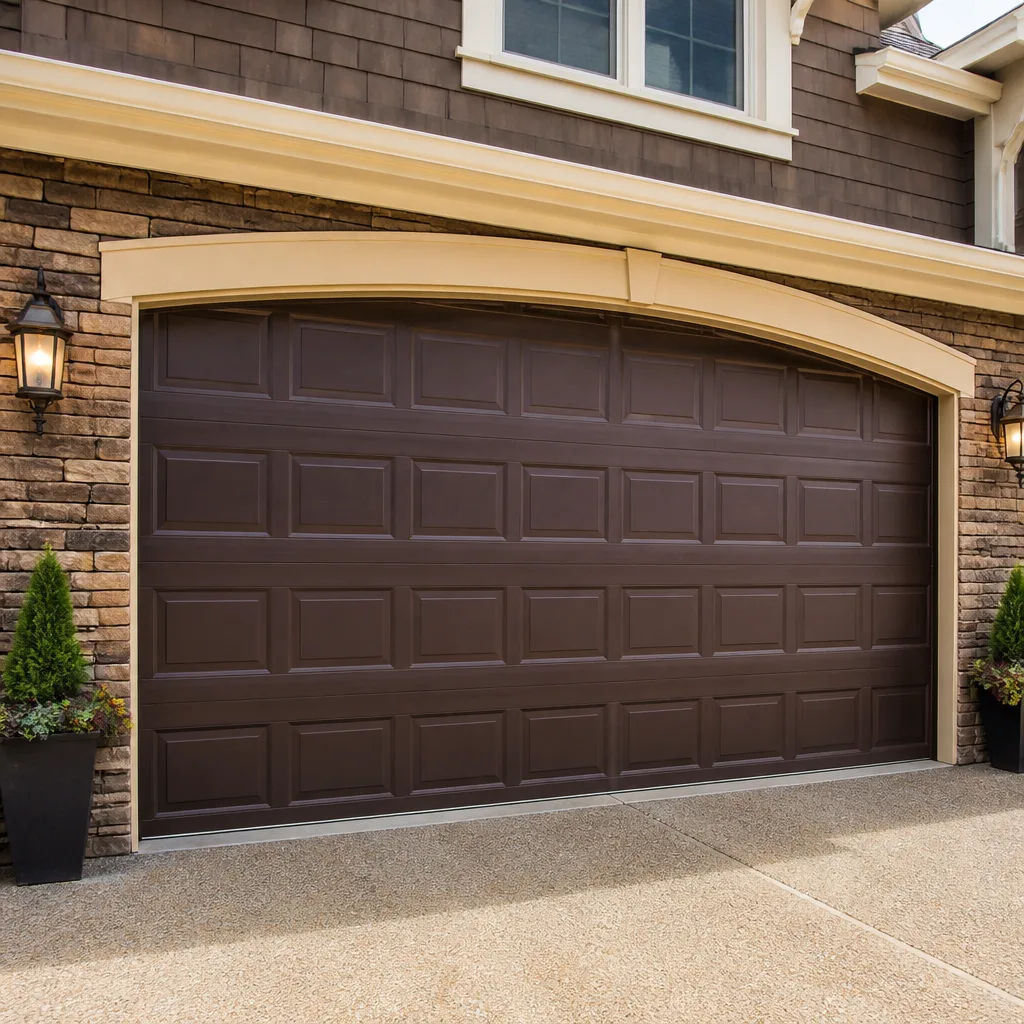 Raised-panel steel
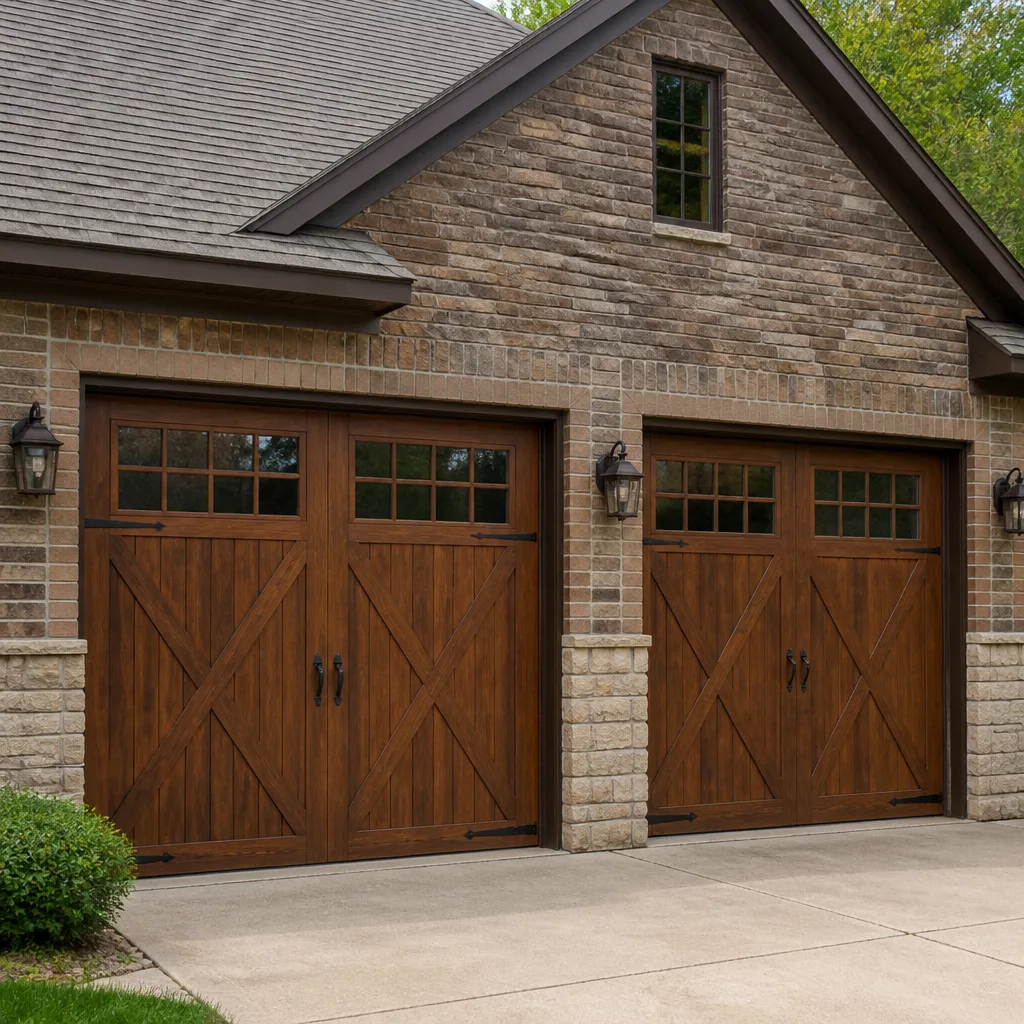 Carriage house
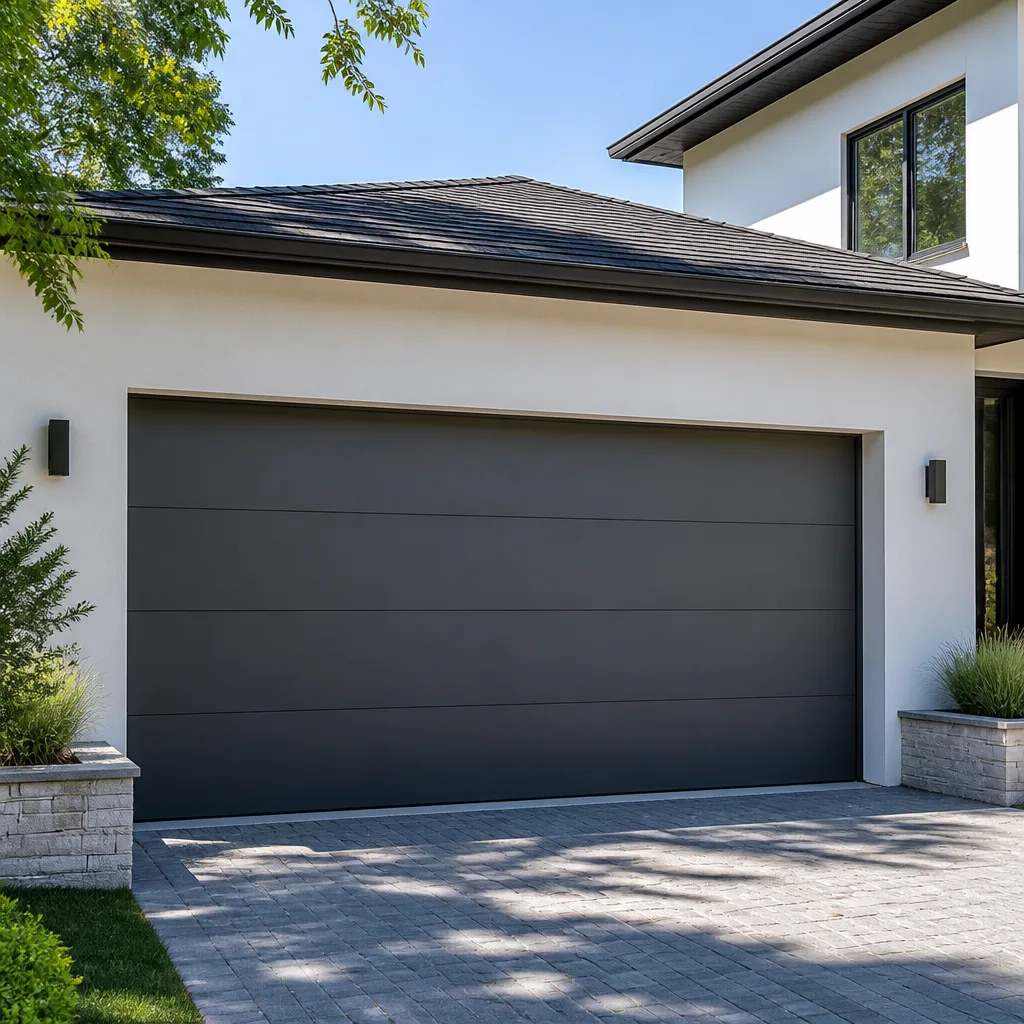 Modern flush
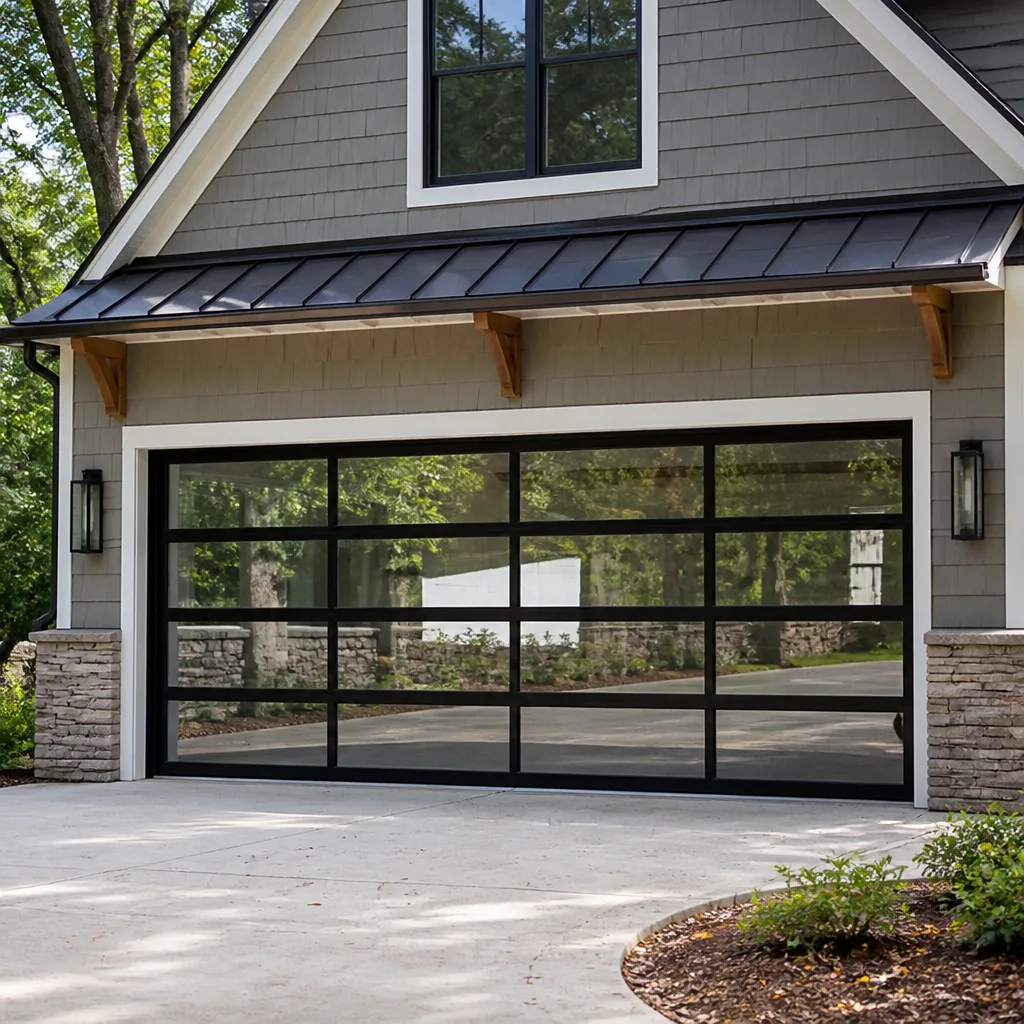 Full-view glass
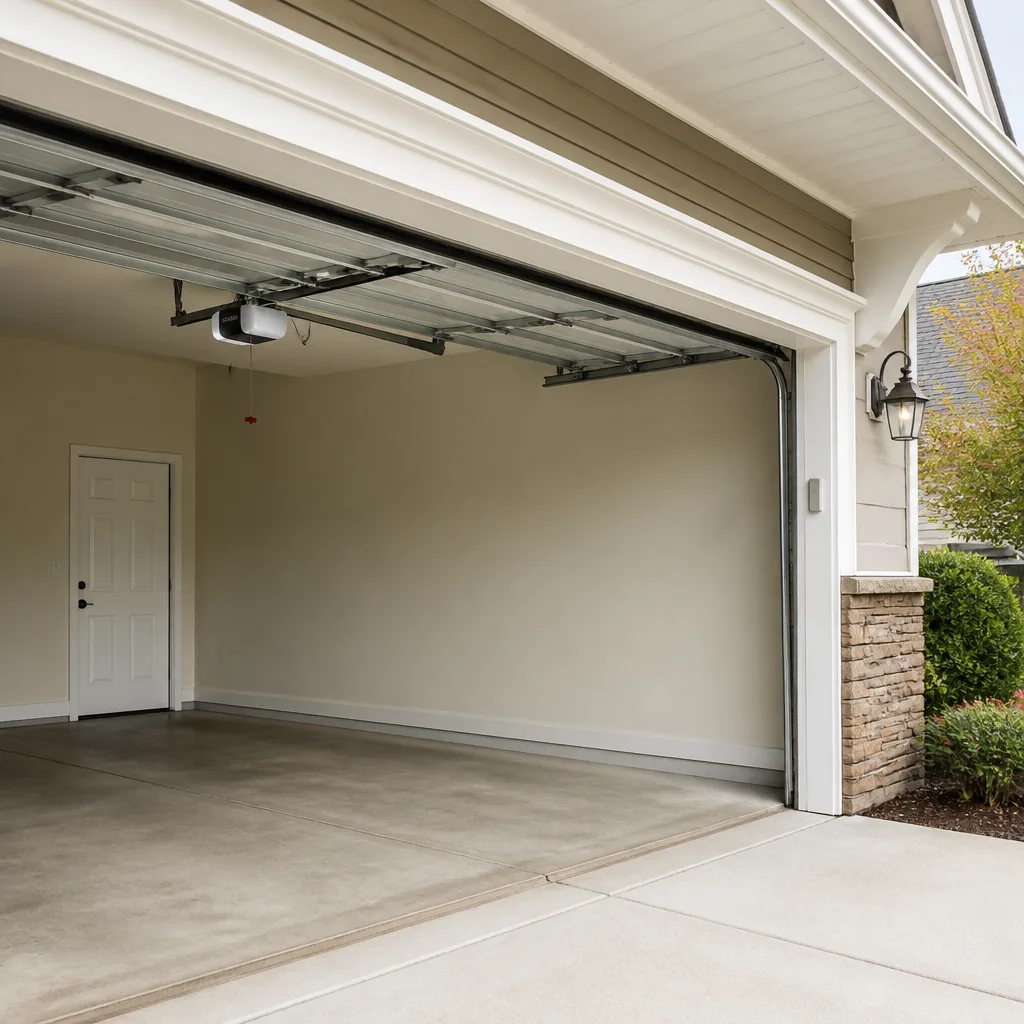 LiftMaster openers
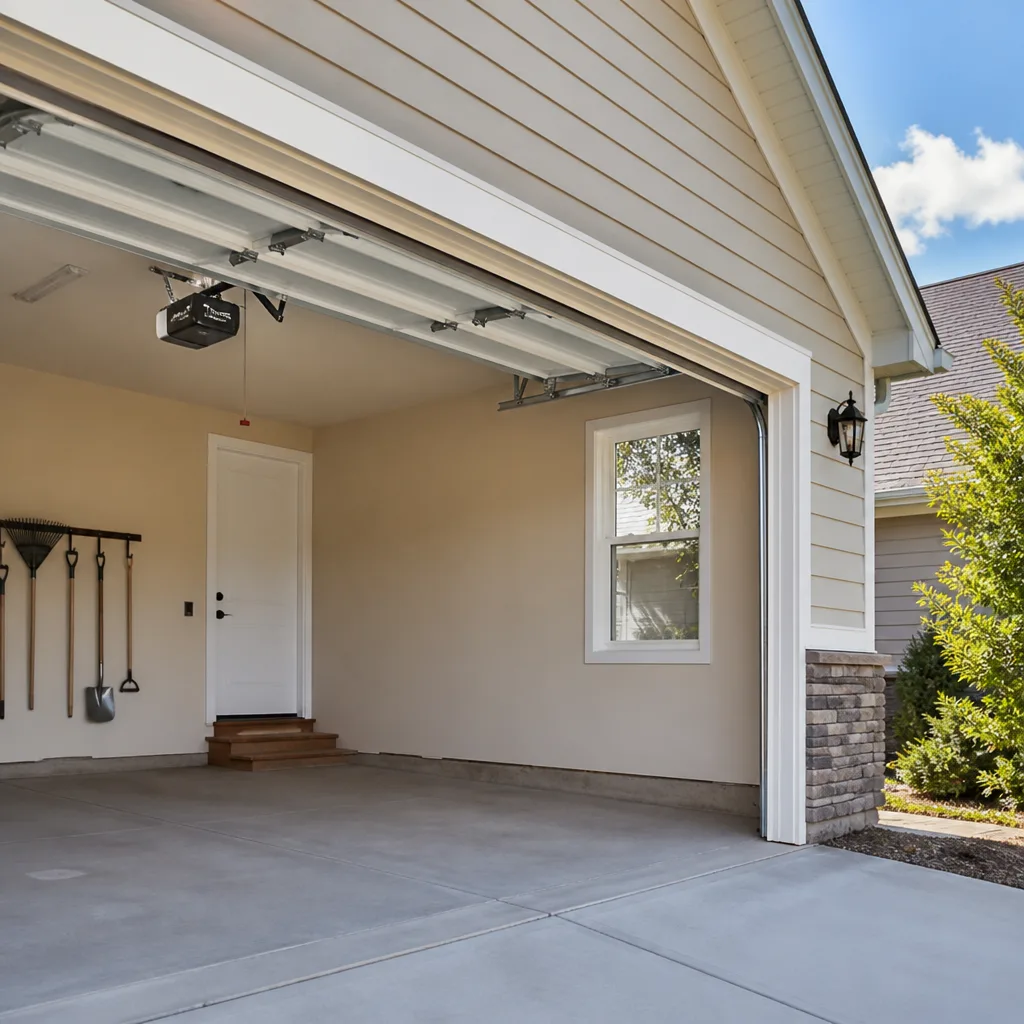 Chamberlain openers
Full 25-point door and opener safety check with every visit - springs, cables, rollers, tracks, and your LiftMaster or Chamberlain opener included
You get a price before we start. It does not change when the truck arrives.
Get your free estimateGarage Door Emergency Preparedness Guide for Yorba Linda Homes
Most Yorba Linda homeowners can operate their garage door opener from the driveway, but far fewer can explain what to do when the power dies, the tracks shift, or the door refuses to close before the winds pick up. Emergency preparedness isn’t about memorizing a manual. It’s about recognizing the two or three failure points that actually matter and knowing the ten-second responses that prevent a bad situation from becoming a dangerous one. This guide walks through those scenarios step by step, with specific attention to the conditions we see in Yorba Linda: Santa Ana wind events, occasional seismic activity, and the quiet assumption that a garage door that has worked for years will keep working.
Quick Answer
Garage door emergency preparedness in Yorba Linda comes down to three things: knowing how to operate the manual release cord safely, knowing what to check after an earthquake or power outage before you touch the opener, and having the right door and opener information ready when you call for service. The single most overlooked step is checking spring tension before pulling the red release cord, because a door with a broken spring will slam down when the opener disengages.
Styles & brands we work with
- Raised-panel steel
- Carriage house
- Modern flush
- Full-view glass
- LiftMaster openers
- Chamberlain openers
Table of Contents
- The Manual Release: What to Do Before You Pull the Cord
- Battery Backup Openers and Santa Ana Power Outages
- Post-Earthquake Inspection: Tracks, Springs, and Header Bracket
- Door Stuck Open: Temporary Security Measures
- Emergency Contact Preparation: What the Technician Needs to Know
- Seasonal Readiness for Yorba Linda’s Fire and Wind Season
- Common Mistakes to Avoid
- When to Call a Professional
- Frequently Asked Questions
The Manual Release: What to Do Before You Pull the Cord
Every garage door opener installed in the last several decades has a red release cord hanging from the trolley or rail. That cord disconnects the door from the opener carriage so you can lift the door by hand. It’s the first tool in any power outage, and it’s also the most commonly misused.
Here’s the sequence we recommend to Yorba Linda residents, and the order matters:
- Check the spring first. Stand inside the garage and look above the closed door. Torsion springs run horizontally on a bar above the opening. Extension springs run vertically along the horizontal tracks. If you see a visible gap in the coil, the spring is broken and the door’s full weight is unsupported. Do not pull the release cord in that state. A door with a broken spring can drop hard enough to injure you or damage the floor and panels.
- Close the door fully if the power is still on. A door that’s already down is the safest starting point. If the opener still works, close it before pulling the cord. If the power is already out and the door is closed, you’re in the best position.
- Pull the red cord firmly toward the door, not sideways. You’ll hear a click when the carriage releases from the rail. Some openers have a small locking mechanism on the trolley; the pull disengages it.
- Test the door by hand. Lift it about waist height and let go. A properly balanced door stays put. If it drops quickly, there’s a spring or cable problem, and you should not operate it manually.
- Open or close the door slowly, with both hands on the handle or bottom edge. If the door is open when the power comes back, be aware that the opener carriage may not automatically re-engage until you pull the cord again or the carriage locks back in on its next cycle.
The key point that gets skipped: the spring tension check must happen before the cord pull, not after. A red cord is not a cure for a broken spring. We’ve seen Yorba Linda garages where a homeowner pulled the cord during a power outage, the door dropped instantly, and the panel cracked on the concrete. The fix was a garage door repair that could have been limited to the spring if the door had stayed down.
Battery Backup Openers and Santa Ana Power Outages
Santa Ana wind events are the most predictable cause of power loss in Yorba Linda. Southern California Edison’s public safety power shutoffs and wind-related line damage happen often enough that a battery backup opener is no longer a luxury item. The question is which units actually work when the power cuts, and for how long.
LiftMaster, Chamberlain, and Genie all manufacture openers with integrated battery backup or as an add-on for certain models. A typical battery backup unit provides enough power for 20 to 50 full open-close cycles, depending on the model. That’s usually sufficient for several days of normal use during an outage, assuming the battery is healthy and charged. The batteries are rechargeable and designed to stay topped off while the opener has wall power.
What matters for Yorba Linda specifically is the heat. Batteries degrade faster in garages that reach consistent high temperatures through late summer and early fall. A battery that’s three or four years old may hold far less than its rated capacity. If you rely on a backup opener for evacuation routes or daily access during a shutoff, check the battery annually and replace it when the opener’s indicator light shows a fault or the unit runs slower. Craftsman and Raynor openers also have battery backup options on select belt and chain drive models, so brand coverage exists across most of the major manufacturers.
One clarification: a battery backup does not help a door that is off its tracks. It only powers the opener motor, so the door must be mechanically sound. If the door is stuck or the spring failed, the backup battery won’t move it. The manual release process above is still the fallback.
Post-Earthquake Inspection: Tracks, Springs, and Header Bracket
Yorba Linda sits in a seismically active zone. Minor and moderate quakes are a genuine risk, and the garage door is often one of the first places movement shows up. Steel tracks can shift, bolts can loosen, and the header bracket above the door can pull away from the wall framing. After any shaking strong enough to make you pause, check the door before using it.
Here’s the protocol we recommend:
- Look at the door from inside the garage. Is it still seated evenly in the opening, or does one side sit lower than the other? A visibly tilted door means a cable has likely slipped or a bracket shifted.
- Inspect both vertical tracks. Run your hand along each track from floor to ceiling. Look for gaps between the track and the wall mounting brackets, bent sections, or debris that fell into the track.
- Check the header bracket. This is the steel plate above the center of the door where the opener rail attaches. Look for cracked drywall around it, visible movement, or bolts that appear to have pulled outward. Do not operate the door if the header bracket shows any movement.
- Examine the torsion springs above the door. Look for gaps in the coil, a slight sag in the middle of the bar, or one spring that looks different from the other. A spring that slipped off its cone is a visible failure.
- Run the door one full cycle and listen. If the opener labors, grinds, or the door shudders, stop and leave it closed. Grinding often indicates a roller or track problem.
If the door binds mid-cycle after a quake, lower it and leave it. Continuing to run a door with shifted tracks bends the track sections further and can strip the opener gears. A far smaller issue becomes a replacement job when the door is run ten more times. Sierra Garage Door Service has worked on doors in Yorba Linda where the quake moved the track less than half an inch, but that half inch was enough to pop a roller out of the track on the next cycle.
Door Stuck Open: Temporary Security Measures
A garage door stuck open is a different problem than a door stuck closed. You can still drive out, but the house is exposed. If the door fails in the open position and a technician can’t arrive until later, you need a way to keep the garage entry secure without damaging the door hardware.
The first step is identifying why it’s stuck. A door that stopped midway up and won’t move with the opener usually has a broken spring, a snapped cable, or a track obstruction. A door that opens but won’t close usually has a misaligned safety sensor, a limit setting problem, or an obstruction blocking the sensor beam.
For temporary security:
- Close the interior door between the garage and the house and lock it. This is the most important step. The garage itself is a shell; the entry door is the real security boundary.
- Unplug the opener if the door is being held open by the motor. Some openers will attempt to close and reverse repeatedly, which drains the unit and risks burning out the motor.
- Use four-by-fours or heavy wooden blocks to brace the door in place if it’s partially open. Do not wedge anything into the tracks. Sit the blocks under the bottom edge of the door, not against the rollers or cables.
- Remove vehicles and secure anything valuable from the garage. An open door is an invitation. Bring tools, bikes, and anything portable into the house.
- If the door is fully open and won’t move, do not attempt to force it down with a strap or ratchet tie-down. That loads the tracks and cables in ways they weren’t designed for and can cause the door to come off its tracks entirely.
The goal is to protect the house until the door is repaired, not to make the door work. A garage door opener repair on a motor that got forced into repeated cycles is sometimes avoidable if the opener is unplugged early. The door hardware usually survives a stuck-open event. The opener is the component most at risk.
Emergency Contact Preparation: What the Technician Needs to Know
When you call a garage door company during or after an emergency, the first call sets the tone for how fast the problem gets solved. A technician who knows the door brand, opener brand, and spring type can bring the right parts on the first trip. A technician who doesn’t gets a diagnostic visit plus a parts run, and you wait twice.
Here’s what to record now, while the door is working:
- Door brand and model. The brand is usually printed on the inside of the door, often on a sticker near the bottom panel or on the lock assembly. Clopay, Amarr, Wayne Dalton, and others stamp their name somewhere accessible. We service all of them.
- Opener brand and model. The opener unit itself has a label on the side. LiftMaster and Chamberlain are the most common in Yorba Linda, but Genie, Craftsman, and Raynor all appear regularly.
- Spring type. Torsion springs run above the door; extension springs run along the side tracks. A quick note like “two torsion springs, roughly 22 inches each” saves real time.
- Door material and approximate size. Steel, aluminum, or wood; 16 feet wide by 7 feet high is the standard for a two-car garage in Yorba Linda, but some homes have 8-foot doors or custom openings.
- A recent photo of the spring area and the opener. Keep it on your phone. When the failure happens, a picture communicates more in three seconds than a descriptive paragraph.
Having this information ready also means you can answer a technician’s questions over the phone without standing in the dark garage with a flashlight and guessing. That matters at 6 a.m. when the door won’t open and the day is already behind schedule.
Seasonal Readiness for Yorba Linda’s Fire and Wind Season
Every fall, Yorba Linda enters the stretch that makes it different from coastal Orange County: hot, dry winds and wildfire evacuation orders. From September through December, the garage door is a critical piece of evacuation infrastructure. A door that won’t open is the difference between a smooth exit and a frantic scramble.
Twice a year, in early fall and early spring, run through this checklist:
- Test the manual release. With the door closed, pull the cord and lift the door by hand. If it’s too heavy to lift easily, the springs need attention. If you can’t operate the release, you won’t use it during an evacuation.
- Check the safety sensors near the floor. Wipe the lenses. Dirt and spider webs cause false obstruction readings, which make the door refuse to close. That’s a nuisance most months and a hazard if it happens during a wind event.
- Inspect the weather seal at the bottom of the door. High winds push dust and embers under a garage door. A good seal reduces the amount of wind-blown material entering the garage during Santa Ana conditions.
- Listen to the opener. Grinding, rattling, or a motor that strains longer than it used to is an early warning. Opener problems don’t usually announce themselves the day before. They build over weeks.
- Note anything that changed since last season. A door that used to close smoothly and now hesitates at the bottom may have a track issue or a worn gear.
The logic here is simple: the same check that prepares a Yorba Linda home for fire season also prevents an ordinary midweek failure. Most garage door emergencies are not sudden. They’re neglected maintenance that finally crossed a threshold.
Common Mistakes to Avoid
- Pulling the release cord with the door open and a broken spring. The door will drop. Always check spring tension before the cord. This single mistake causes more injuries and panel damage than any other garage door error we see in Yorba Linda.
- Running the opener repeatedly after a track shift. Each cycle bends the track further and grinds the rollers. Stop after one bad cycle and leave the door alone.
- Lubricating the tracks with grease or motor oil. Tracks should stay dry. Oil and grease collect dust, especially during Santa Ana winds, and turn into a gritty paste that wears out rollers. Lubricate hinges, springs, and rollers with a silicone-based spray only.
- Using the garage door as the only entry point during an outage without testing the manual release beforehand. The red cord is the backup, and a backup that has never been tested is not a backup.
- Leaving the interior garage entry door unlocked because the big door is closed. The big door is not a security system. If the opener fails or the door is left open, the interior door is the last barrier.
- Assuming a battery backup opener means the door will work no matter what. The battery powers the motor, not the springs or tracks. Mechanical failures still stop the door.
- Waiting until the door fails to find a repair company. The conversation is better when it happens calmly. Having a number saved, or at least knowing where to find a local specialist, shortens the time between failure and fix.
When to Call a Professional
Some problems respond to a homeowner’s attention. Others require a technician who works on doors every day. Call a professional when a spring breaks, because the tension in a torsion spring can cause serious injury to someone who doesn’t know how to release it safely. Call when the door comes off its tracks, when a cable snaps, or when the opener makes a grinding noise and won’t move the door. Call when the header bracket moves, because that’s a structural failure, not a mechanical one. And call when you don’t know what’s wrong, but the door is behaving in a way it never did before.
Sierra Garage Door Service offers free estimates in Yorba Linda. We work on LiftMaster, Chamberlain, Genie, Clopay, Amarr, Wayne Dalton, Craftsman, and Raynor systems, so the brand on your door and opener is not a barrier to service. One call covers repair, openers, and full installation. Call (866) 282-5613. We answer 24/7. Fast dispatch from 7am to 7pm, Sunday through Friday.
Frequently Asked Questions
How do I open my garage door when the power is out in Yorba Linda?
Pull the red manual release cord hanging from the opener rail after you confirm the springs are intact and the door is closed. Then lift the door by hand. If the door is open when the power fails or the spring is broken, do not pull the cord. Call a technician instead.
Does a battery backup garage door opener work during a Santa Ana power shutoff?
Yes, a battery backup opener runs on its internal battery when wall power is cut, typically providing 20 to 50 open-close cycles per charge depending on the model. LiftMaster, Chamberlain, and Genie all offer battery backup units, and the batteries degrade faster in hot Yorba Linda garages, so annual testing is smart.
What should I check on my garage door after an earthquake?
Inspect both vertical tracks for gaps or bends, check the header bracket above the door for movement, look for split or sagging springs, and run the door one cycle while listening for grinding. If anything looks off, leave the door alone and call a garage door professional.
How can I secure my garage if the door is stuck open and the technician can’t arrive for hours?
Lock the interior entry door between the garage and the house, unplug the opener, remove valuables from the garage, and brace the door with wooden blocks under the bottom edge if it’s partially open. Do not force the door down with straps or rope, and never wedge anything into the tracks.
What information should I have ready when I call for emergency garage door service?
Have the door brand, opener brand, spring type, door size, and a recent photo of the spring area and opener ready. That lets the technician bring the right parts on the first visit instead of diagnosing, leaving for parts, and returning.
How much does emergency garage door repair cost in Yorba Linda?
A broken torsion spring on a typical Yorba Linda two-car garage door generally runs $180 to $340 per spring, and matched pairs are usually replaced together, so a pair often costs $360 to $680. Replacing a garage door opener typically runs $450 to $900 installed. Cable and track repairs usually fall between $150 and $350. The written estimate sets the final price, and the price is agreed before any work starts. Call (866) 282-5613 for an exact quote. Estimates are free.
The Bottom Line
Emergency preparedness for a Yorba Linda garage door is not about having every tool and part on hand. It’s about knowing the three failure modes that actually happen here: power loss during Santa Ana events, track movement after seismic activity, and a door that gets stuck open at the worst possible time. The manual release cord is your primary tool, and its safe use depends on spring tension. The information you record today determines how quickly a repair happens tomorrow. Test the release, check the battery, inspect the hardware after every quake, and know who you’re going to call before you need them. That’s the difference between a bad morning and a manageable one.
Written by the team at Sierra Garage Door Service, serving Yorba Linda since 2014.
See the difference
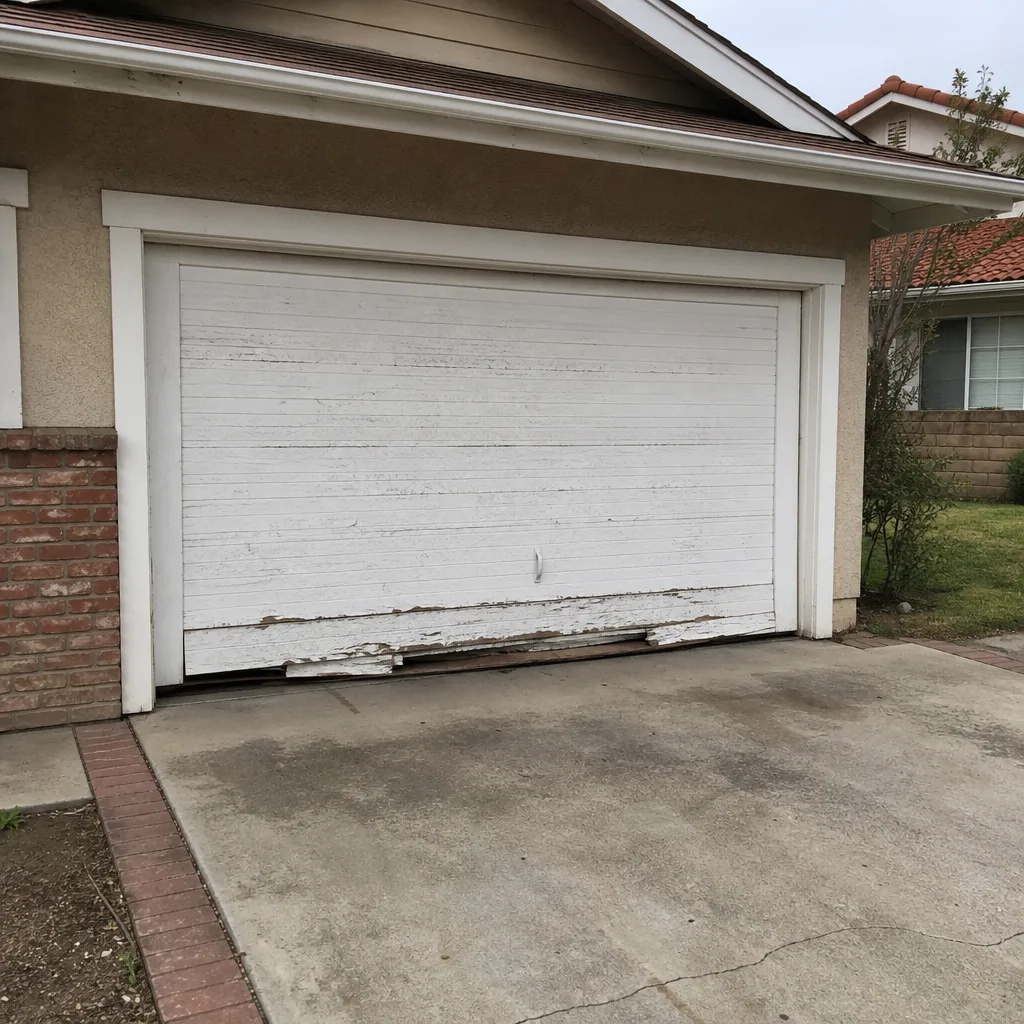 Before
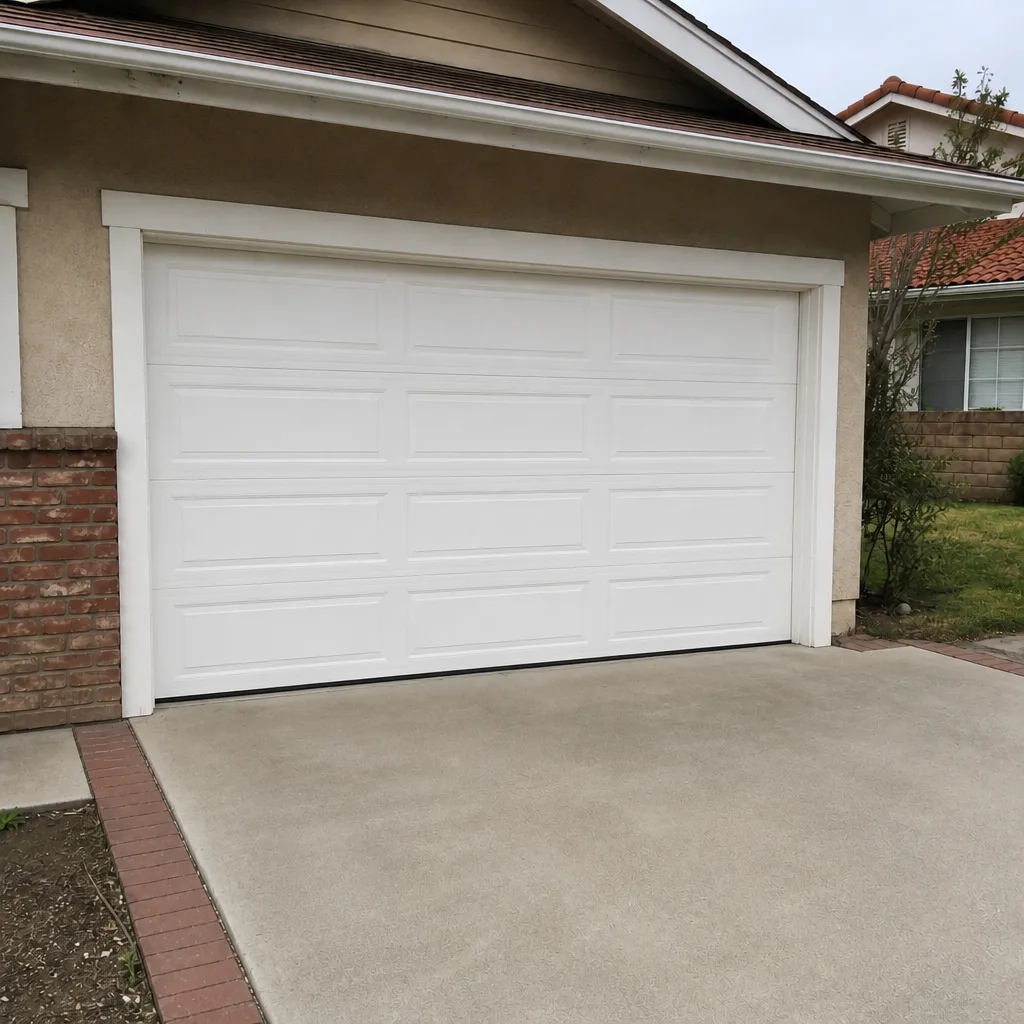 After
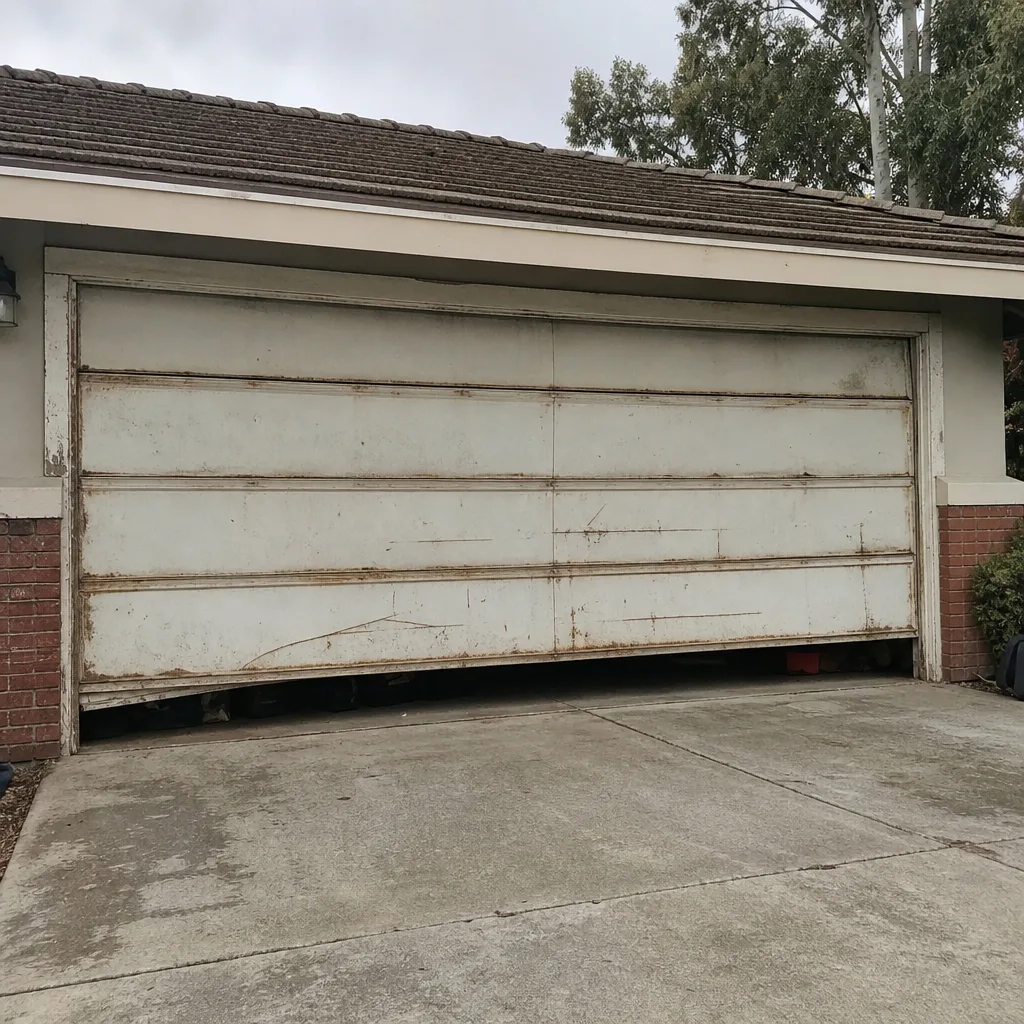 Before
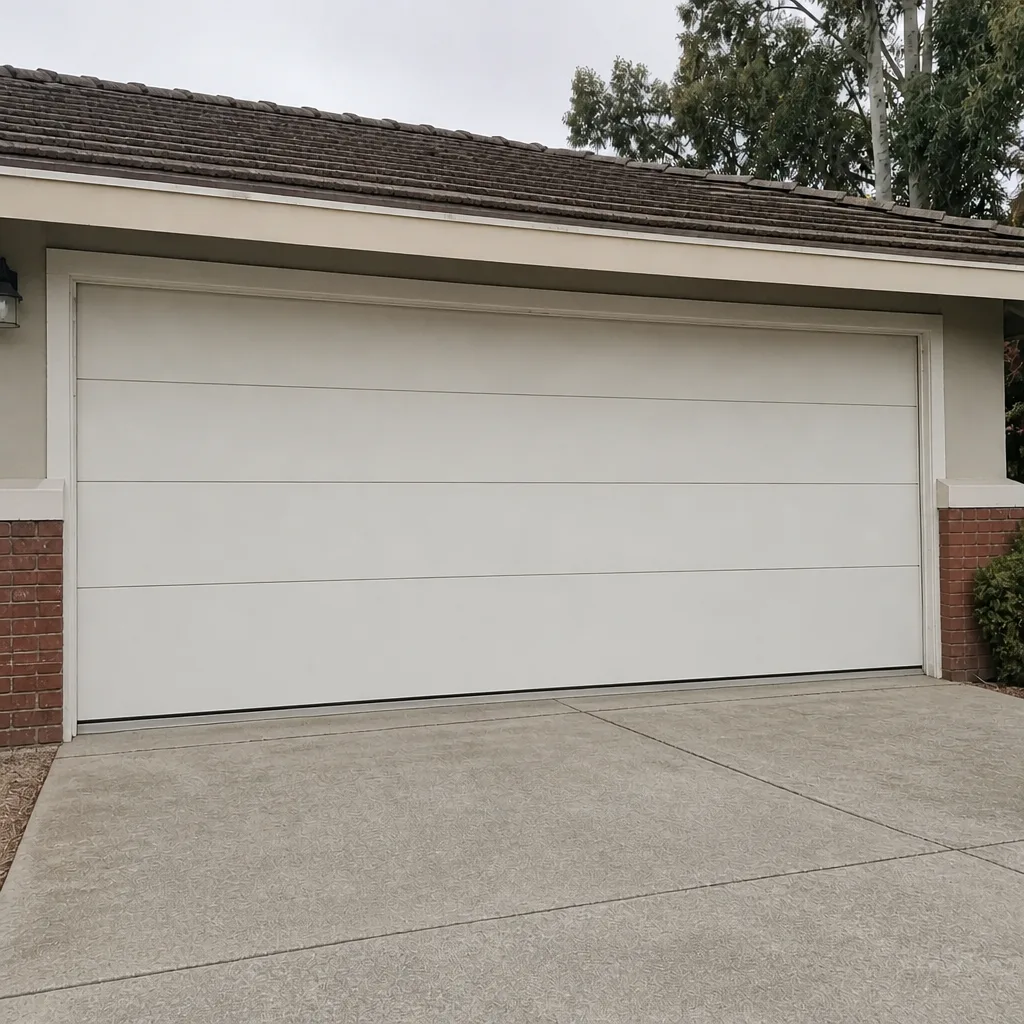 After
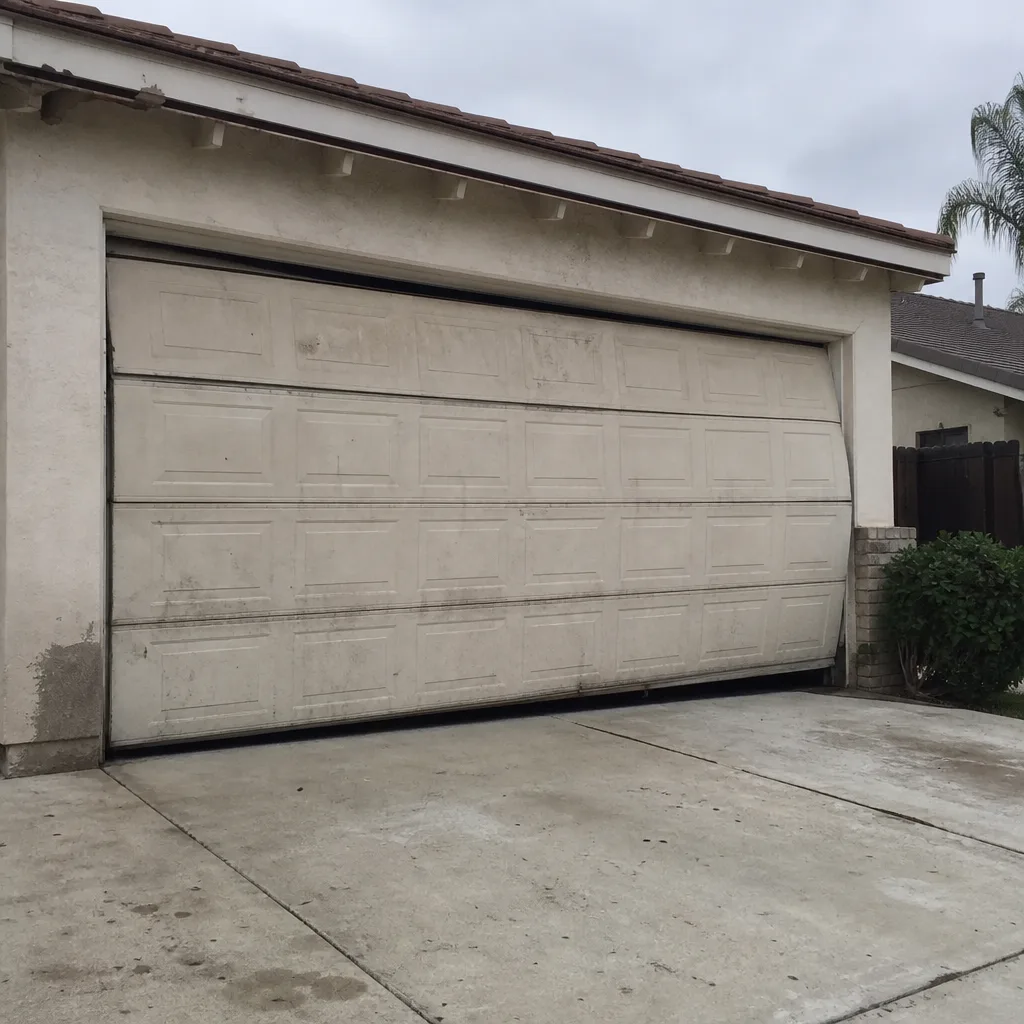 Before
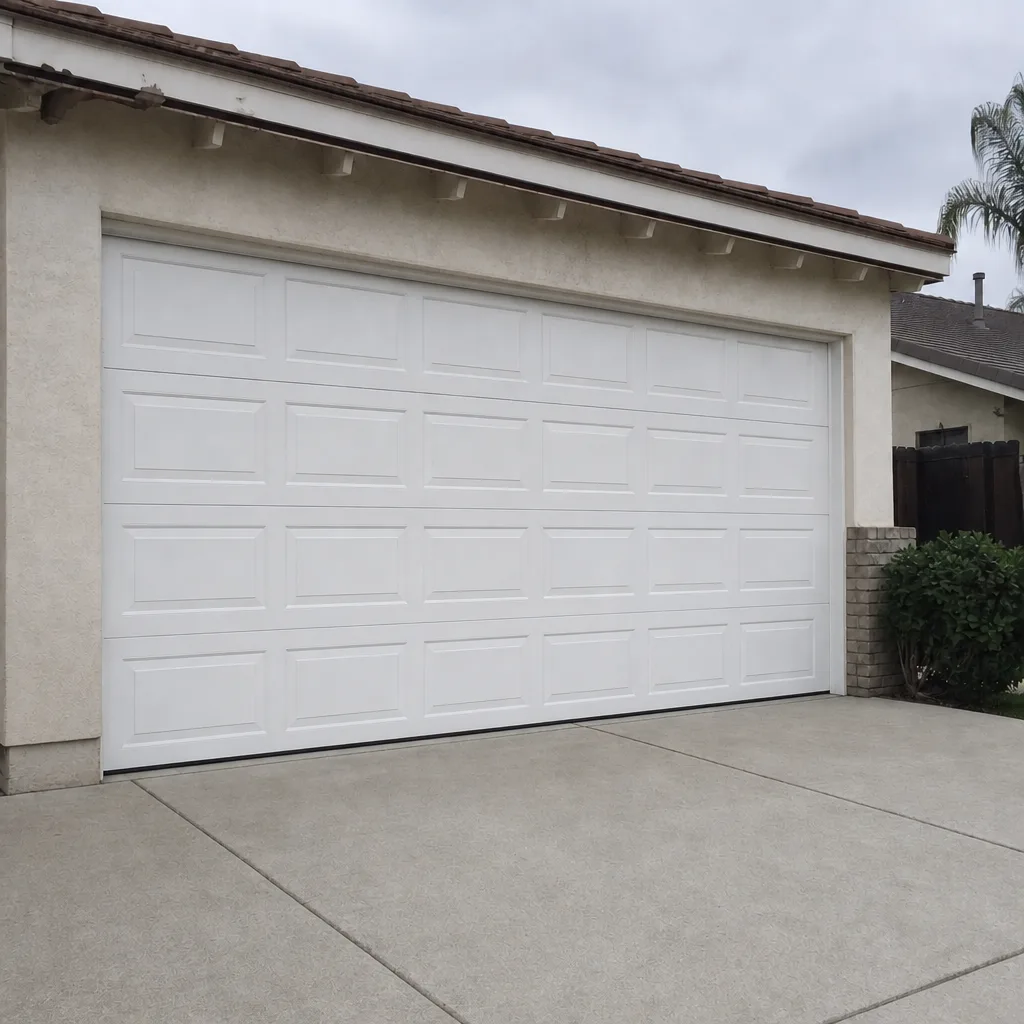 After