
Last updated November 4, 2026
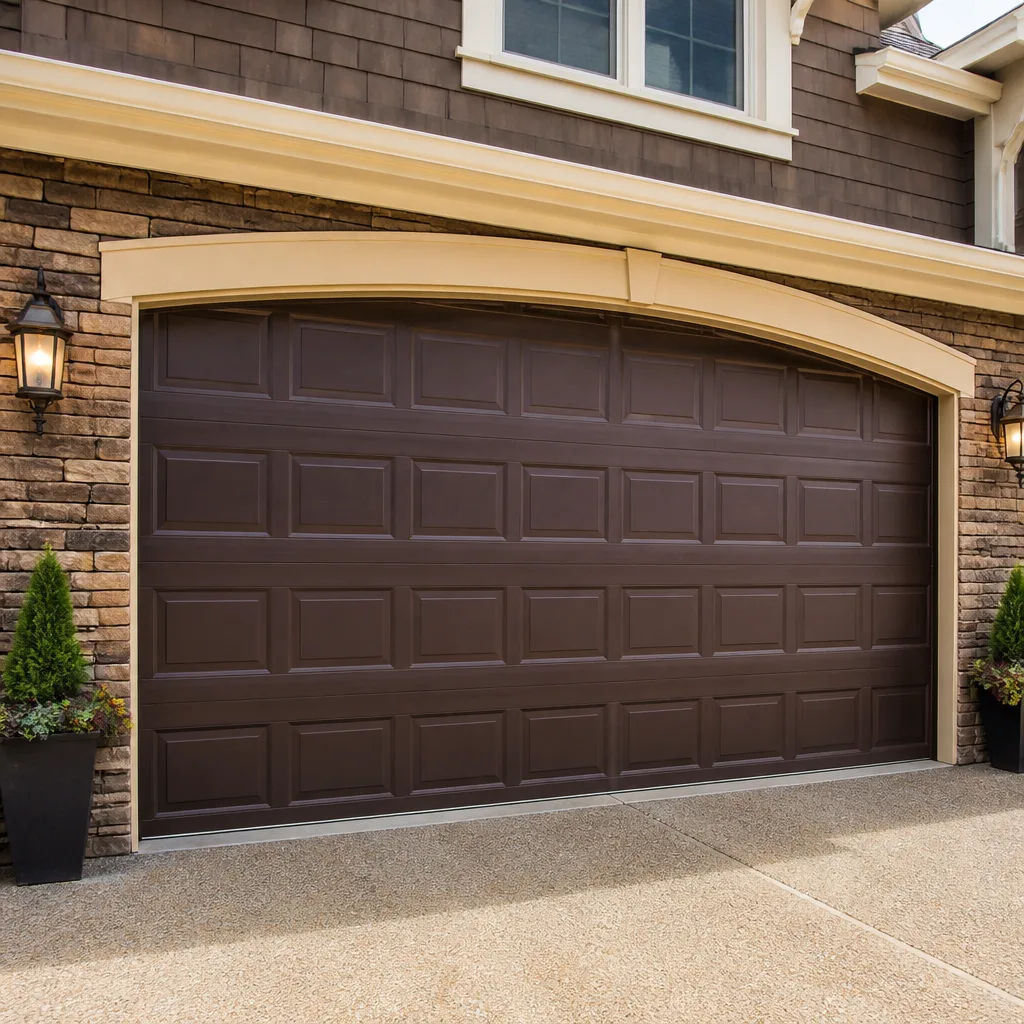 Raised-panel steel
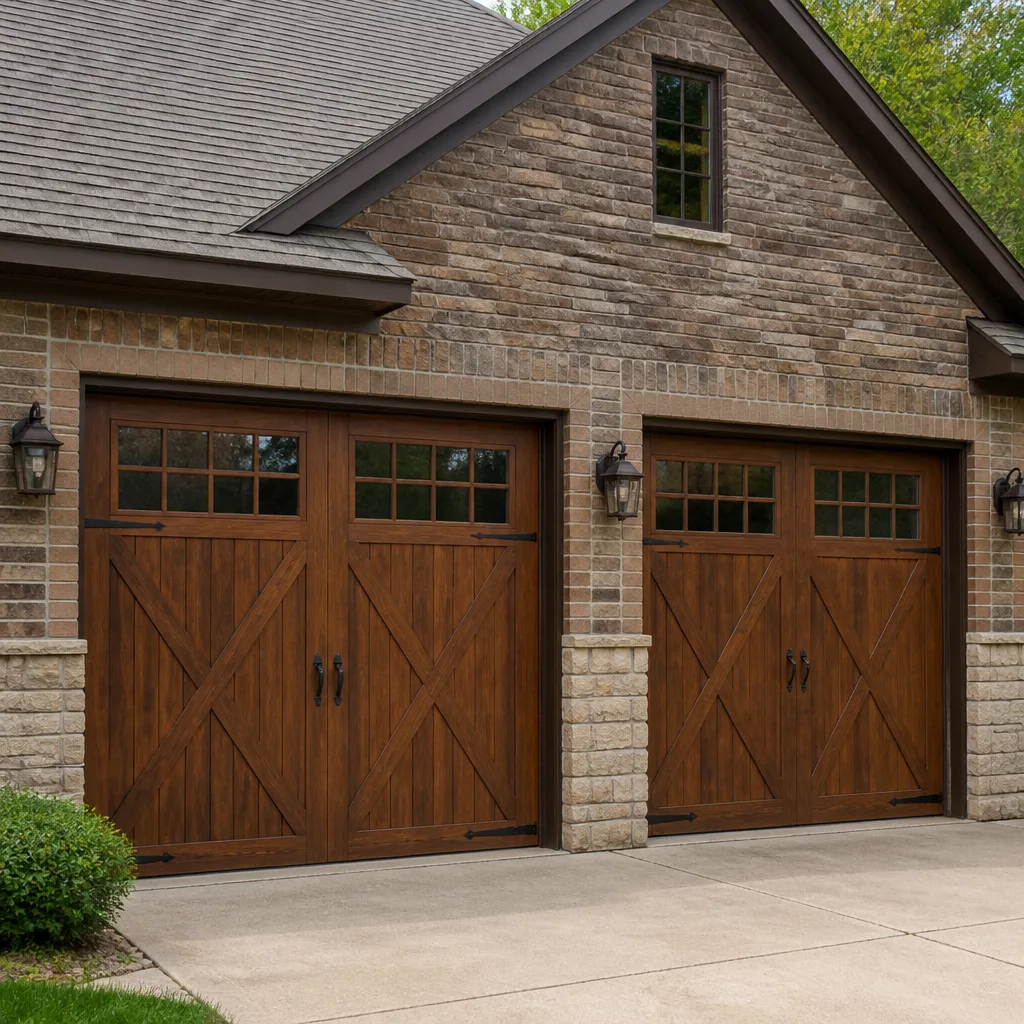 Carriage house
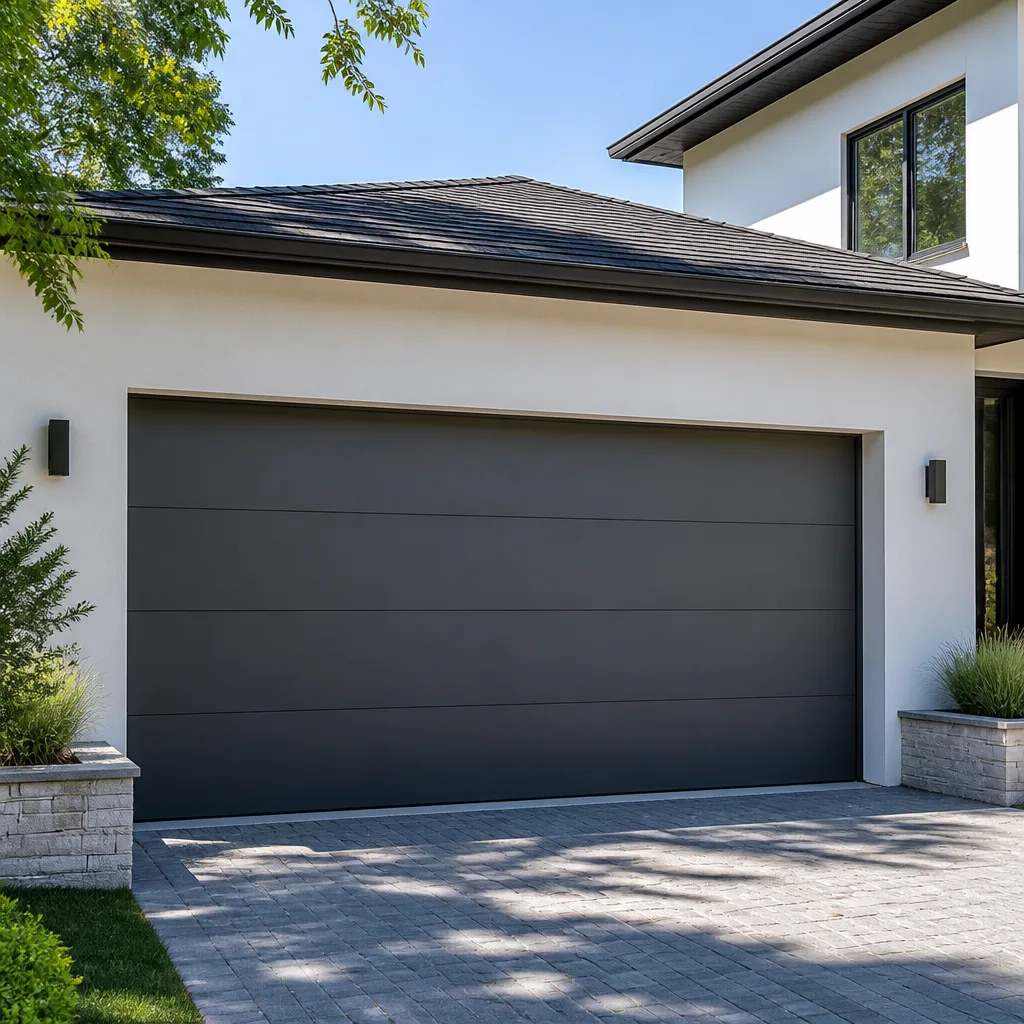 Modern flush
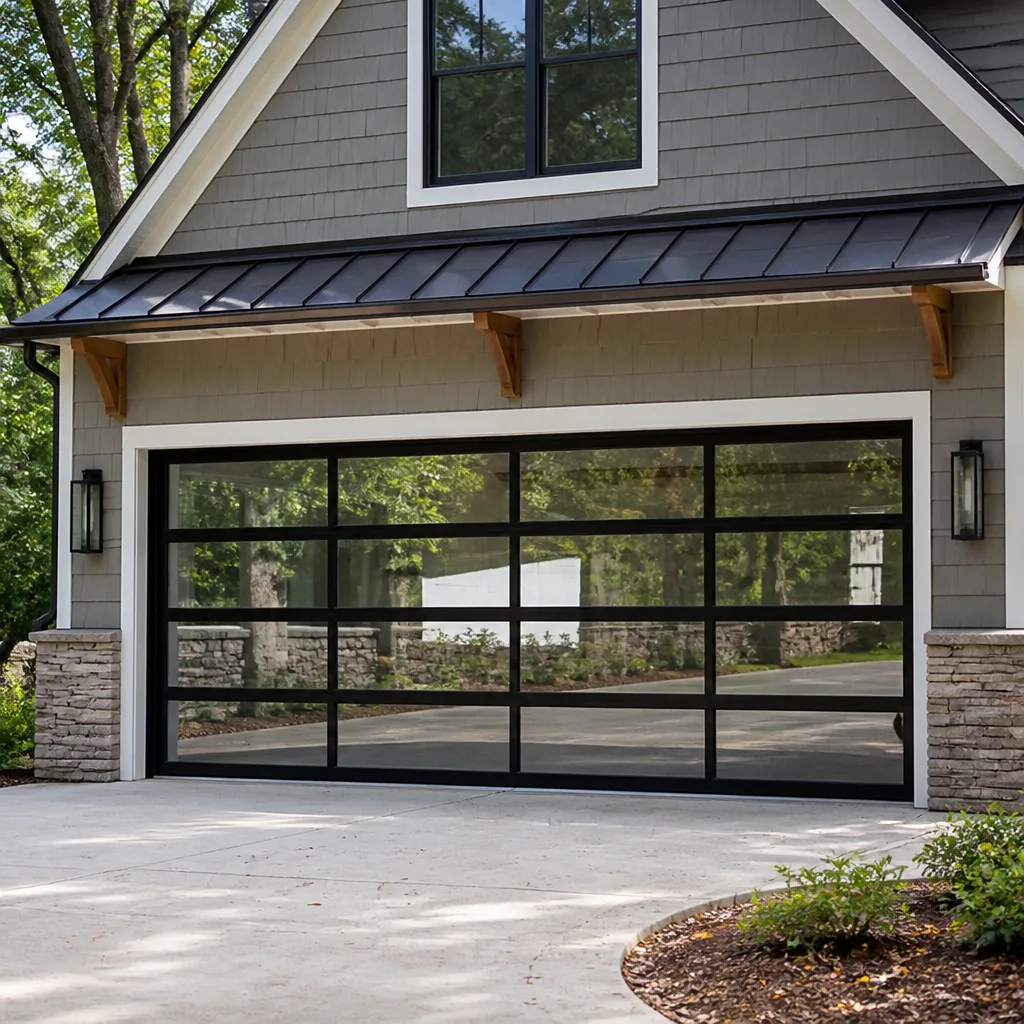 Full-view glass
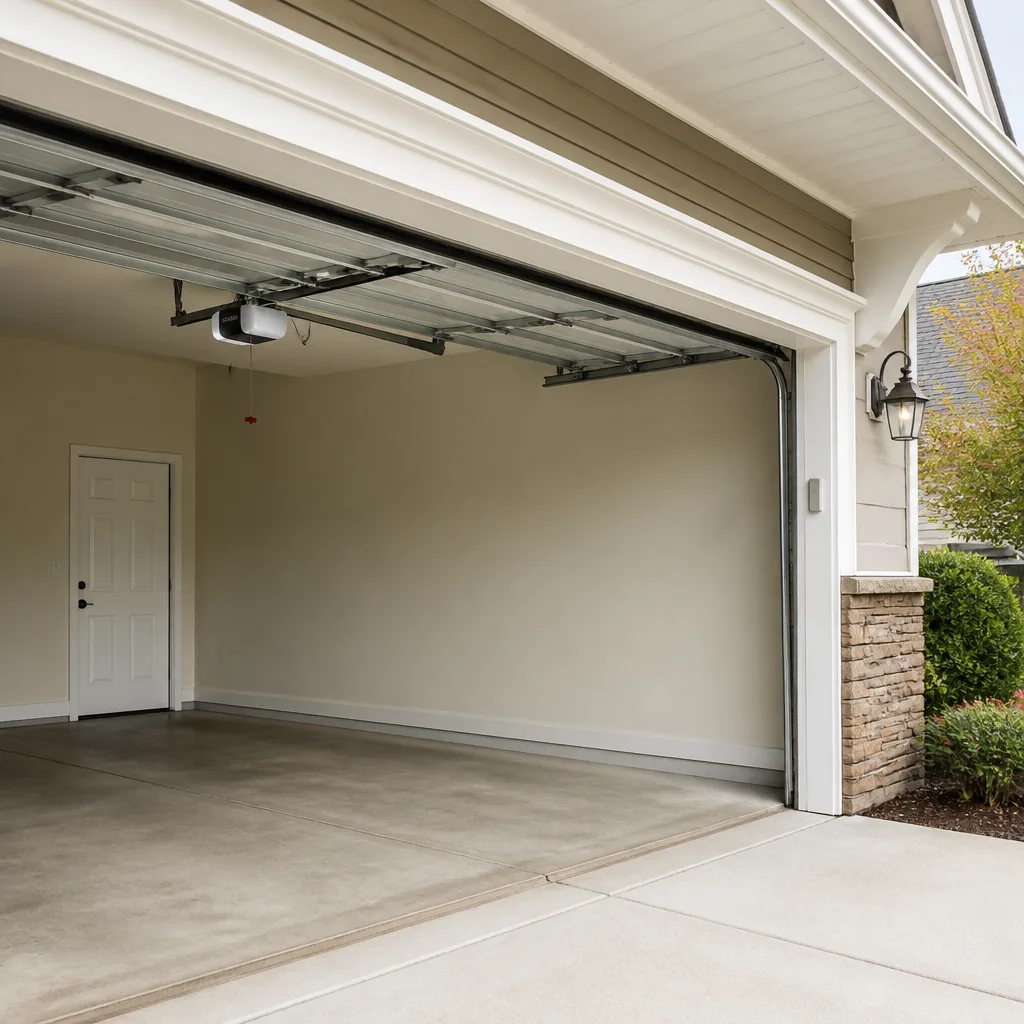 LiftMaster openers
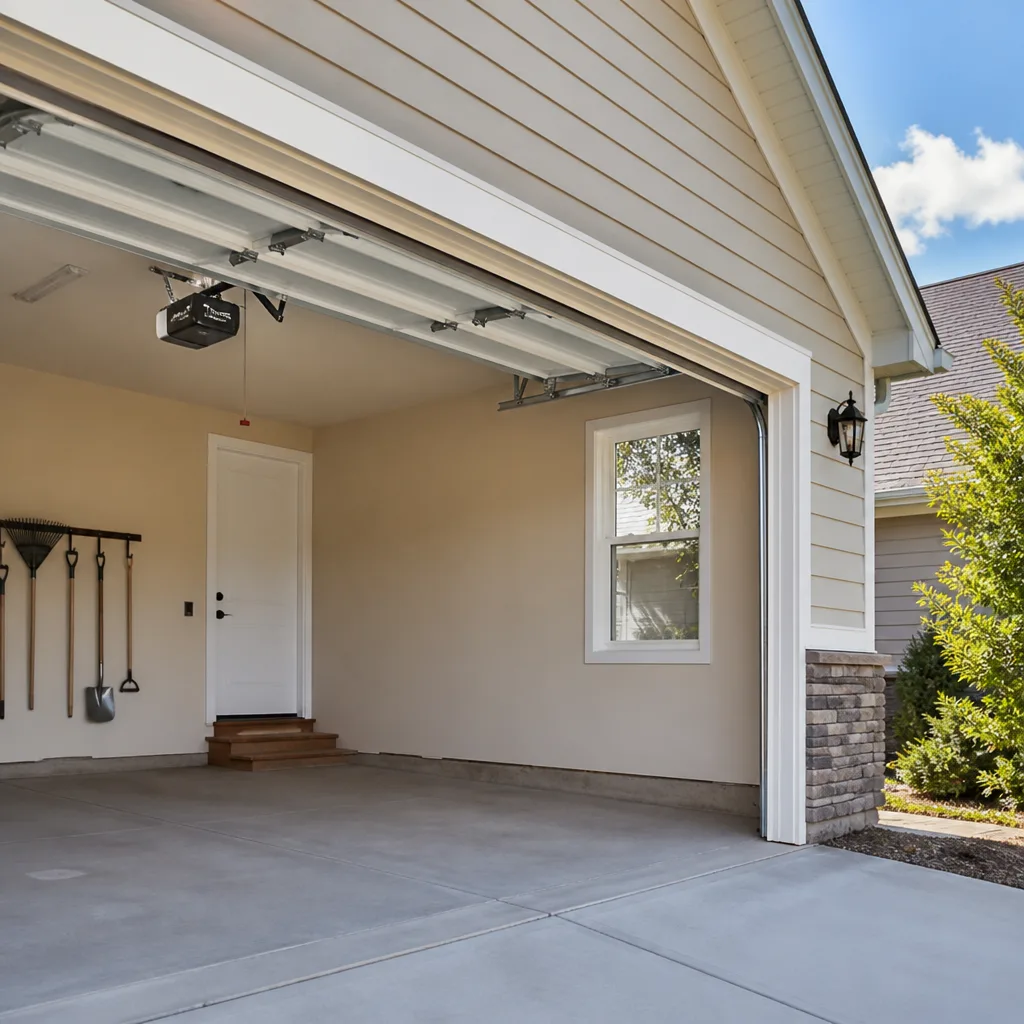 Chamberlain openers
Full 25-point door and opener safety check with every visit - springs, cables, rollers, tracks, and your LiftMaster or Chamberlain opener included
You get a price before we start. It does not change when the truck arrives.
Get your free estimateGarage Door Repair Troubleshooting in Yorba Linda: Common Problems and How to Fix Them
A door that reverses before touching the ground is not broken. It is doing exactly what its safety system told it to do. The distinction between a programmed safety response and an actual mechanical failure is the single most useful piece of knowledge a Yorba Linda homeowner can have, because it changes what you check first, what you try yourself, and whether you need to call anyone at all. Most repair bills start with a misdiagnosis. This guide walks you through reading your door’s behavior like a technician reads it, tracing each symptom to its true source before you spend a dollar. We’ll cover the four behavior patterns that cover nearly every failure, the seasonal quirks of Yorba Linda’s climate, and which fixes are safe for a homeowner versus which ones genuinely need a trained hand.
Styles & brands we work with
- Raised-panel steel
- Carriage house
- Modern flush
- Full-view glass
- LiftMaster openers
- Chamberlain openers
Quick Answer
Garage door troubleshooting in Yorba Linda starts with one question: what is the door actually doing? If it won’t move at all, check the opener’s power source and lock mode first. If it moves partway and stops, look for binding in the tracks or a balance problem. If it moves but reverses before closing, check the safety sensors and close-force setting. If it moves but grinds or squeals, check the rollers, hinges, and lubrication. Most non-spring repairs are simple, but spring and cable work should always go to a professional.
Table of Contents
- The Four Behavior Patterns That Diagnose Almost Everything
- Why Yorba Linda’s Seasons Change How Your Door Behaves
- The Branch-Logic Decision Tree: What to Check First
- Which Fixes Are Safe to Do Yourself
- Door Moves but Reverses Before It Closes
- Door Moves but Grinds, Squeals, or Shudders
- Brand-Specific Quirks: LiftMaster vs. Genie Lock-Outs
- Common Mistakes to Avoid
- When to Call a Professional
- Frequently Asked Questions
- The Bottom Line
The Four Behavior Patterns That Diagnose Almost Everything
Technicians do not start by taking things apart. They start by watching the door move, or try to move, and classifying the behavior into one of four categories. Each category points to a different subsystem, and getting the category right is what keeps a $200 repair from becoming a $600 guess. Here is the framework we use on every call in Yorba Linda.
Pattern one: the door does nothing. No sound, no movement, no click. That points to the opener’s power supply, a tripped circuit, a disconnected cord, or a logic-board lock-out. The door itself is usually fine. Pattern two: the door moves a few inches and stops. This is almost always mechanical binding, a balance problem, or a broken spring on one side. The opener is trying to lift weight it was never meant to lift alone. Pattern three: the door moves normally but reverses before it closes. That is the safety system doing its job. The sensors are misaligned, blocked, or the close-force setting has drifted too low. Pattern four: the door moves but makes bad sounds. Grinding, squealing, or shuddering points to worn rollers, dry hinges, loose hardware, or a failing opener gear.
If you learn nothing else from this guide, learn these four patterns. They are the difference between fixing the right thing and replacing parts on a hunch. In our experience, roughly half the service calls we run in Yorba Linda are for problems a homeowner could have identified in under five minutes with this framework, even if the actual repair still needed a technician.
Why Yorba Linda’s Seasons Change How Your Door Behaves
Yorba Linda’s climate is mild by most standards, but it has a specific rhythm that affects garage door hardware in ways homeowners do not expect. Summer days regularly push into the 90s, while winter nights drop into the 40s. That 40 to 50 degree swing matters more than you would think for a steel door and a set of torsion springs.
Metal expands and contracts with temperature. A torsion spring’s tension changes slightly as the steel warms and cools. In the summer, a spring that was balanced in winter carries a little more tension, and in winter, a spring adjusted in summer carries a little less. The result is often a door that behaves fine for months and then, seemingly overnight, starts stopping halfway or reversing. Nothing electrical failed. The spring’s tension just drifted with the season.
Cables feel the same effect. The cable drums and brackets are steel, the cables are steel, and the whole assembly expands and contracts together. When a cable develops a little slack in cooler weather, it can slip on the drum and cause the door to hang unevenly. That uneven hang looks like a track problem. Homeowners in Yorba Linda routinely call about a “bent track” that turns out to be a cable tension issue from seasonal temperature change.
Wood doors add another layer. The warm, dry Santa Ana winds pull moisture out of wood panels, and the cooler, damper winter months put some of it back. A wood Clopay or Amarr door can shift enough through the seasons that the latch no longer lines up with the strike plate, even though nothing is actually broken. If your door sticks or rubs only during certain months, seasonality is the likely culprit, not a structural failure.
This is also why Yorba Linda homes benefit from a yearly balance and tension check, ideally in early fall before the cool nights arrive. Catching a small tension drift in September is cheaper than replacing a snapped spring in December. It is one of the quiet ways the local climate shapes the maintenance calendar here, even without snow, ice, or coastal marine air to worry about.
The Branch-Logic Decision Tree: What to Check First
Here is the exact sequence a technician follows on a troubleshooting call. Work through it in order. Each branch leads to a specific fix or a specific “call a pro” decision, and you can run through the whole thing in under ten minutes without any tools.
- Is the opener getting power? Check that the opener is plugged in, the outlet has power, and the circuit breaker has not tripped. Many “dead door” calls in Yorba Linda are a tripped GFCI outlet in the garage, often the same circuit the washer runs on.
- Is the opener in lock mode? Every opener has a lock or vacation mode that disables the remote. A LiftMaster wall console shows a blinking or solid lock icon. A Genie often shows a red light pattern. Disengage lock mode and test again.
- Does the door move when you use the wall button but not the remote? That is a remote programming or battery issue, not a door issue. Reprogram the remote or replace its battery before touching anything else.
- Does the door move manually? Pull the red emergency release cord and try to lift the door by hand. If it is heavy or hard to lift, you have a spring or balance problem and should call a professional. If it moves smoothly, the problem is in the opener, not the door.
- If the door moves under power but reverses: Check the sensor eyes near the bottom of each track. They should be aligned and free of leaves, spider webs, or the kids’ bikes. Clean them, realign them, and test again.
- If the door moves but sounds rough: Look at the rollers and hinges. Worn nylon rollers will show flat spots. Dry hinges will creak. Listen for where the sound is loudest and focus there.
- If the door stops partway and will not continue: Check for an obstruction in the tracks, a broken spring, or a panel that has come loose. Do not force the door. Call for garage door repair if the spring or cable is involved.
This sequence handles the overwhelming majority of what we see across Yorba Linda’s neighborhoods, from the hillside homes above the 91 to the flatter tracts near the center of town. It is intentionally simple. The goal is to know which subsystem is failing so your next step is the right one.
Which Fixes Are Safe to Do Yourself
Some garage door maintenance is genuinely safe for a careful homeowner. Some of it is not. Knowing the line between the two is a safety issue, not a pride issue, and it is worth being blunt about.
Safe for a homeowner with basic tools:
- Sensor realignment: Loosen the wing nut on the sensor bracket, aim the two eyes at each other until the indicator lights come on steady, and retighten. No spring tension is involved.
- Lubrication: A white lithium grease on the hinges, a silicone-based spray on the rollers and tracks, and a light oil on the torsion spring. Do this once or twice a year in Yorba Linda’s dry climate.
- Limit switch adjustment: If the door does not open or close all the way, the limit controls on the opener can be adjusted in small increments. Follow the opener’s manual. This is a low-risk adjustment.
- Remote reprogramming: Reprogramming a LiftMaster, Chamberlain, Genie, or Craftsman remote is a menu-driven process in the manual. No mechanical work involved.
- Track inspection and tightening: Loose track bolts can be tightened with a socket. Just do not try to bend a track back into shape, that usually makes the alignment worse.
Not safe for a homeowner. Call a professional:
- Spring replacement: Torsion springs hold enough stored energy to cause serious injury or worse if they let go while you are working on them. Do not touch them. A broken spring means a professional replacement, no exceptions.
- Cable drum work: The cables run under the same tension as the springs. A frayed cable is dangerous to touch, and the drum it wraps around sits right beside the spring. This is technician work.
- Panel replacement or structural repair: A door panel that is bent, rusted through, or damaged enough to affect balance changes the load on the entire system. Replacing it safely requires resetting spring tension.
- Opener gear or logic-board replacement: These are inside the opener housing and involve electrical work. Genie, LiftMaster, and Chamberlain openers all have internal capacitors and wiring that can bite.
The rule we give every Yorba Linda homeowner is simple: if the part you are about to touch is under spring tension or connected to line voltage, stop. Lubricate, clean, adjust limit switches, and reprogram remotes. Leave springs, cables, and opener internals to someone who works on them daily.
Door Moves but Reverses Before It Closes
This is the most common symptom we hear about from Yorba Linda homeowners, and it is also the most misunderstood. A door that starts to close and then reverses before it hits the ground is usually not a mechanical failure. It is the opener’s safety system working exactly as designed.
Here is what is happening. Modern openers are built around two safety layers: the photo-eye sensors near the bottom of the tracks and the close-force setting in the opener’s logic board. If anything interrupts the invisible beam between the sensors, or if the opener senses more resistance than expected while closing, it reverses the door as a safety measure. The behavior is correct. The thing triggering it is the problem.
Check these in order:
- Are the sensor eyes aligned? Each sensor has a small indicator light. Both should be on and steady. If one is blinking or dark, the beam is not reaching it. Loosen the bracket and aim the sensors at each other until both lights come on solid.
- Is something blocking the beam? In a Yorba Linda garage, the usual suspects are a rake leaning against the wall, a trash can, a bike tire, or a pile of boxes. Even a leaf or a thick cobweb across the lens can break the beam.
- Is the lens dirty? Wipe both lenses with a dry cloth. Dry dust from Santa Ana winds coats everything in the garage, and sensor lenses are no exception.
- Is the close-force setting too low? If the door reverses with the sensors clear and aligned, the opener may be interpreting normal resistance as an obstruction. A slight increase in the close-force adjustment usually fixes this. Make the adjustment small, test, and repeat.
- Is the door binding as it approaches the floor? If the tracks are tight near the bottom, or a roller is worn flat, the door meets extra resistance right before closing. The opener reads that as an obstruction and reverses. This is a mechanical cause that feels electrical, so if the sensors check out, look at the bottom track sections and rollers.
One Yorba Linda-specific note: the dry, dusty air here coats sensor lenses faster than humid climates do. If your door reverses only on hot, windy days, clean the lenses first. It is a five-minute fix that solves a surprising number of calls.
Door Moves but Grinds, Squeals, or Shudders
Sound is a diagnostic tool. A garage door that makes noise while moving is telling you exactly where it hurts, if you know how to listen. Here is how we break down the common sounds.
Grinding from the opener: If the noise comes from the motor unit itself, especially on a Chamberlain or LiftMaster opener more than a few years old, the drive gear is likely worn. These openers use a plastic gear that is designed to be the sacrificial part, and when it strips, you hear a grinding or ratcheting sound. The fix is a gear replacement, which is a standard garage door opener repair.
Squealing from the rollers or hinges: A high-pitched squeal that tracks with the door’s movement is almost always dry metal-on-metal contact. The hinges need white lithium grease, and the rollers need a silicone lubricant. Do this twice a year, and the squeal goes away. If the rollers are worn flat or wobbling, lubrication will not save them, and they should be replaced before they damage the tracks.
Shuddering or shaking during travel: This is usually uneven resistance. One side of the door is working harder than the other, often because of a settling cable drum, a loose track, or a spring losing tension on one side. The opener is fighting the imbalance, and the whole assembly shudders. This is worth a professional look, because the root cause is often in the tension system.
Rumbling or rattling at the top of the travel: Loose hardware. The track bolts, the opener bracket, or the hinges have worked loose over thousands of open-and-close cycles. A socket and ten minutes of tightening often resolves it, but check the entire track length, not just the spot where the noise is loudest.
The important lesson here is that sound points to a subsystem. Grinding at the motor is an opener problem. Squealing at the track is a lubrication or roller problem. Shuddering is a balance or track problem. Rumbling is a hardware problem. Treat the right one and the noise stops.
Brand-Specific Quirks: LiftMaster vs. Genie Lock-Outs
Every major opener brand has its own personality, and two of the quirks that confuse homeowners most are the LiftMaster lock mode and the Genie “won’t open” error. Both present the same way, a door that simply does not respond, but they mean very different things.
LiftMaster lock mode: LiftMaster and Chamberlain wall consoles have a lock button that disables all remote transmitters. It is a security feature, meant to stop anyone with a cloned remote from opening the door while you are away. The wall console shows a blinking light, and pressing any remote does nothing. The door does not click, does not hum, does not move. The fix is to press and hold the lock button on the wall console until the blinking stops. That is it. No parts, no tools, no service call. We see this in Yorba Linda constantly, and it is one of the most satisfying five-second fixes in the trade.
Genie motor failure or force-profile error: A Genie opener that will not respond is less likely to be a lock mode and more likely to be a motor or force-profile issue. Genie openers can log an error after repeated attempts to open a door that is binding or out of balance, and once the error is logged, the opener refuses to run until it is reset and the underlying resistance problem is fixed. A flashing red light on the Genie powerhead is the tell. The reset procedure is in the manual, but if the door is out of balance, the error will return. The real fix is addressing the door balance, not the opener.
The distinction matters because the LiftMaster issue is operator error resolved in seconds, while the Genie issue is often a door problem masquerading as an opener problem. This is also why we work across LiftMaster, Chamberlain, Genie, Clopay, Amarr, Wayne Dalton, Craftsman, and Raynor without brand loyalties. The recommendation should come from what your door and opener are actually doing, not from which brand we happen to prefer. Your door, your brand, our expertise.
Common Mistakes to Avoid
Most expensive garage door repairs start with a well-intentioned mistake. Here are the ones we see most often in Yorba Linda.
- Adjusting the spring without knowing what it is. Homeowners see the spring, assume it is loose, and try to tighten it. Torsion springs are not loose or tight in the way people expect, and touching one without training is a serious injury risk. This is the most dangerous mistake on this list.
- Forcing the door after it binds. If the door stops partway, yanking on it by hand or holding the opener button down puts strain on the cables, rollers, and opener gear. Forcing a bound door is how a minor track issue becomes a broken cable or stripped gear.
- Replacing the opener before checking the door balance. A door that is old, unbalanced, or has a dying spring will kill a brand-new opener in months. The opener gets blamed, but the door was the problem all along. Check balance before buying a replacement.
- Lubricating the tracks. The tracks are not meant to be lubricated. Grease on the tracks collects dust and grit, and in Yorba Linda’s dry climate that turns into a gritty paste that accelerates roller wear. Lubricate the rollers and hinges, leave the tracks dry.
- Ignoring a reversing door for weeks. A door that reverses is telling you something, and it is usually a sensor or force-setting issue that gets worse. Letting it go means repeated half-close cycles that strain the opener and wear the hardware.
- Assuming brand loyalty is the only option. You do not need a Wayne Dalton dealer for a Wayne Dalton door or a Genie specialist for a Genie opener. A brand-agnostic tech who works on all eight major lines can diagnose the actual system without pushing a brand you did not ask for.
- Skipping the yearly inspection because the door still works. Garage doors fail gradually. By the time a spring snaps or a cable frays through, the signs have usually been there for months. A yearly look at the tension, rollers, and hardware catches the quiet problems before they become loud ones.
When to Call a Professional
Some problems are obvious and safe to fix yourself. Others are not, and the line between them is non-negotiable. Call a professional if the spring is broken, if a cable is frayed or off its drum, if the door is visibly out of balance, if the panel is damaged enough to affect movement, or if you have worked through the decision tree above and the door still will not behave. Spring and cable work carry real injury risk. Opener internals involve line voltage. These are not the places to learn by trial and error. Sierra Garage Door Service handles repair, opener work, and full installation in-house, so one call covers the whole system. We offer free estimates in Yorba Linda. Call (866) 282-5613 and tell us what the door is doing, we will tell you what it likely needs before we even arrive.
Frequently Asked Questions
The photo-eye sensors or the close-force setting are triggering a safety reversal. Check that the sensor eyes are aligned and clean, clear anything blocking the beam, and slightly increase the close-force setting on the opener. If the door only reverses near the bottom, check for binding in the lower track. Call (866) 282-5613 if it keeps happening, the fix is usually quick.
Repair pricing depends on the part and the system, not on a flat rate. Minor fixes like sensor realignment or lubrication are inexpensive, while spring replacement runs higher because it involves tensioned hardware. We give free estimates in Yorba Linda, and the written estimate is the price you agree to before any work starts. Call (866) 282-5613 for a specific number.
No. Torsion springs store enough energy to cause serious injury if they release while you are working on them. This is the one repair where the risk is simply not worth the savings. A trained technician replaces springs safely, and in Yorba Linda’s seasonal climate, they will also check the cable tension and balance while they are there.
The remote is unprogrammed, has a dead battery, or the opener is in lock mode. Replace the battery first, then reprogram the remote using the opener manual, then check the lock button on the wall console if you have a LiftMaster or Chamberlain. The door and opener are likely fine.
Not always. A single damaged panel can often be replaced without replacing the whole door, as long as the door is still structurally sound and the panel model is still available. A bent panel that affects balance is a different situation, and it is worth having a professional look before deciding. We work on Clopay, Amarr, Wayne Dalton, and Raynor doors, among others, so matching the panel to your existing door is usually straightforward.
Yorba Linda’s temperature swings between warm summer days and cool winter nights change the tension in your springs and cables slightly. A door that was balanced in August may stop short or reverse in December because the steel has contracted. It is a seasonal adjustment issue, not an electrical failure, and a fall tune-up usually prevents it.
The Bottom Line
Garage door troubleshooting is a systems problem, not a guesswork problem. Watch the door’s behavior, classify it into one of the four patterns, and follow the branch logic to its source. Most reversals are sensor or force-setting issues. Most grinding is lubrication or a stripped gear. Most seasonal changes in Yorba Linda are spring and cable tension drifting with the temperature. The safe DIY work is real but limited: sensors, lubrication, limit switches, and remotes. Springs, cables, and opener internals are professional territory, every time. Read the behavior, fix what is safe, and call for the rest. One call covers repair, openers, and full installation.
Call (866) 282-5613 for a free estimate. We answer 24/7. Fast dispatch from 7am to 7pm, Sunday through Friday.
Written by the team at Sierra Garage Door Service, serving Yorba Linda since 2014.
See the difference
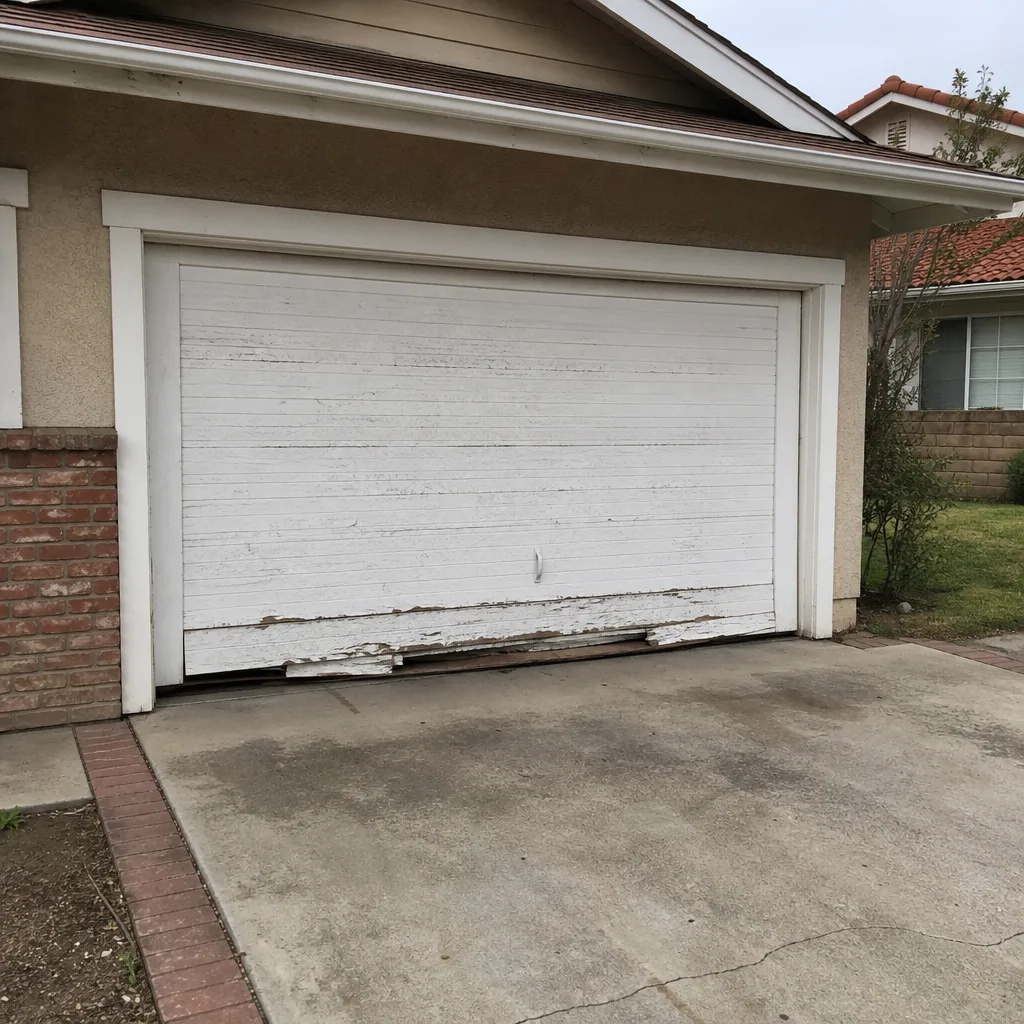 Before
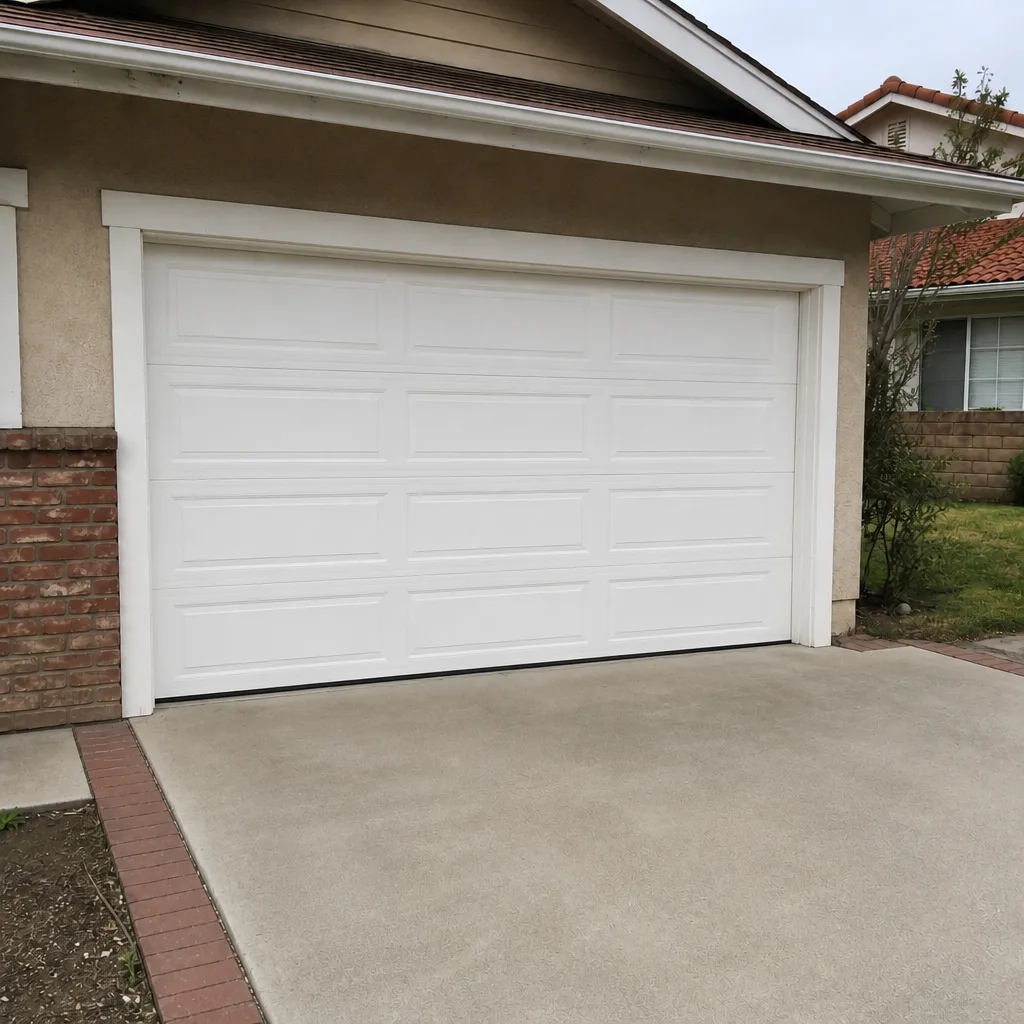 After
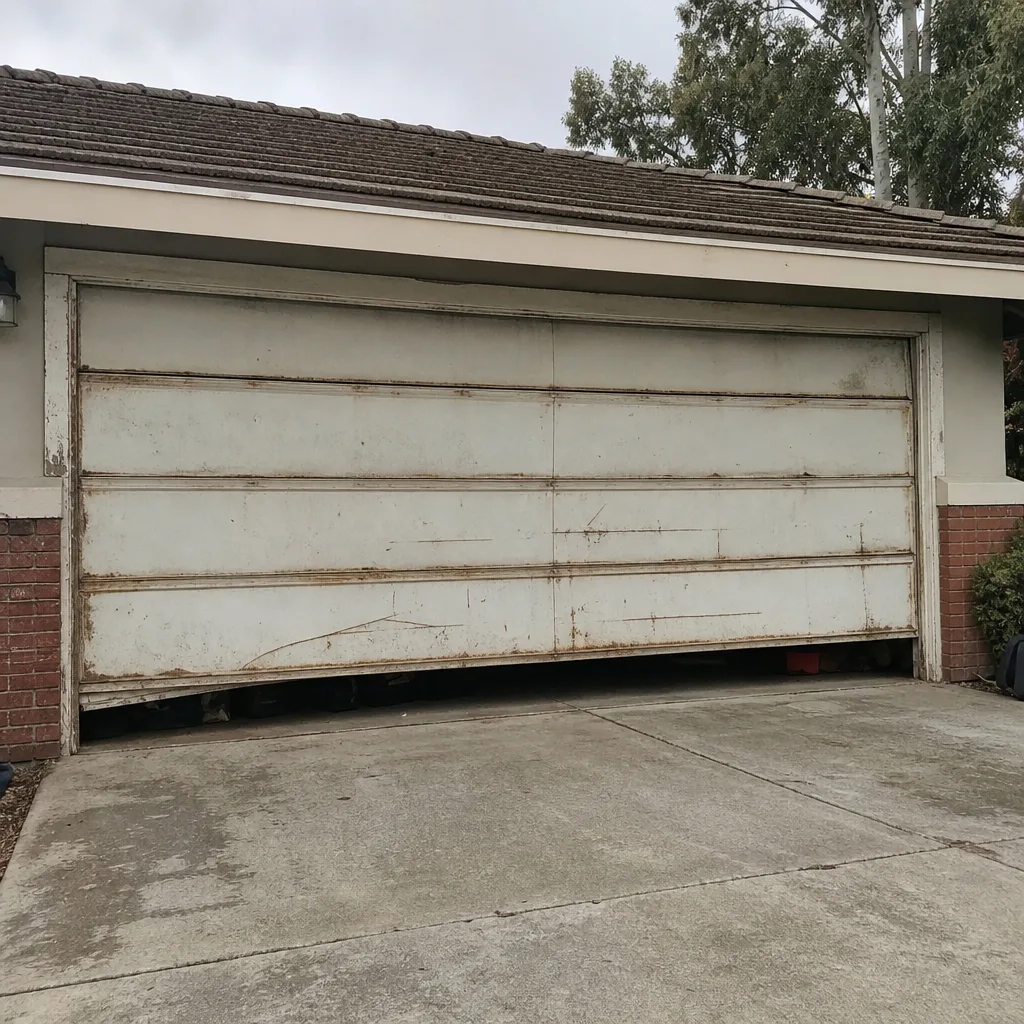 Before
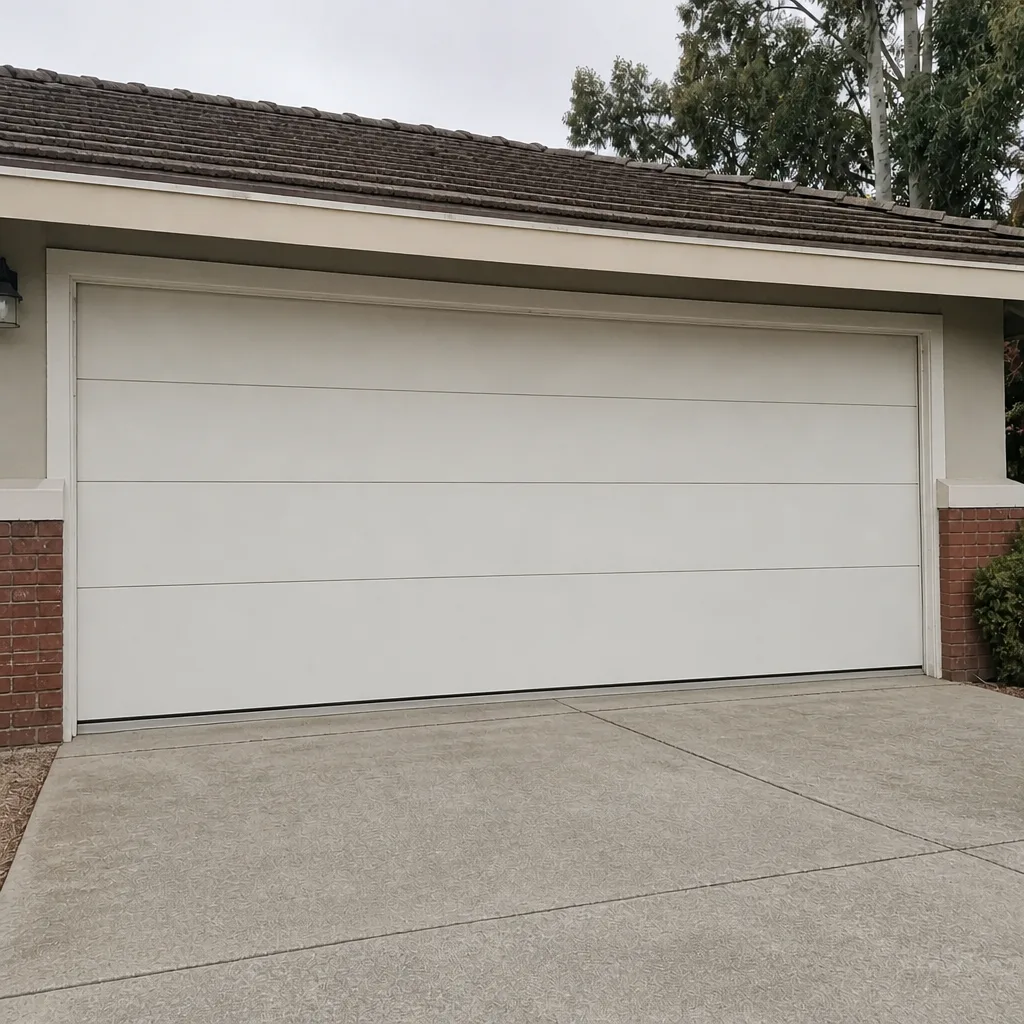 After
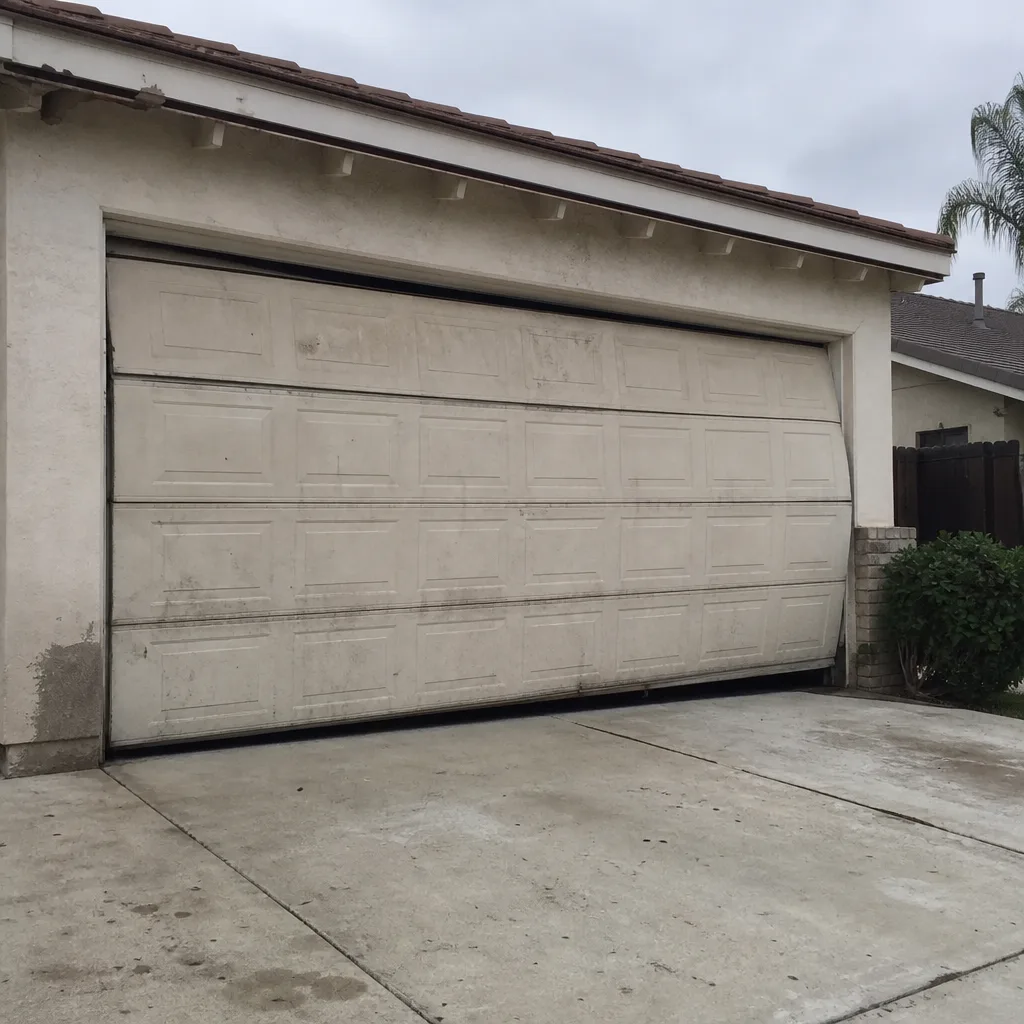 Before
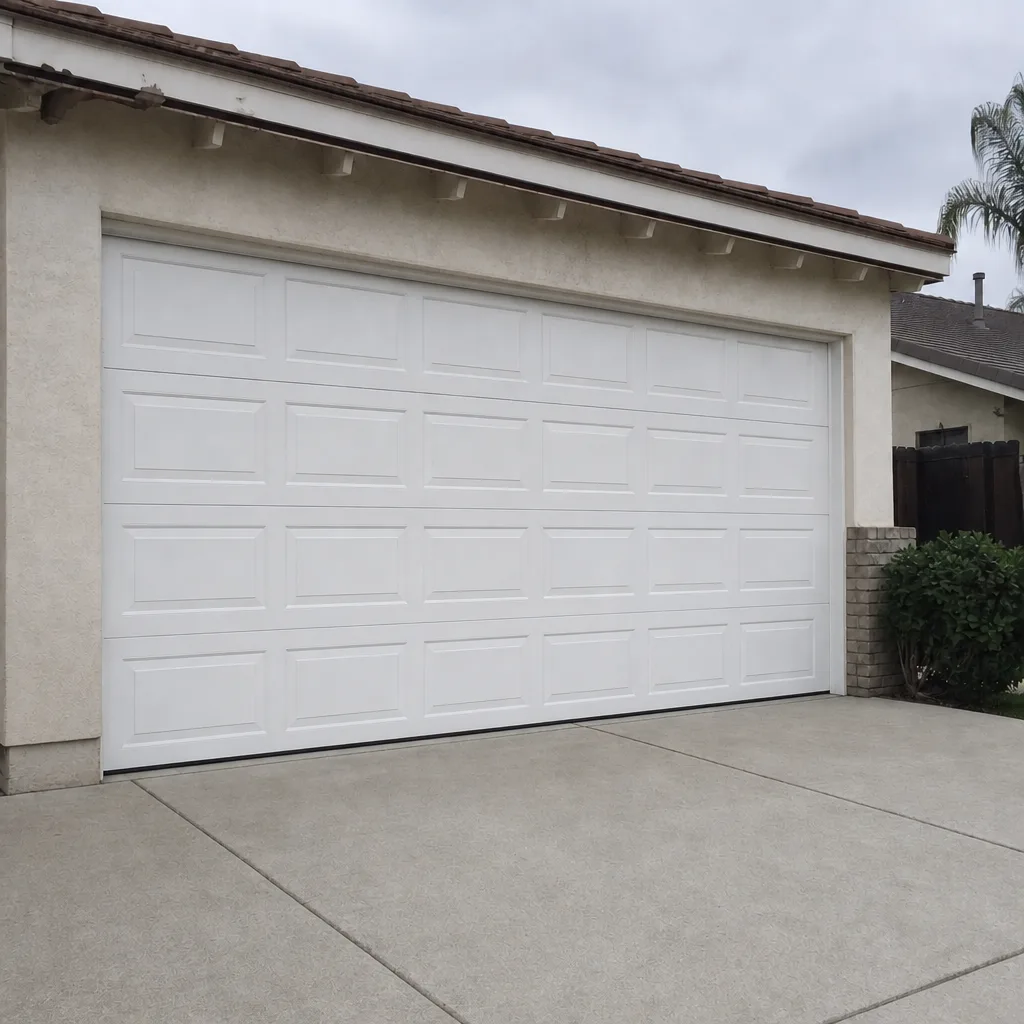 After