
Last updated November 4, 2026
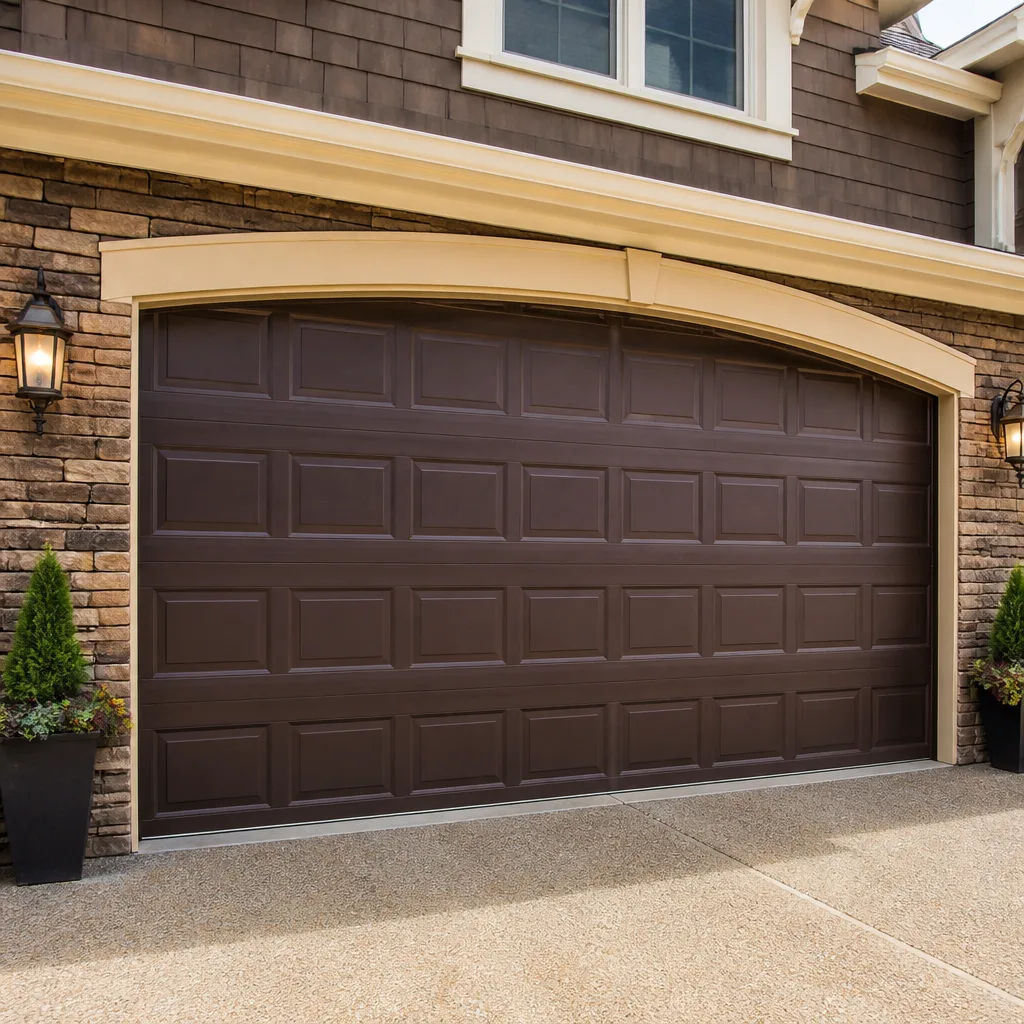 Raised-panel steel
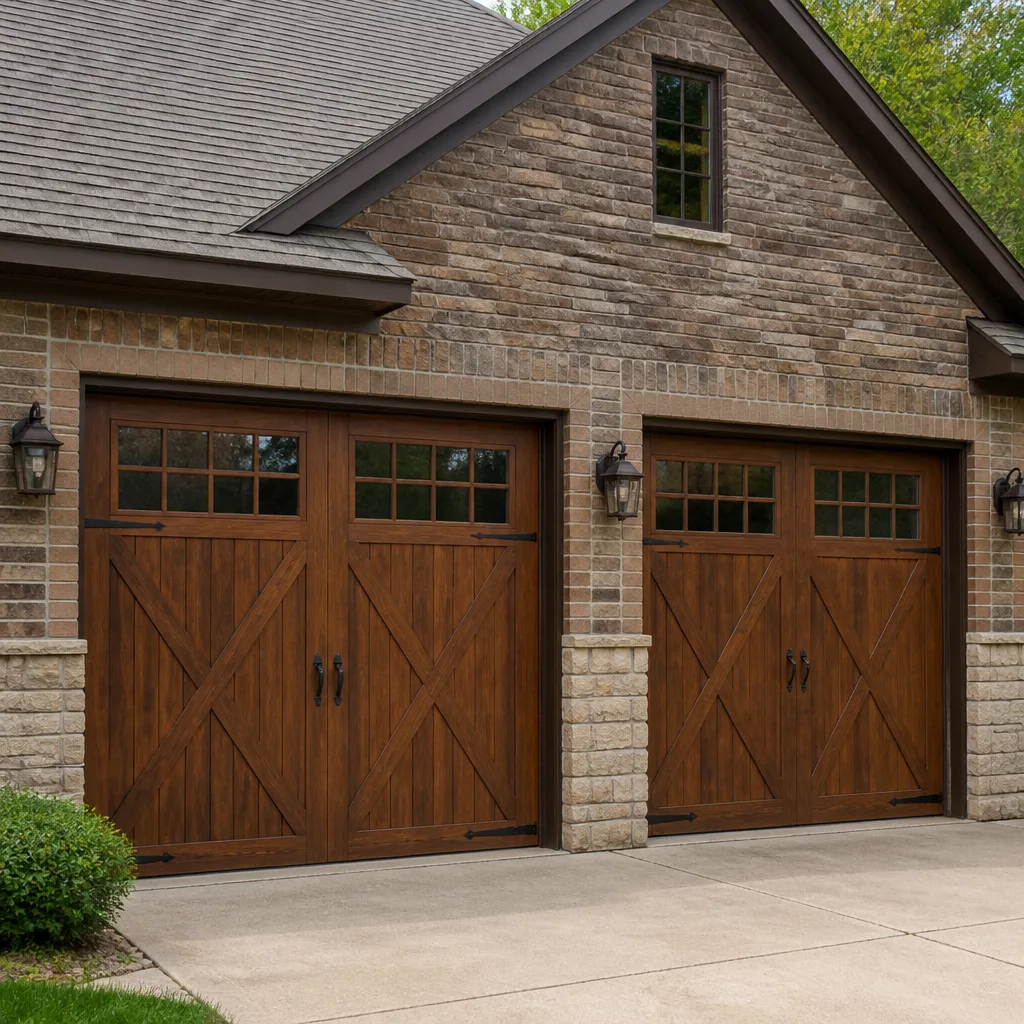 Carriage house
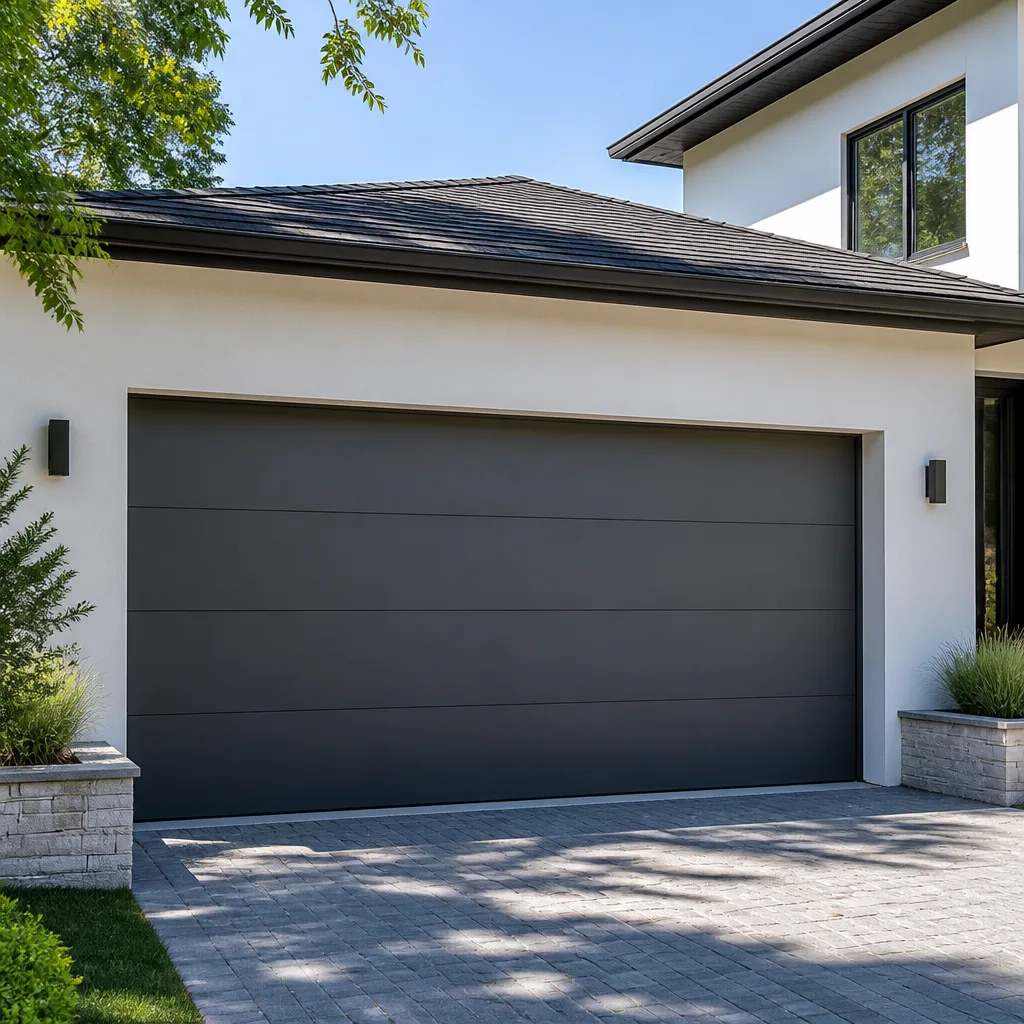 Modern flush
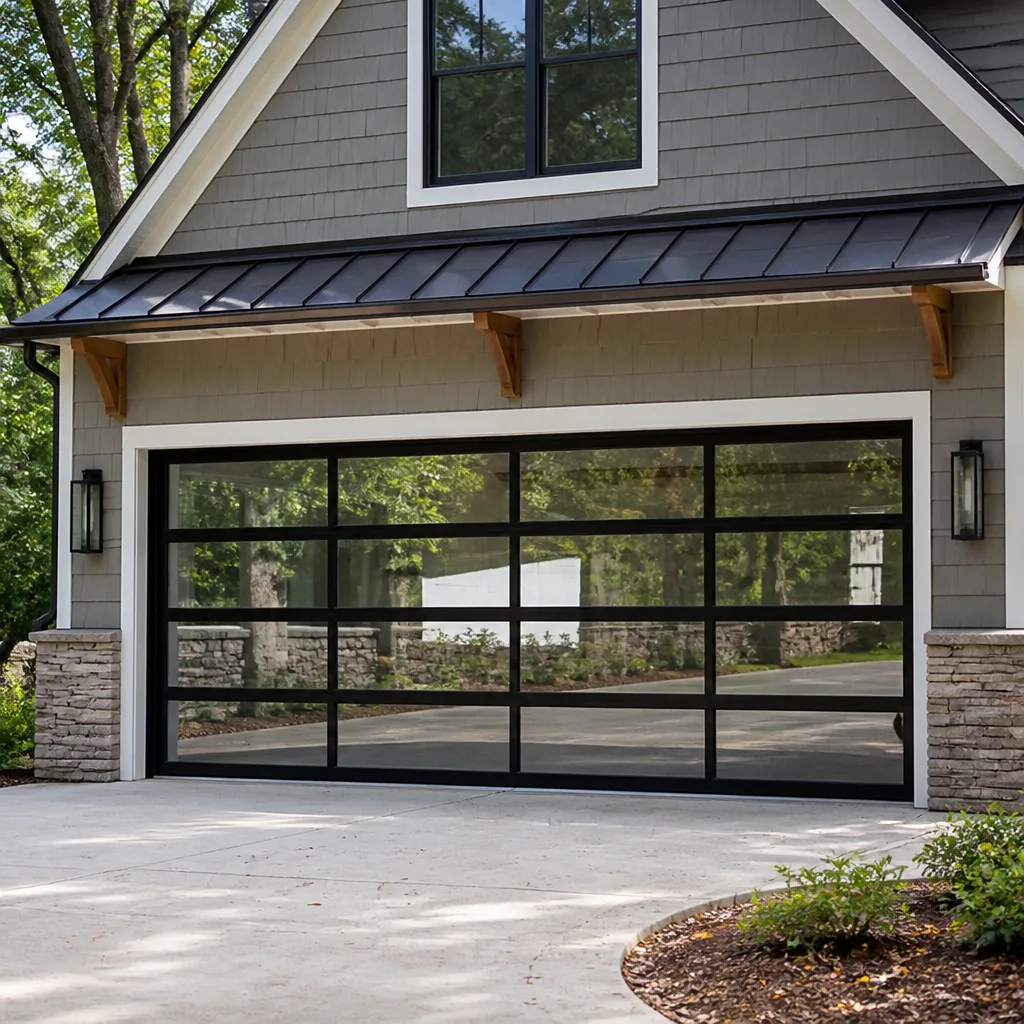 Full-view glass
 LiftMaster openers
 Chamberlain openers
Full 25-point door and opener safety check with every visit - springs, cables, rollers, tracks, and your LiftMaster or Chamberlain opener included
You get a price before we start. It does not change when the truck arrives.
Get your free estimateGarage Door Warning Signs: A Yorba Linda Homeowner’s Reference Guide
A garage door is the largest moving object in most homes, and it cycles thousands of times a year. Most failures don’t happen without warning – they announce themselves days or even weeks ahead through specific sounds, hesitations, and visual changes. But here’s the part most Yorba Linda homeowners miss: not every warning sign means the same urgency. A door that hesitates for half a second before moving isn’t just getting old. That specific symptom, the delay then movement, almost always means the torsion spring is within 200 to 400 cycles of snapping. In a household where the door opens four times a day, that clock runs out in roughly two to three months. This guide teaches you how to read the signals correctly: which ones mean stop using the door today, which ones let you schedule service within the week, and which ones are worth watching but not panicking over.
Quick Answer
The garage door warning signs that matter most in Yorba Linda fall into three categories: immediate-stop problems (a snapped spring, a door that reverses on the way down without anything in the way, a cable that’s frayed and pulling off the drum), schedule-this-week problems (grinding from the opener, a door that’s increasingly loud, rollers with flat spots), and monitor-for-now observations (light surface rust, minor seal gaps, slight cosmetic panel wear). The single most overlooked early warning is a hesitation between pressing the button and the door starting to move – that usually points to a torsion spring near the end of its life. If the door makes a sound you’ve never heard before, treat it as information, not background noise.
Styles & brands we work with
- Raised-panel steel
- Carriage house
- Modern flush
- Full-view glass
- LiftMaster openers
- Chamberlain openers
Table of Contents
- The Triage System: Three Levels of Urgency
- What That Sound Actually Means: A Field Guide
- Visual Checks You Can Do Safely From the Floor
- Opener Problem or Door Problem? The Manual-Release Test
- Yorba Linda-Specific Warning Signs
- Springs, Cables, and the Parts That Give No Visual Warning
- When Age Alone Is a Warning Sign
- Common Mistakes to Avoid
The Triage System: Three Levels of Urgency
We’ve worked on enough doors in Yorba Linda to know that homeowners usually do one of two things: they ignore a problem until the door physically won’t move, or they panic over a noise that turns out to be a five-minute fix. Neither is the right approach. Here’s the triage framework we use when someone calls and describes a symptom. It’s the same one you can use at home.
Level 1: Stop Using the Door Today
These are the signs that mean the door is no longer safe to operate normally. Call a professional before you run another cycle.
- A snapped torsion spring. You’ll usually hear it – a loud bang from inside the garage, like someone hit the door with a hammer. After that, the door either won’t lift or lifts only a few inches. Do not try to force it. The spring is under enormous tension, and a broken spring means the other spring (if you have two) is doing all the work. Stop using the door.
- The door reverses on the way down. If the door starts closing, then reverses back up without anything in the photo-eye path, that’s not a quirk. It often means the balance is off, which points to spring or cable trouble. A door that reverses mid-travel can also indicate the opener’s force settings are no longer appropriate for the door’s condition.
- A cable that’s visibly frayed or off the drum. If you can see loose wire strands or a cable hanging away from the drum at the top of the door, do not operate the opener. The cable is what transfers the spring’s force to the door. When it goes, the door can drop fast.
- The door is crooked in the opening. A door that sits uneven or lifts one side before the other is telling you the spring or cable system is unbalanced. Continuing to run it puts uneven load on every hinge, roller, and the opener itself.
Level 2: Schedule Within the Week
These are problems that won’t fail catastrophically tonight, but they’re degrading. Left for six months, they become Level 1 problems. Call to book a visit within the next few days.
- The door hesitates before moving. You press the button, and there’s a noticeable pause – sometimes a full second or more – before the door begins to travel. This is the torsion spring losing its ability to counterbalance the door’s weight quickly. It’s the most common early warning we hear described, and it’s one of the easiest to dismiss.
- The door is noticeably louder than it was six months ago. Increased noise isn’t random. It means friction somewhere: a bearing, a roller, a hinge. More friction means more load on the spring and the opener motor, which shortens the life of both.
- Visible roller flat spots or wobble. If a roller has a flat edge, it’s no longer rolling – it’s dragging. That drag becomes friction, and friction becomes a worn track. One bad roller changes the way the whole door travels.
- The opener runs but the door moves slowly. If the motor sounds like it’s working hard and the door crawls upward, the spring may be weakening. The opener is compensating for the lost spring force, and openers aren’t designed to do that long-term.
Level 3: Monitor For Now
These are worth noting in your head (or in a phone note), but they don’t require a service call by themselves.
- Light surface rust on hardware. Rust on hinges or the bottom bracket is cosmetic until it isn’t. Keep an eye on whether it spreads or deepens. A rusted-through bracket is a problem; light oxidation is not.
- Minor seal gaps at the bottom of the door. In Yorba Linda’s dry heat, the rubber bottom seal shrinks over time. A small gap lets dust and warm air in, and it’s a straightforward replacement when you’re already having other work done.
- Faint panel creasing or small dents. A single small dent doesn’t weaken the door structurally. But if creases appear across multiple panels, or near the top section where the opener pulls, that’s a different conversation.
- Occasional opener hesitation in extreme heat. If the opener only stutters on the hottest afternoons, it might be thermal overload protection kicking in. If it happens reliably every hot day, that’s a Level 2 item.
The value of this triage system is that it gives you permission to not panic, while also telling you clearly when panic is actually the correct response. Most of the calls we take in Yorba Linda fall into Level 2 – the door still works, but the homeowner noticed something that felt off. Those are the best calls to make, because they usually end with a small repair instead of a big one.
What That Sound Actually Means: A Field Guide
Garage doors talk. The problem is that most people don’t know the language, so every noise gets lumped into one category: “the door is loud.” But a grinding bearing sounds nothing like a slipping cable, and a slipping cable sounds nothing like a flat roller. Each sound points to a different part, a different fix, and a different urgency level. Here’s how to tell them apart.
Grinding: Bearing or Opener Gear
A true grinding sound is metallic and continuous – it doesn’t go away as the door moves, and it often has a rough, raspy quality. On the door itself, grinding usually means a bearing is wearing out: either in a roller, or in the end bearing plates that hold the torsion shaft. On the opener, grinding typically means the drive gear inside the motor head is stripping. Opener gear grinding tends to get worse with each use, and the door may still move while the motor makes a distinctly awful sound. If the grinding is coming from the opener head, that’s an opener repair conversation. If it’s coming from the door hardware, it’s a door problem. Both are fixable, but they’re different fixes.
Roller Skipping: A Rhythmic Click or Thump
This one has a rhythm to it. As the door travels, you’ll hear a repeated click, clack, or thump that happens at regular intervals – often once per few inches of travel. That’s a roller with a flat spot, a worn bearing, or a roller that’s hitting a misaligned section of track. The sound is intermittent, not continuous, and it pairs with the physical feeling of the door slightly catching at the same point each time. A single bad roller can feel like a much bigger problem from inside the house, because the vibration travels through the entire door section.
Cable Slipping Off a Drum: A Zipping or Popping Sound
When a cable starts to slip on the drum, the sound is sharper and shorter than grinding – it’s a zipping sound, like fabric being pulled through a tight space, or a sudden pop. It often accompanies a door that’s become visibly crooked or that jerks during travel. A cable that’s losing tension on one side means the door is no longer lifting evenly, which puts the entire balance system at risk. If you hear this sound and the door is still moving, stop using the door and call. This is one of the few sounds where we recommend not doing another cycle.
Squealing: Light Friction Somewhere
A high-pitched squeal is the most common noise, and it’s also the most likely to be minor. Squealing usually means metal-on-metal friction at a hinge, a roller stem, or the track surface. It’s annoying more than dangerous, at least in the early stages. If the noise has been present for months and it’s getting louder, that’s a sign the friction point is wearing – a roller stem that squeals is a roller that’s about to seize. In the early stages, a squeal is a Level 3 observation. Once it’s loud enough to hear from the living room, it’s a Level 2 item.
The Sound We Hope You Never Hear: The Spring Snap
We’ve already described it in the triage section, but it belongs here too: a torsion spring doesn’t fail silently. It releases all its stored energy at once, and the sound is a loud bang that usually makes people think something fell over in the garage. If you hear it, the door will immediately behave differently – usually becoming very heavy to lift manually, or refusing to move with the opener at all. This is a Level 1 event, always. Do not run another cycle.
Visual Checks You Can Do Safely From the Floor
Most of the warning signs we’ve covered so far are things you hear or feel. But some of the most useful diagnostics are purely visual, and you can do them without ever climbing a ladder, touching any hardware, or putting yourself near a spring under tension. Here’s what to look for, and how to look safely.
The 90-Second Floor Inspection
- Stand back and look at the closed door. Does it sit evenly in the opening, or is one side higher than the other? A door that’s out of level when closed often means uneven spring tension or a stretched cable. Both are Level 1 or Level 2 issues depending on severity.
- Look at the cables on both sides. From the floor, you can see the lift cables that run vertically along each side of the door, from the bottom bracket up to the drum at the top. Look for loose strands of wire, rust that looks deep rather than surface-level, or a cable that’s wrapped unevenly on the drum. Frayed wire strands anywhere along the visible cable is a stop-and-call signal.
- Look at the rollers. On most residential doors, you can see the rollers where they sit in the vertical track. Look at the wheels themselves. Is the wheel surface smooth and round, or can you see flat edges, chunks missing, or a wobble? Check both tracks, all the way up as far as you can comfortably see from where you’re standing.
- Look at the tracks. The vertical and curved track sections should look cleanly aligned. If you see gaps between track sections, screws that are backing out, or a track that looks bent inward, that’s a problem the opener has been fighting every cycle.
- Look at the spring. From the floor, look at the spring above the door (if it’s a torsion system) or the springs along the sides (if it’s an extension system). If you see a gap in the coil – a visible break where the coils no longer touch – that’s a broken spring, even if the door is somehow still opening. If the spring looks intact but has a lot of surface rust, note it and move on.
What to Never Do on the Floor Inspection
- Never touch the spring, the cables, or the bottom brackets. These components are under tension even when the door is closed. The inspection is visual only.
- Never put your fingers near the track while the door is moving. If you want to watch the rollers travel, stand to the side and watch from a few feet away.
- Never unbolt anything. The goal is to observe, not to disassemble. Even loosening a track bolt changes the geometry of the system.
- Never go up a ladder to inspect closer. Everything you need to see is visible from the floor. The closer view doesn’t improve the diagnosis enough to justify the risk.
In our experience, the floor inspection catches about 70% of the problems we eventually find on a service call. The remaining 30% are either inside the opener head, or in parts that are worn but not visibly worn from floor level – which is where the sound guide and the manual-release test come in.
Opener Problem or Door Problem? The Manual-Release Test
One of the most useful distinctions a homeowner can make is whether a problem lives in the opener or in the door itself. The symptoms overlap – slow travel, strange noises, intermittent function – but the fixes are completely different. An opener repair is one kind of job. A door balance or hardware repair is another. The manual-release test separates the two.
How to Run the Manual-Release Test
- Close the door completely. This test works best with the door down, so you’re not fighting gravity or working under a suspended door.
- Find the emergency release cord. It’s the red cord hanging from the opener rail, usually near the motor head. Pull it straight down until you hear or feel a click. This disconnects the door from the opener carriage.
- Lift the door by hand, using the bottom handle or the bottom edge. Do not lift from the top edge, and keep your hands away from the section seams. Lift until the door is about waist height, then let go.
- Observe what happens. A properly balanced door will stay in place, roughly at waist height, without drifting up or down more than an inch or two. It should also feel heavy but manageable – not like you’re deadlifting a car.
- Lower the door back down by hand, slowly. Then re-engage the opener by pulling the release cord again and running the opener until the carriage reconnects. Follow your opener’s manual for the exact re-engagement procedure, since it varies by brand.
How to Read the Results
- The door is balanced and moves smoothly by hand, but the opener is noisy or hesitant. The problem is in the opener – likely the drive gear, the motor, or the logic board. That’s a garage door opener repair call.
- The door is heavy, won’t stay at waist height, or drifts down or up. The spring system is no longer counterbalancing the door’s weight correctly. That’s a door balance issue – a garage door repair call, and it’s a Level 1 or Level 2 depending on how far off the balance is.
- The door binds, catches, or scrapes during manual travel. The problem is in the rollers, tracks, or hinges, not the opener. Running the opener with this condition will eventually burn out the motor because it’s being asked to push through friction on every cycle.
- The door moves smoothly by hand and the opener is quiet, but the door still won’t travel full distance when you use the button. This can be an opener logic problem, a travel-limit setting that’s drifted out of calibration, or a sensor issue. It’s an opener diagnostic rather than a door mechanical problem.
The manual-release test is safe to do if you follow the steps above. We’ve had homeowners in Yorba Linda run this test over the phone with us on the line, and it’s usually enough to tell us which type of technician to dispatch and which parts to bring. That saves time and puts the right tools in the truck.
Yorba Linda-Specific Warning Signs
Garage door problems follow patterns, and some of those patterns are specific to where the door lives. A door in Yorba Linda faces different environmental stress than a door in a coastal town or a mountain town. Here are the warning signs we see most often that are directly tied to local climate and conditions. None of these are reasons to panic by themselves, but all of them are worth knowing about so you can spot them early.
UV-Bleached Panel Stress Fractures
Yorba Linda gets a lot of sun, and the panels on west- and south-facing garage doors take the brunt of it. Steel and aluminum panels hold up well in general, but the paint and topcoat break down under years of direct UV exposure. What we see on older doors is a specific pattern: the surface becomes chalky or faded, and fine cracks begin to appear along the panel edges and around the section seams. These aren’t structural failures by themselves, but they’re an indicator that the panel material is becoming brittle. Once a panel starts stress-fracturing on the surface, it’s more vulnerable to cracking through under load, especially at the top section where the opener pulls hardest. If you see fading plus hairline cracks, the door is telling you it’s in its final years. That’s a planning conversation, not an emergency – but it’s better to plan for a replacement on your timeline than to inherit a surprise.
Seal Shrinkage Gaps From Heat
The bottom weather seal on a garage door is rubber or vinyl, and it’s designed to compress against the floor to keep out dust, water, and pests. In Yorba Linda’s dry heat, that seal loses its flexibility over time. It shrinks, hardens, and eventually leaves gaps at the corners or along the floor edge. You’ll notice it visually first – light coming in under the door at one side, or a line of dust accumulating just inside the garage. The gap also lets in heat during summer days, which matters if you use the garage as a workspace or if there’s living space above it. The fix is simple and inexpensive – a new bottom seal – and it’s the kind of thing we handle regularly as part of a broader service call or on its own.
Dust-Packed Rollers From Santa Ana Winds
When the Santa Anas blow through, they push fine dust into every gap and crevice the door has. That dust settles on the rollers, the tracks, the hinges, and especially the roller bearings. Over multiple wind events, the dust and grit work into the bearing surfaces and create a grinding paste. The rollers start to drag rather than roll, which adds friction to every cycle and shortens the life of the spring and the opener. The warning sign is a door that suddenly gets noisy or sluggish after a windy stretch, without any other obvious cause. If you notice that pattern – quiet in the calm months, then suddenly rough after the wind – the rollers are probably packed with grit. A cleaning and roller replacement restores the smooth travel and protects the rest of the system.
What Yorba Linda Does Not Have (And Why That Matters)
It’s equally useful to know what not to worry about. We don’t see salt-air corrosion on doors in Yorba Linda – the air here isn’t coastal. We don’t see freeze-thaw damage or ice-related issues. Hail is uncommon enough that it’s not a recurring pattern of damage the way it is in other parts of the country. The environmental threats here are sun, heat, and wind, and the warning signs we’ve described above are the direct result. Knowing that helps you filter out generic online advice that doesn’t apply to your door.
Springs, Cables, and the Parts That Give No Visual Warning
Here’s the difficult truth about the most critical component in your garage door system: torsion springs don’t announce their wear visually. A spring that’s within a hundred cycles of breaking looks identical to one with five thousand cycles left. The metal doesn’t discolor, the coils don’t loosen, and there’s no crack to spot. The only reliable signals are behavioral – the hesitation, the slow travel, the increasing noise – which is why the manual-release test and the sound guide matter so much. By the time a spring failure is visible, it’s already happened.
The 200-400 Cycle Window
When we describe a spring as being “within 200 cycles of snapping,” here’s what that means. A cycle is one full open-and-close of the door. A standard torsion spring is rated for a certain number of cycles – often 10,000 for the standard builder-grade spring, higher for upgraded springs. Many homeowners never think about their spring until it breaks, but the clock is always running. A household that opens the door four times a day puts about 1,460 cycles on the spring per year. That means a 10,000-cycle spring lasts roughly six to seven years under normal use. When the spring is in its final few hundred cycles, it often starts showing the symptoms we’ve described – a slight hesitation, a door that feels heavier on the manual test, a subtle unevenness. Those are the equivalent of the low-fuel light. They’re not emergencies, but they mean the spring is running out.
Why You Shouldn’t Test the Spring Yourself
This section needs to be direct: a torsion spring is under enough tension to cause serious injury or death if it releases unexpectedly. We say this not to scare you, but because we’ve seen what happens when someone tries to inspect or adjust a spring without training. The spring is wound to counteract the entire weight of the door – on a typical double door, that’s 150 pounds or more of stored force. When that force releases, it releases instantly and without warning. The floor inspection we described earlier is designed to keep you at a safe distance. The manual-release test is designed to test balance without touching any tensioned hardware. Beyond those, the spring and cable system is a job for a trained professional. If you suspect a spring problem, the correct action is to stop using the door and call.
Cables: The Silent Counterpart
Cables work with the spring to lift the door, and they fail in two ways: slow wear that’s visible if you look for it, and sudden failure that isn’t. Slow cable wear looks like loose strands of wire near the bottom bracket or where the cable wraps on the drum. It’s visible from the floor, and it’s a stop-and-call signal. Sudden cable failure – snapping under load – usually happens because the cable was already weakened and nobody looked. That’s why the floor inspection includes the cable check, and why we consider frayed cables a Level 1 issue even when the door is still working. A cable that hasn’t snapped yet but is visibly failing will snap, and it will snap under load, which means the door can drop. Do not wait on that one.
When Age Alone Is a Warning Sign
Garage door components have life expectancies, and knowing them helps you anticipate problems before they happen. These are general ranges based on what we typically see in Yorba Linda, where heat and sun accelerate some components and leave others relatively unaffected.
Component Life Ranges (Typical, Yorba Linda Conditions)
- Torsion springs: 7 to 10 years for standard springs, longer for high-cycle springs. The variable is how often the door cycles, not strictly age.
- Rollers: 5 to 7 years for standard steel rollers with ball bearings. Nylon rollers last longer and run quieter. Dust from Santa Ana events can shorten that range.
- Bottom seal: 3 to 5 years in our climate. The dry heat hardens the rubber faster than in humid regions.
- Opener motor: 10 to 15 years for a quality unit like a Chamberlain, Genie, or LiftMaster opener, assuming the door stays balanced. An opener running a badly balanced door can fail much sooner.
- Panels (steel or aluminum): 20+ years structurally, but the finish and surface integrity degrade faster with direct sun exposure, especially on west-facing doors.
- Cables: 7 to 10 years under normal conditions, shorter if the door is frequently operated when slightly out of balance.
What a 12-Year-Old Door Is Trying to Tell You
If your door is approaching or past a decade in service, the most likely components to be near end of life are the springs, the cables, and the opener gear train. That doesn’t mean you need to replace everything at once. It means the door is entering a phase where component-level attention becomes more frequent. Some homeowners prefer to replace individual parts as they wear. Others, especially with an older opener or visibly tired panels, find that a full system replacement is the more sensible investment. The key is to make that decision intentionally, not under pressure from a sudden failure. A door that’s given 10+ years of service in Yorba Linda has earned a planning conversation, and a qualified technician can tell you which parts have life left in them and which don’t. Sierra Garage Door Service works on Genie, Chamberlain, Clopay, and Amarr systems, among others – we’ve seen what holds up in this climate and what doesn’t, and we can walk you through the choices without brand pressure.
Common Mistakes to Avoid
- Ignoring the hesitation. The most common mistake we see is homeowners noticing the brief pause before the door moves and filing it under “the door is just getting old.” That hesitation is specific information about the spring. Filing it away means the spring gets to choose when it fails, rather than you choosing when to fix it.
- Lubricating to fix a grinding noise. We understand the instinct, but lubrication is maintenance, not repair. If a bearing is grinding, it’s already failing. Adding lubricant may quiet it for a few days and then the grinding comes back worse. By that point, you’ve added time to the repair and possibly caused wear to adjacent parts.
- Running the door after a cable starts fraying. We’ve covered this, but it deserves repetition because the outcome is avoidable: a frayed cable that hasn’t snapped yet will snap. Every cycle after you notice it is a gamble. The door may hold for months, or it may drop on the next use. Stop and call.
- Disconnecting the opener and then forgetting to re-engage it. This happens more often than you’d think, usually right after a power outage or a manual-release test. The door works fine by hand, then someone presses the button and the opener runs without moving the door. Re-engaging is usually simple, but check the procedure for your specific opener model.
- Assuming a noisy door is just a noisy door. Doors don’t become noisy for no reason. Each new sound has a source, and each source has a fix. A door that’s gotten louder over six months is a door that’s accumulating wear somewhere specific. The earlier you identify that source, the smaller the repair.
- Replacing the opener when the spring is the problem. We’ve seen openers get replaced three times while the real culprit – a failing spring – kept putting extra load on each new motor. If the door doesn’t pass the manual-release balance test, a new opener won’t fix it. The spring system has to be right first.
See the difference
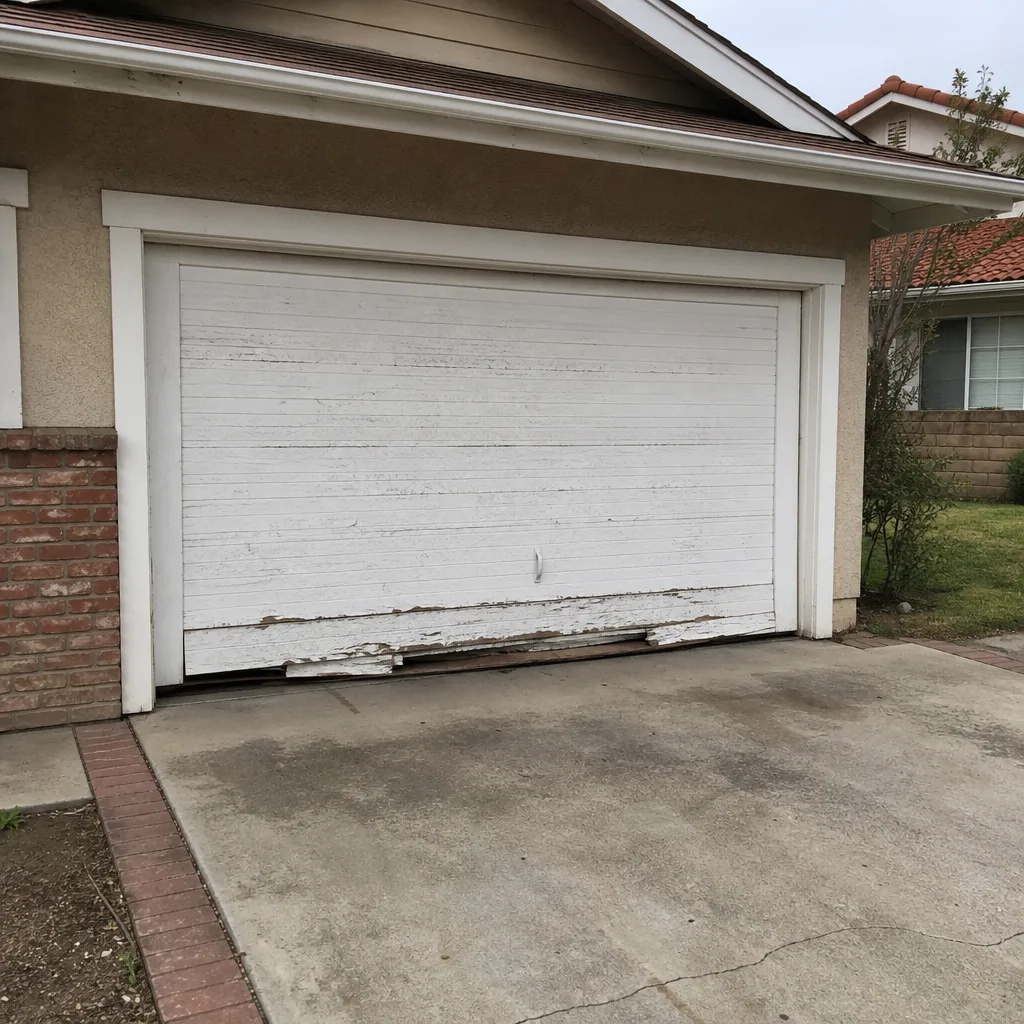 Before
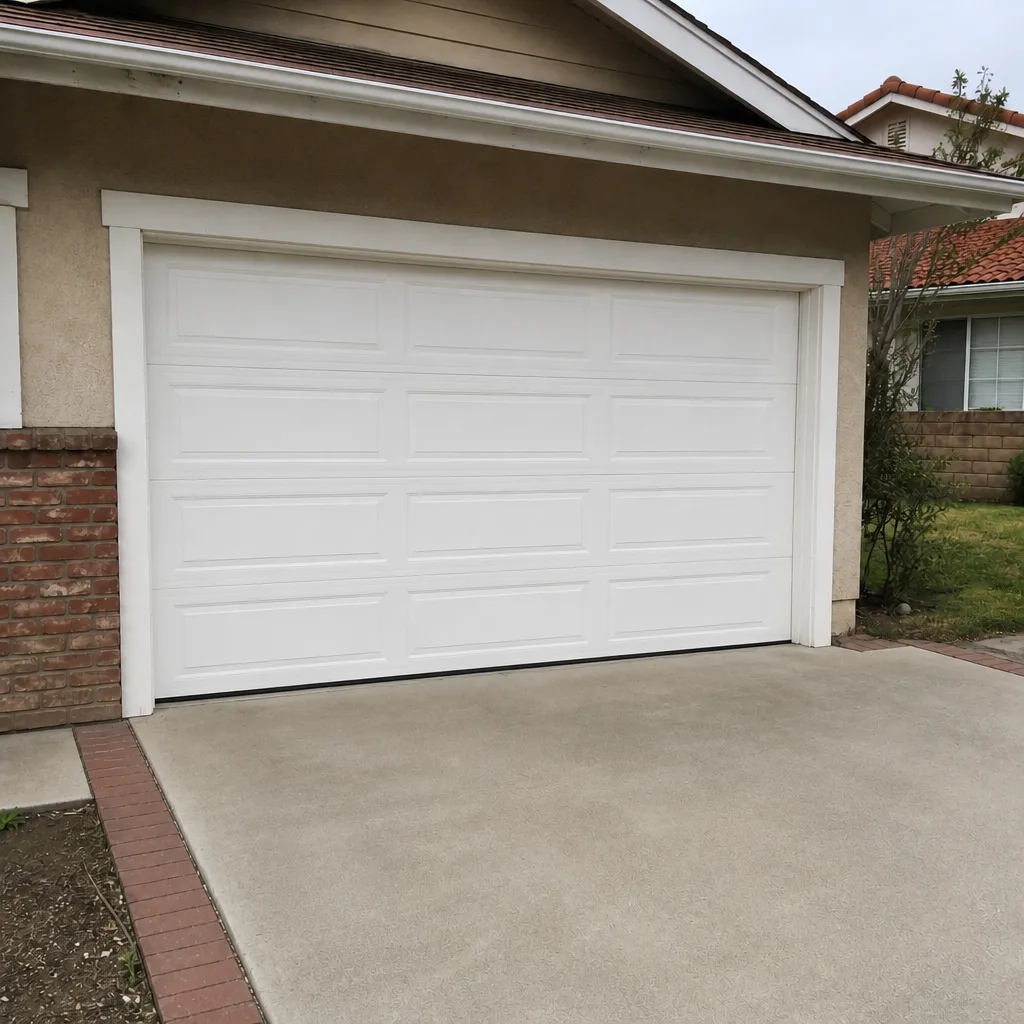 After
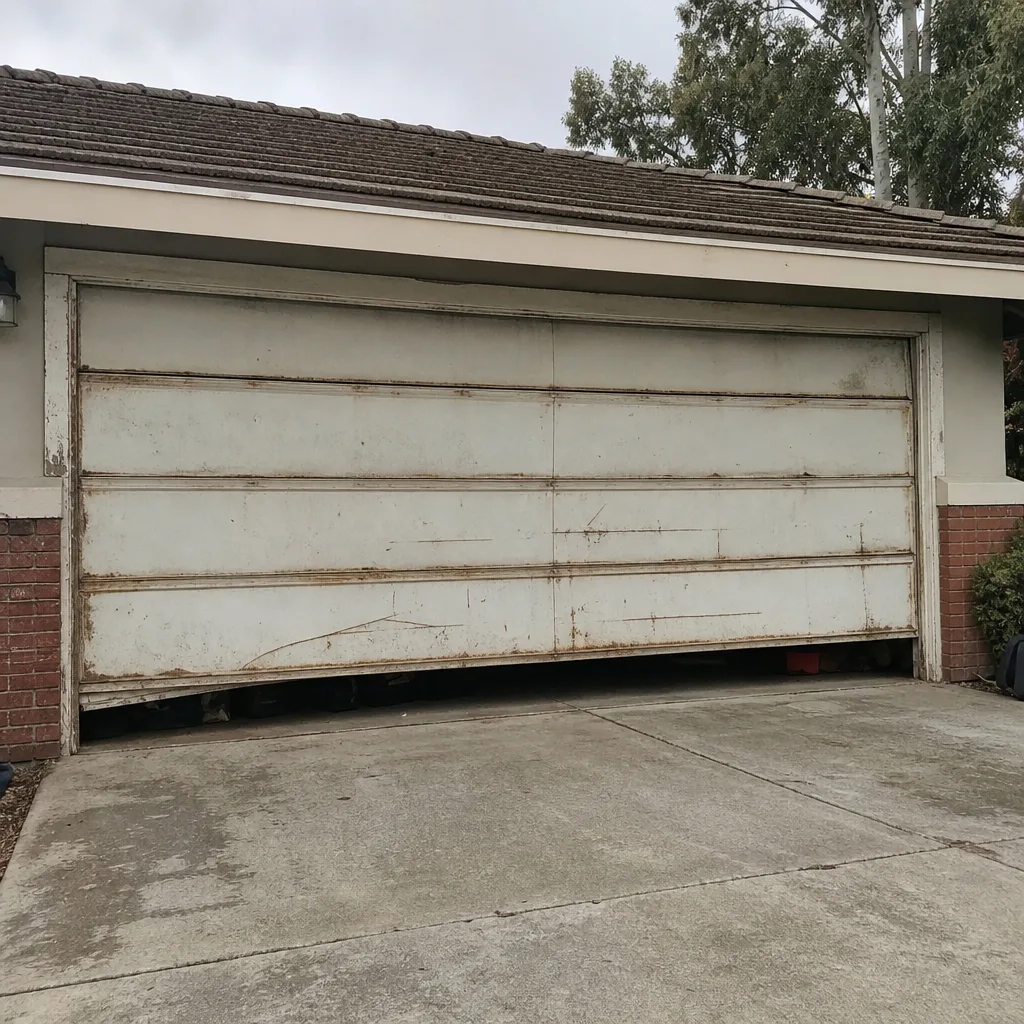 Before
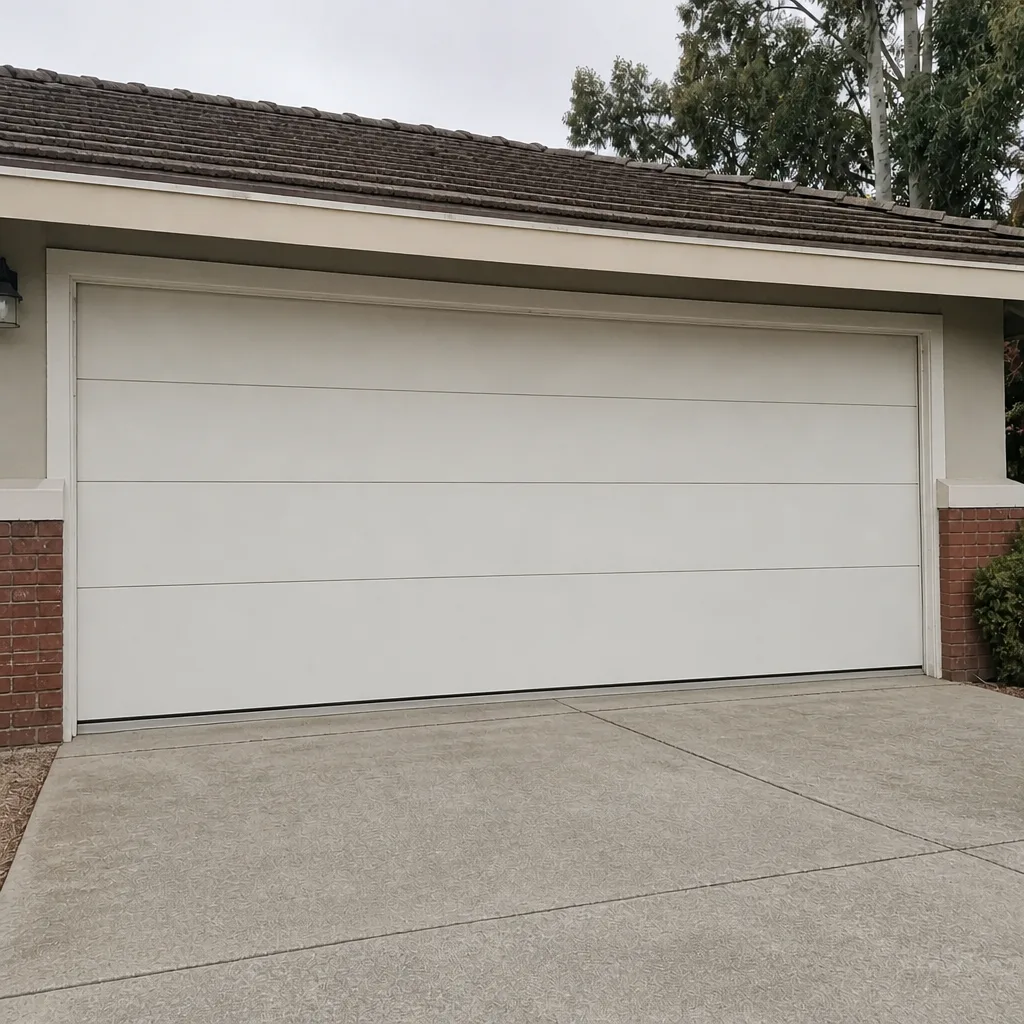 After
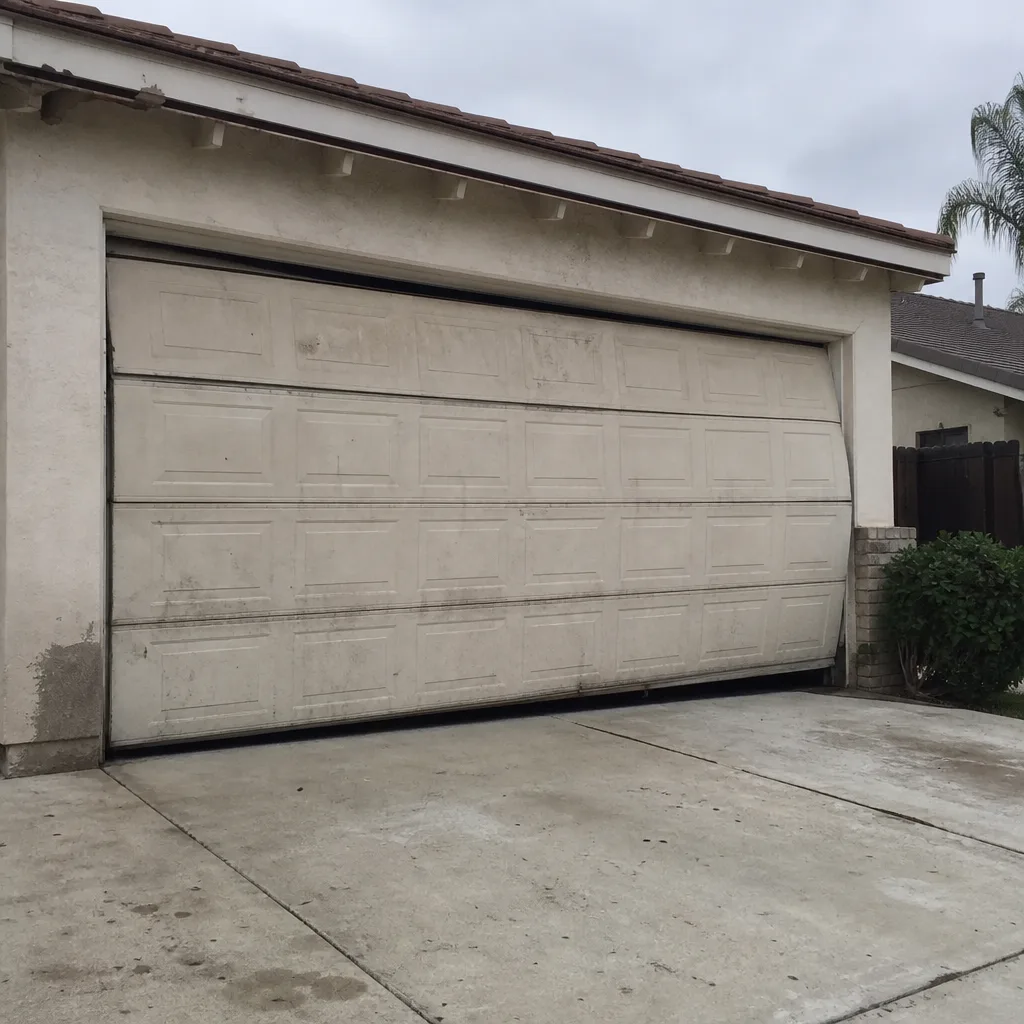 Before
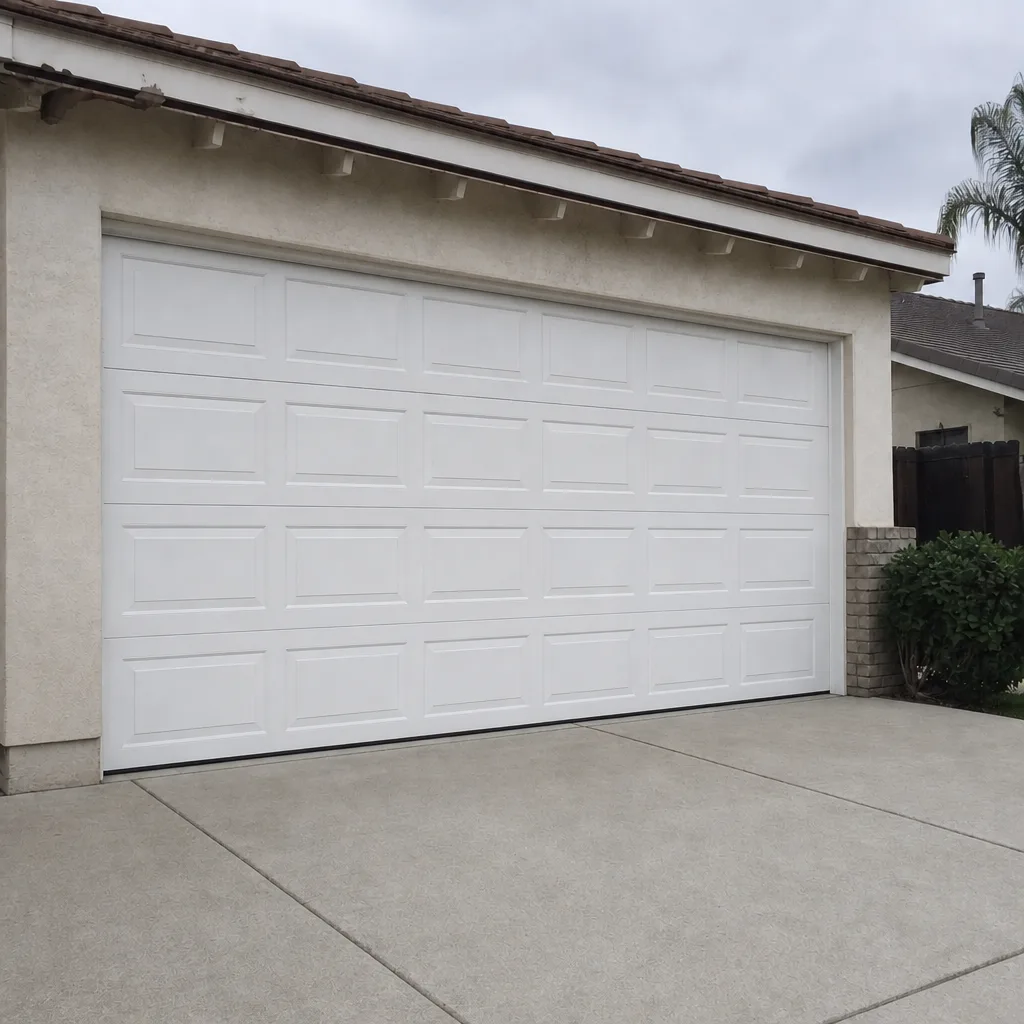 After
When to Call a Professional
Some garage door work is safely within a homeowner’s reach: replacing a bottom seal, tightening a loose hinge, cleaning the track. But the components that carry load – springs, cables, and the opener’s internal gear train – are not DIY territory. If you have a Level 1 sign (snapped spring, frayed cable, reversing door, crooked travel), stop using the door and call. If you have a Level 2 sign (hesitation, unusual noise, sluggish travel, visible roller wear), call to schedule within the week. And if you’ve run the manual-release test and the door won’t hold at waist height, the spring system needs professional attention. Sierra Garage Door Service offers free estimates in Yorba Linda and the surrounding area – call (866) 282-5613. We answer 24/7. Fast dispatch from 7am to 7pm, Sunday through Friday.
Frequently Asked Questions
The most common warning sign we hear about in Yorba Linda is a hesitation between pressing the button and the door starting to move. That pause usually means the torsion spring is weakening, and it’s an early signal that the spring is approaching the end of its cycle life. If you notice it, call (866) 282-5613 for a free estimate – we can run the balance test and tell you exactly where the door stands.
You can, but you shouldn’t keep using it for long. Grinding means metal-on-metal friction somewhere – either a bearing in a roller or end plate, or the drive gear inside the opener. Every additional cycle adds wear and makes the eventual repair larger. Schedule a service visit within the week. Call (866) 282-5613. We answer 24/7. Fast dispatch from 7am to 7pm, Sunday through Friday.
Disconnect the door using the red emergency release cord, then lift the door manually to waist height and let go. If the door stays in place and moves smoothly by hand, the problem is in the opener. If the door is heavy, drifts, or binds, the problem is in the door’s balance or hardware. If you’re not sure how to run that test, call us and we’ll walk you through it over the phone.
Yorba Linda’s dry heat and Santa Ana winds create three specific patterns: UV-bleached panel stress fractures on sun-exposed doors, bottom seal shrinkage gaps from heat, and dust-packed roller bearings after windy stretches. These are all identifiable with a floor-level visual inspection, and none of them require climbing a ladder or touching any tensioned hardware. If you notice any of them, call (866) 282-5613 for a free estimate.
A 90-second visual check once a month is enough for most homeowners. Stand back and look at alignment, check the cables for fraying, look at the rollers for flat spots, and note any new sounds during operation. If you do that consistently, you’ll catch most mechanical problems before they become failures. The annual professional service visit is where the deeper stuff gets addressed.
Stop using the door immediately and call a professional. A snapped spring means the door is no longer balanced, and the remaining spring (if there is one) is now carrying double the load. Do not try to open the door manually or with the opener. The repair requires winding a new spring under tension, which is not a DIY job. Call (866) 282-5613. We answer 24/7. Fast dispatch from 7am to 7pm, Sunday through Friday.
The Bottom Line
A garage door tells you when it’s in trouble. The problem is that most of us don’t speak the language, so we miss the early warnings and inherit the consequences: a snapped spring on the morning we’re already late, or an opener that dies the one week we can’t spare a day for a repair. This guide gives you the basics – how to triage urgency, what specific sounds mean, how to visually inspect safely, and how to tell an opener problem from a door problem. Most importantly, it gives you permission to act on what you notice. The hesitation, the new grind, the frayed cable – none of these are normal, and all of them are fixable at a fraction of the cost and inconvenience if you catch them early. If something on your door feels off, call Sierra Garage Door Service at (866) 282-5613. We answer 24/7. Fast dispatch from 7am to 7pm, Sunday through Friday. Free estimates, and the price is set by the written estimate before any work starts.
Written by the team at Sierra Garage Door Service, serving Yorba Linda since 2014.